Medieval Booker

Medieval destinations in Europe

Cities with the walls still up, the festivals held inside them, and when to go. 45 cities in 21 countries.

Austria

1 city

Friesach

Austria

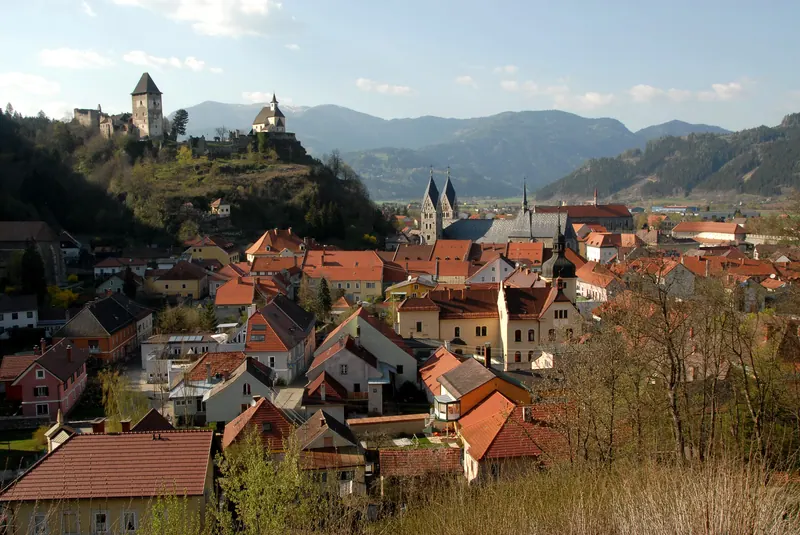
Carinthia's oldest town, a medieval stronghold of the Archbishops of Salzburg with a water-filled moat, town walls, three castle ruins and the mint that produced the Friesacher Pfennig in the 12th and 13th centuries.

1 festival · no articles yet
Belgium

2 cities

Bruges

Belgium

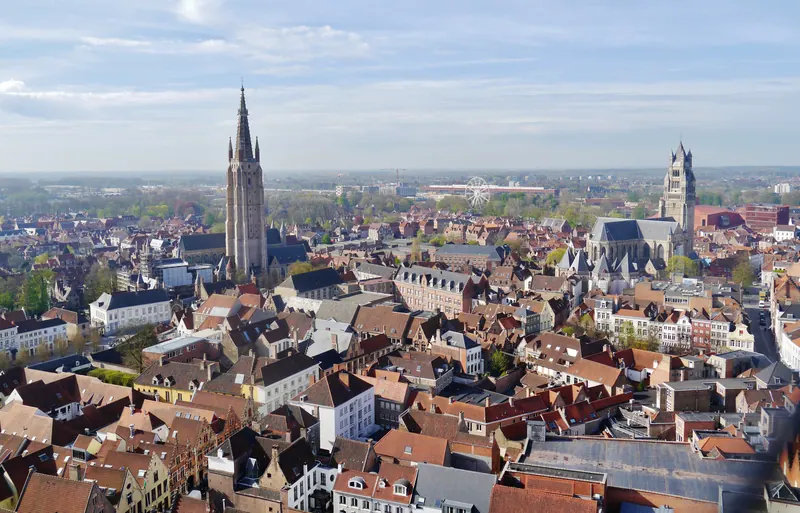
For roughly two centuries Bruges was the commercial capital of north-west Europe: English wool arrived here, left as Flemish cloth, and the Burgundian dukes kept their court in the middle of it. The sea channel that made the town rich silted up, the money moved to Antwerp, and Bruges became too poor to rebuild itself — which is the real reason so much of it is still standing.

1 festival · no articles yet

Brussels

Belgium

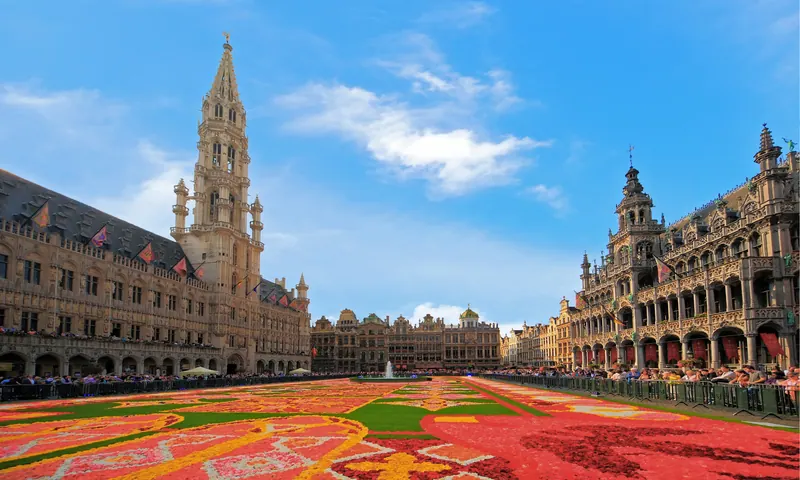
Capital of Belgium and medieval seat of the Dukes of Brabant, whose Grand-Place keeps its 15th-century Gothic town hall among guild houses rebuilt after the French bombardment of 1695. The Sablon quarter, with the crossbowmen's church of Our Lady, is where the Ommegang pageant has set out since 1348.

1 festival · no articles yet

Croatia

2 cities

Rab

Croatia

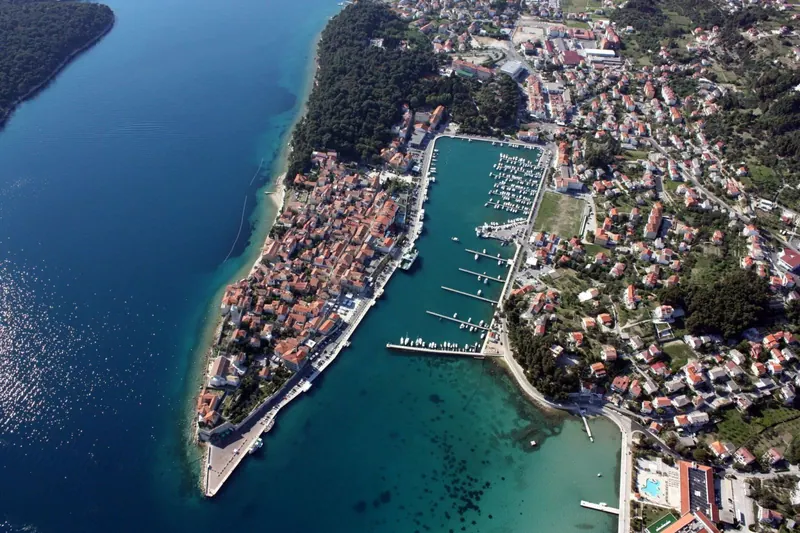
Walled old town on the island of Rab in Croatia's Kvarner bay, known for its four bell towers in a row and a 12th-century cathedral; its 1364 vow of thanks to King Louis I is the origin of the Rapska fjera re-enacted every July.

1 festival · no articles yet

Šibenik

Croatia

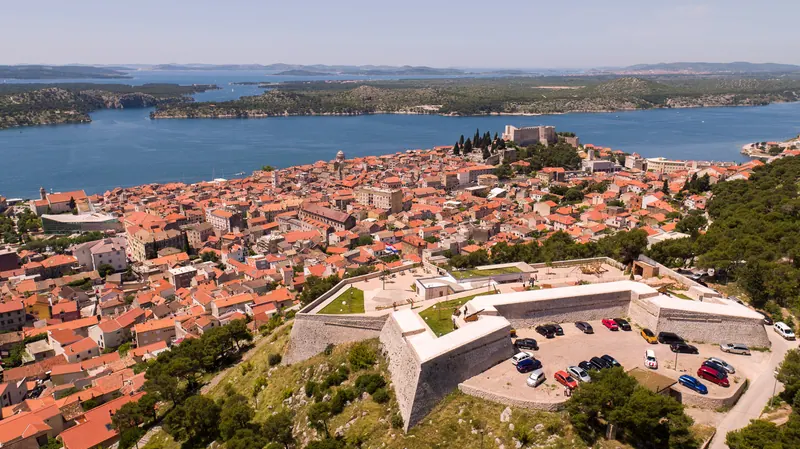
Dalmatian port first recorded in 1066 under the Croatian king Petar Krešimir IV, the oldest native Croatian town on the Adriatic. Its stone old town climbs from the waterfront past the UNESCO-listed Cathedral of St James (1431–1536) to St Michael's Fortress, and St Nicholas Fortress guards the channel to the sea.

1 festival · no articles yet

Czechia

2 cities

Kutná Hora

Czechia

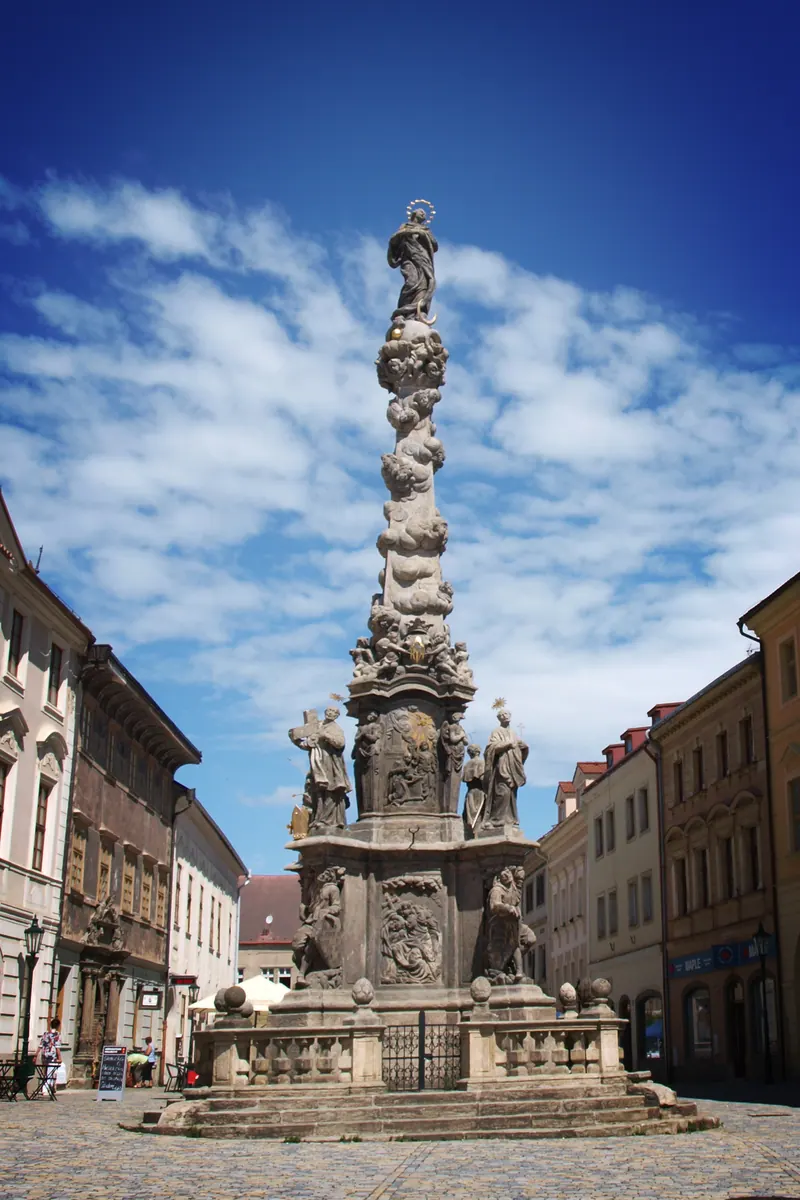
Former royal silver-mining town 70 km east of Prague, the second city of medieval Bohemia and home of the Prague groschen. St Barbara's Cathedral, the Italian Court mint and the Sedlec ossuary make up its UNESCO-listed heritage.

1 festival · no articles yet

Prague

Czechia

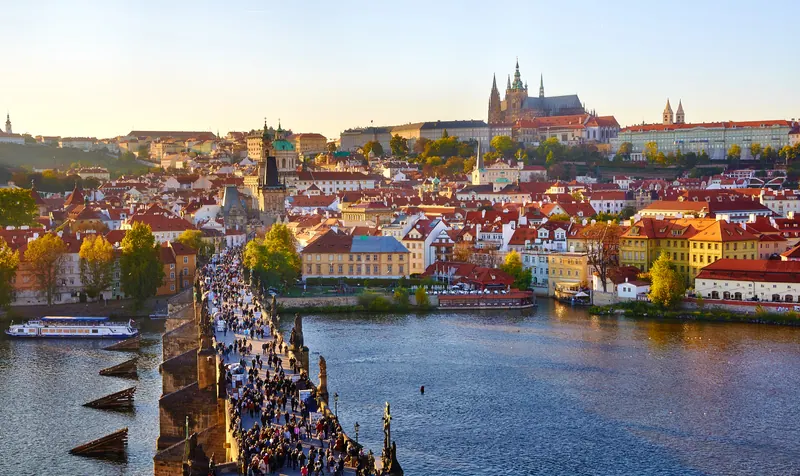
Capital of Czechia and, under Charles IV in the 14th century, of the Holy Roman Empire. Its castle, Charles Bridge, Old Town and planned New Town survive as one of Europe's largest intact medieval cityscapes, UNESCO-listed since 1992.

1 festival · 1 article

Denmark

2 cities

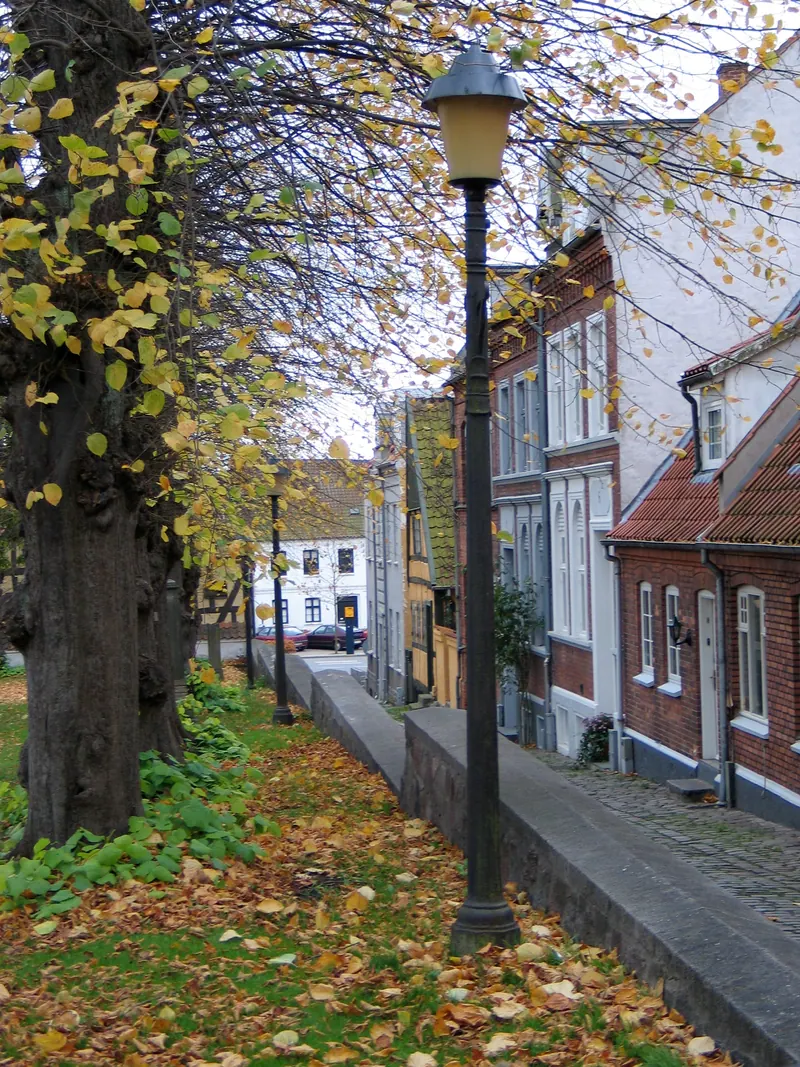
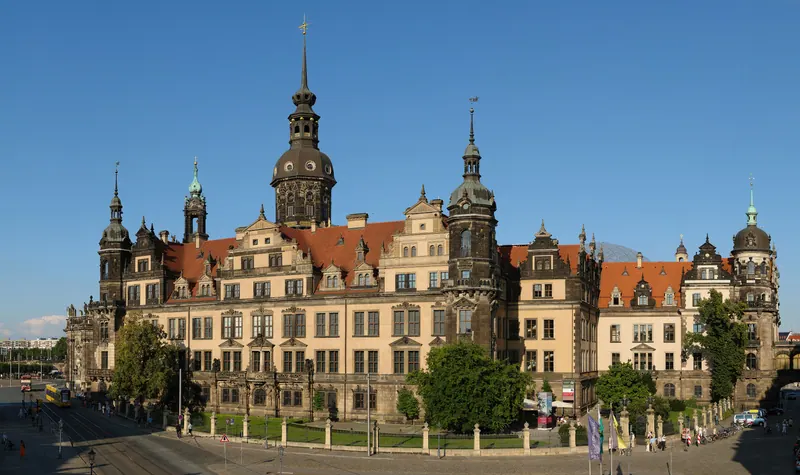
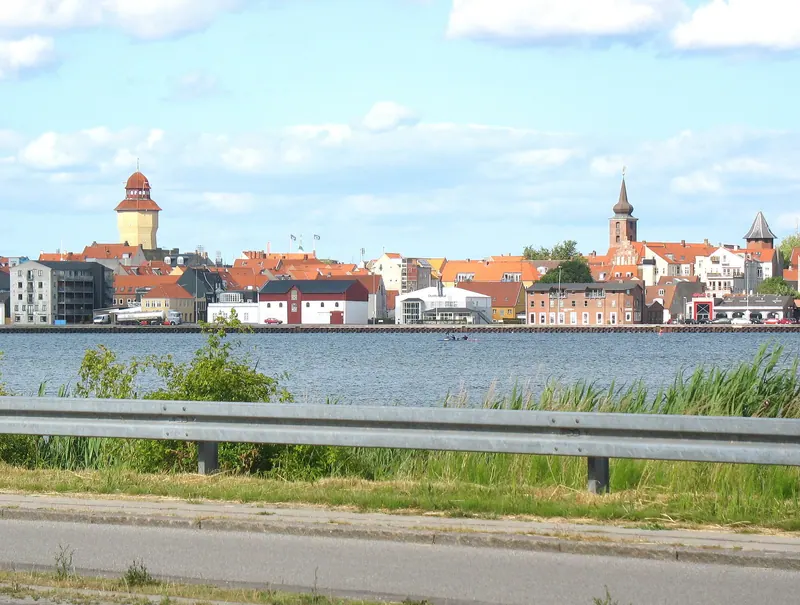
Market town on the island of Falster in south-east Denmark that grew up around a medieval royal castle on the Guldborgsund. Across the sound at Sundby, the Middelaldercentret open-air museum recreates a Danish town of around the year 1400.

1 festival · no articles yet

England

5 cities

Battle

England

Small East Sussex town that grew up around Battle Abbey, founded by William the Conqueror on the site of the 1066 Battle of Hastings. The abbey ruins, gatehouse and battlefield are run by English Heritage.

1 festival · no articles yet

Nutley

England

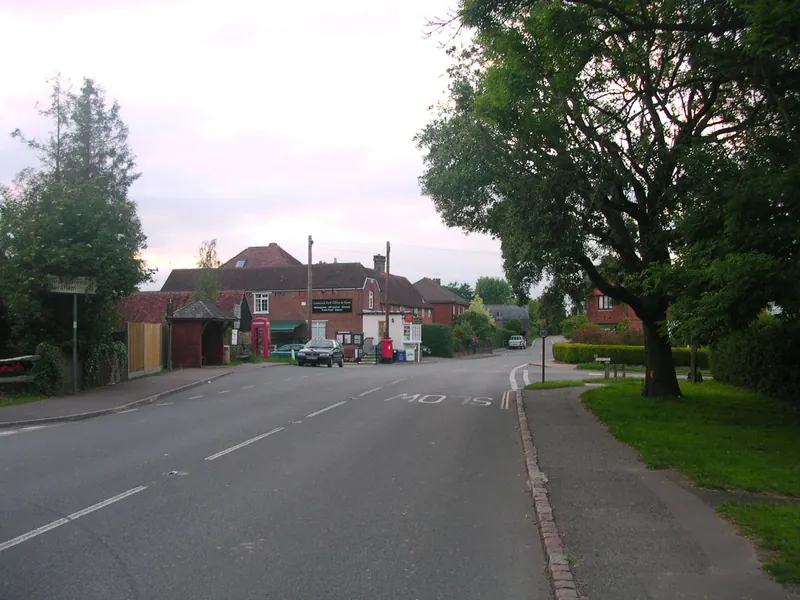
Village on the edge of the Ashdown Forest in East Sussex; the neighbouring Pippingford Park estate is the current home of England's Medieval Festival.

1 festival · no articles yet

Tewkesbury

England

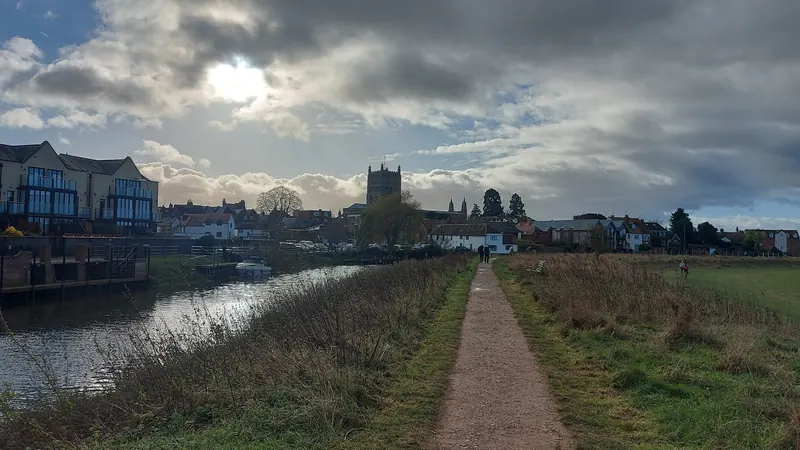
Small Gloucestershire market town at the meeting of the Severn and Avon, with a Norman abbey and the 1471 Wars of the Roses battlefield on its southern edge.

1 festival · 1 article

York

England

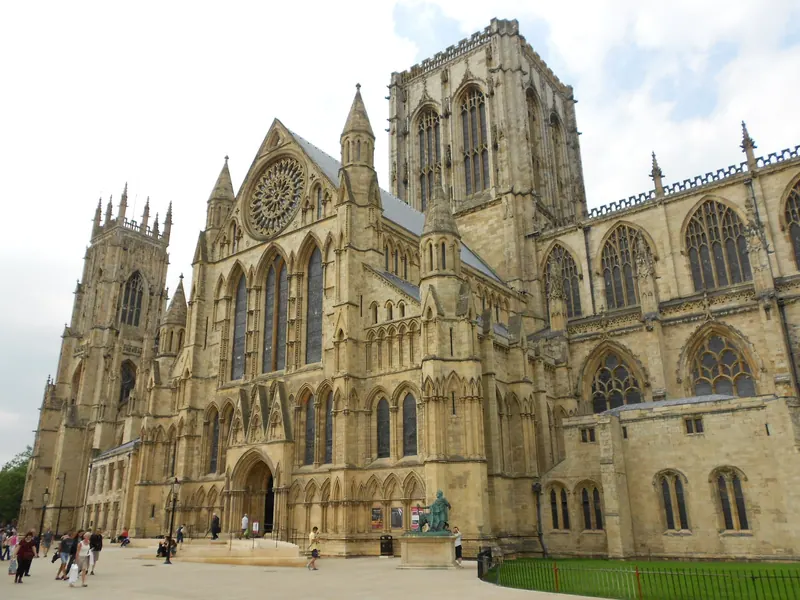
Northern England's medieval capital and the Viking city of Jorvik, ringed by 3.4 km of walls with four great gates, crowned by the largest Gothic cathedral in northern Europe and home to the Shambles and the JORVIK Viking Centre.

1 festival · 1 article

Estonia

1 city

Tallinn

Estonia

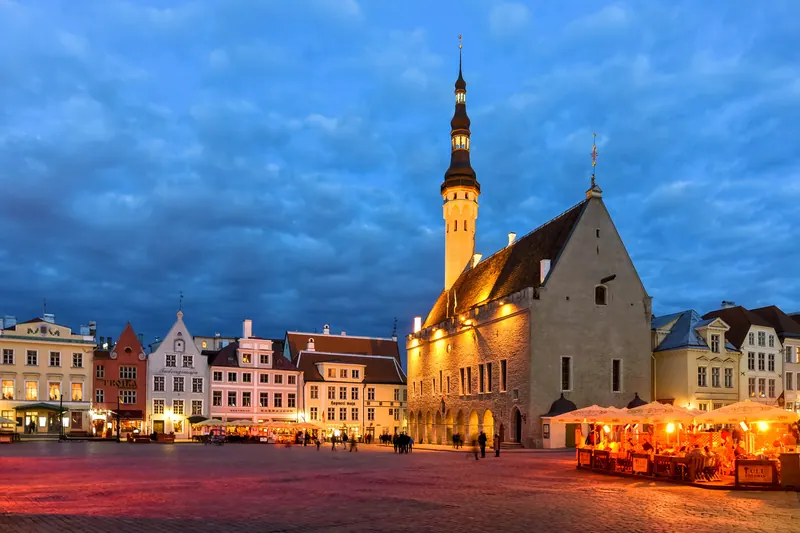
Estonia's capital on the Gulf of Finland, a Hanseatic port whose walled Old Town — the merchants' lower town and Toompea hill above it — is one of the most complete medieval townscapes in northern Europe and a UNESCO World Heritage Site since 1997.

1 festival · 1 article

Finland

1 city

France

6 cities

Avignon

France

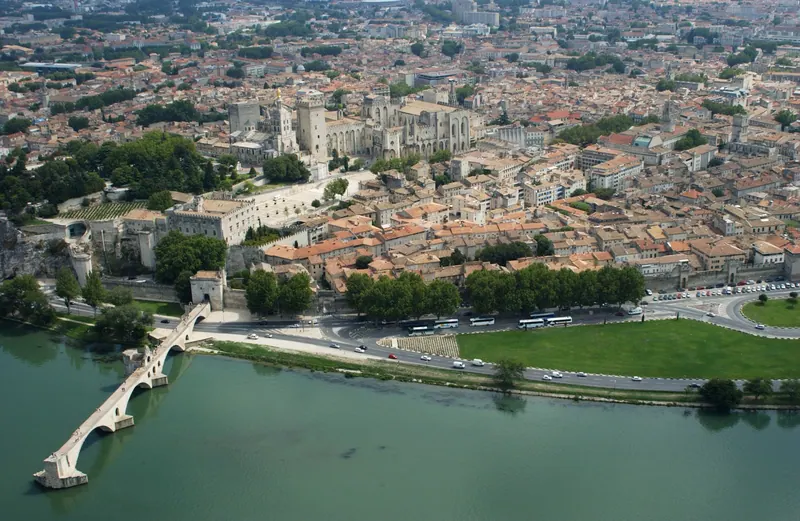
From 1309 to 1377 the popes ruled the Latin Church from Avignon, not Rome, and from 1378 the city held one of the two rival popes of the Great Schism. The Palais des Papes they built is the largest Gothic palace in Europe, and the 4.3 km of wall the popes threw around the town in 1355–70 still runs the whole way round it.

1 festival · no articles yet

Bayeux

France

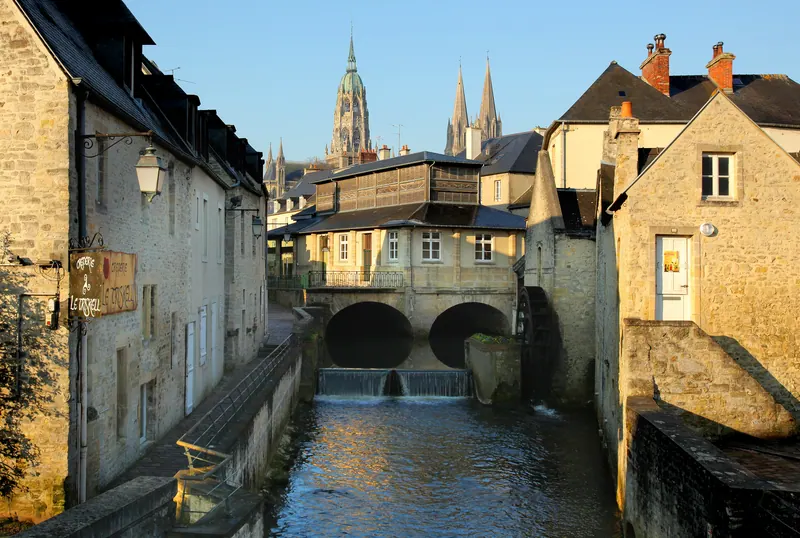
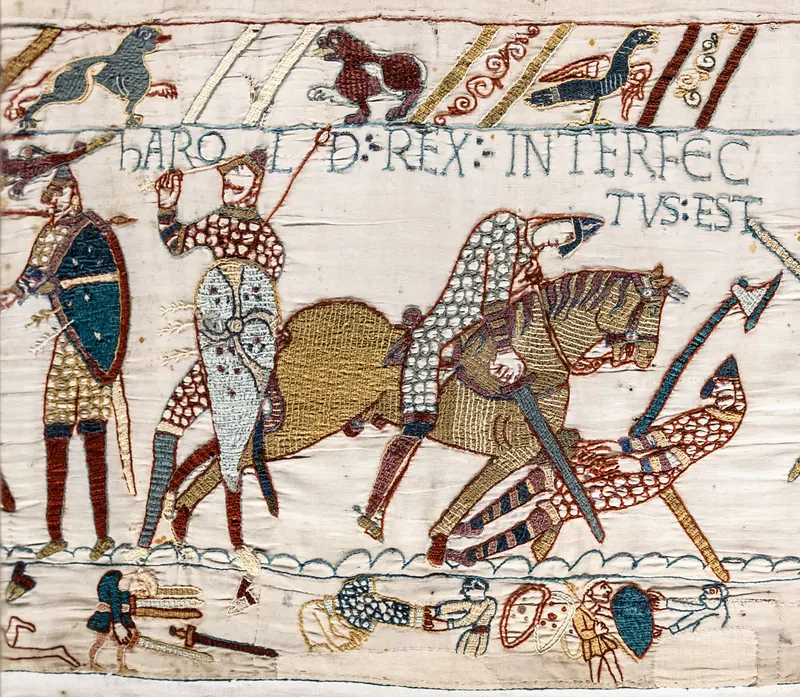
Normandy town known for the 11th-century Bayeux Tapestry and its Norman-Gothic cathedral, consecrated in 1077. It was the first French town liberated in June 1944 and kept its medieval centre intact.

1 festival · no articles yet

Carcassonne

France

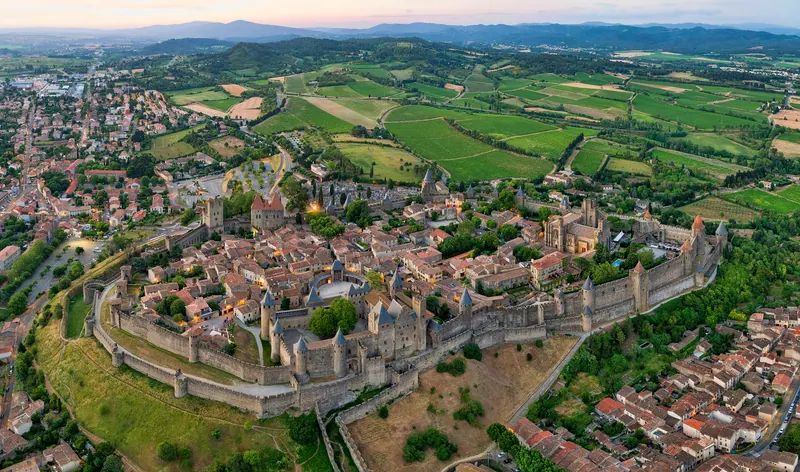
Town in the Aude in south-west France whose hilltop Cité is Europe's largest surviving double-walled fortified town: about 3 km of ramparts, 52 towers, a castle and a basilica, restored by Viollet-le-Duc and UNESCO-listed since 1997.

1 festival · 1 article

Dinan

France

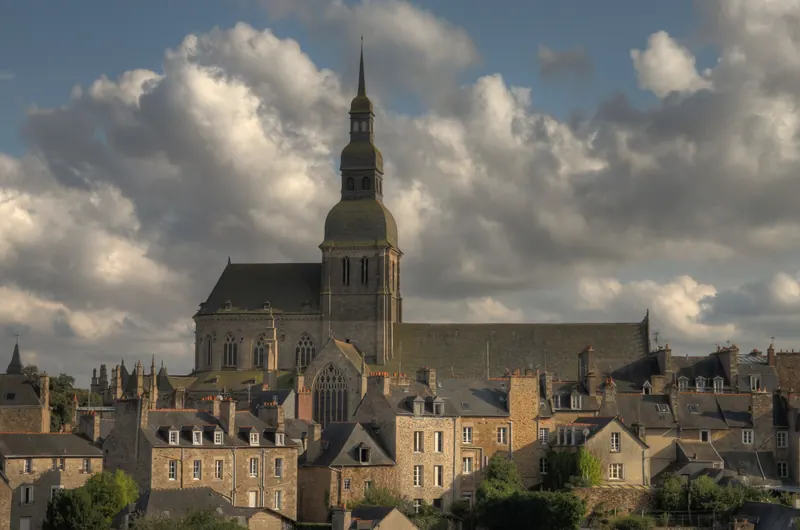
Walled Breton town above the Rance estuary with nearly 3 km of ramparts, a 14th-century castle keep and half-timbered streets, 30 km south of Saint-Malo.

1 festival · no articles yet

Provins

France

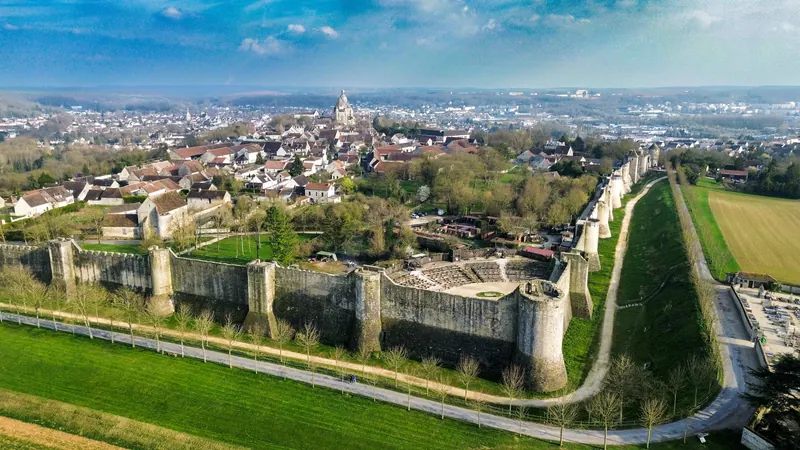
UNESCO-listed 'Town of Medieval Fairs' 90 km south-east of Paris, with ramparts, the 12th-century Tour César and merchants' cellars surviving from the great Champagne fairs.

1 festival · no articles yet

Treigny

France

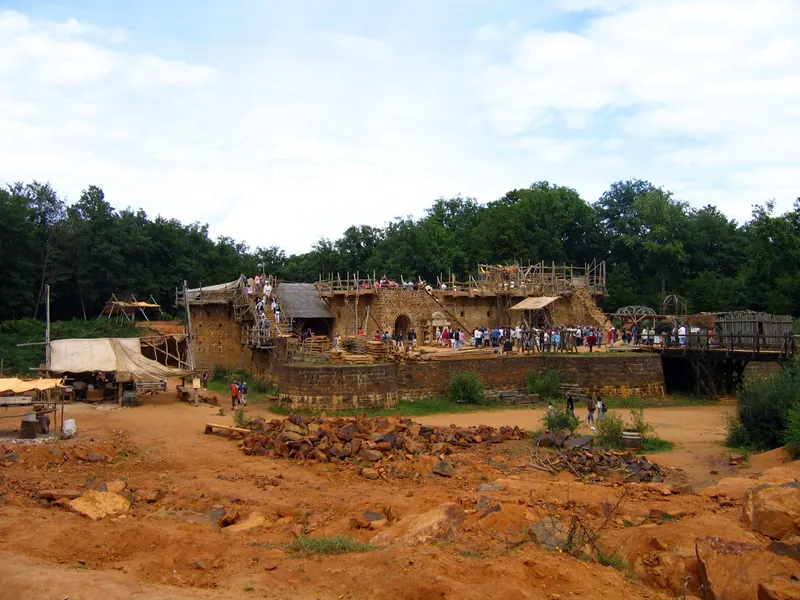
Village in the Puisaye, a wooded corner of Burgundy in the Yonne known for its potters, and the nearest village to Guédelon, where a 13th-century castle has been under construction with medieval tools and methods since 1997.

1 festival · no articles yet

Germany

5 cities

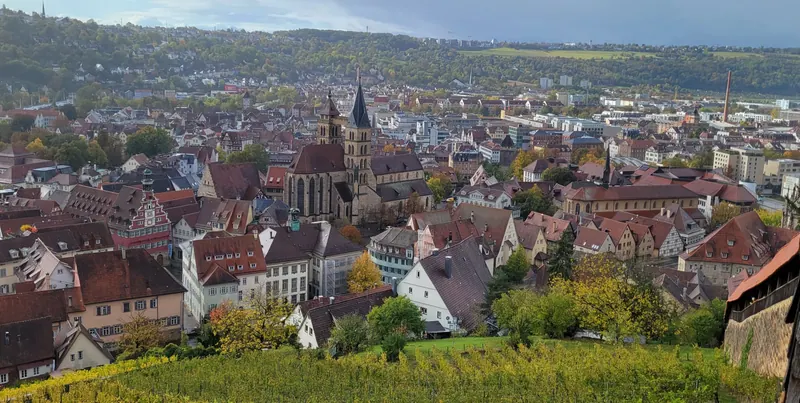
Former free imperial city on the Neckar just east of Stuttgart, with one of Germany's best-preserved half-timbered old towns, a hilltop castle wall and the oldest row of half-timbered houses in the country.

1 festival · no articles yet

Kaltenberg

Germany

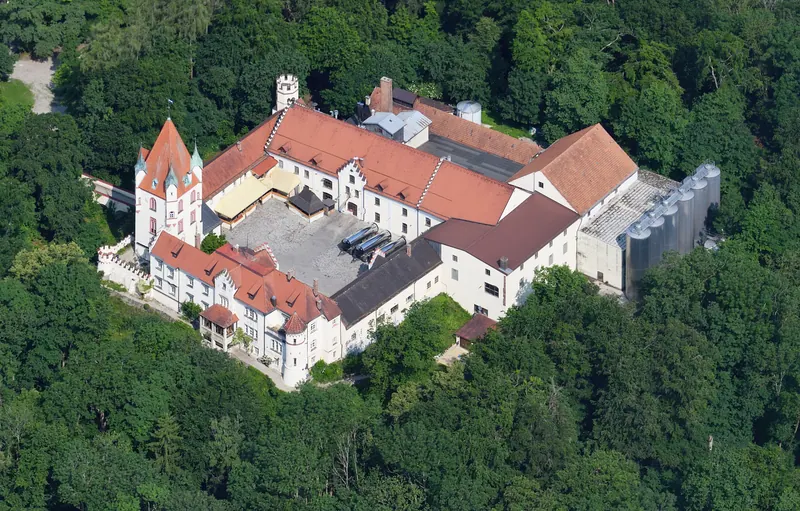
Village in the municipality of Geltendorf, about 50 km west of Munich, home to Schloss Kaltenberg, its brewery and the arena of the Kaltenberg Knights' Tournament.

1 festival · no articles yet

Landshut

Germany

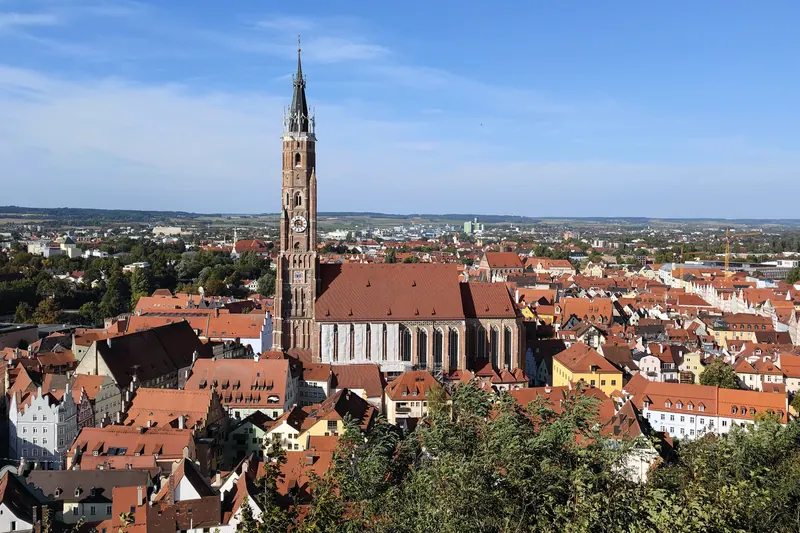
Former ducal capital of Bavaria-Landshut on the Isar, with a Gothic old town, Trausnitz Castle and the 130 m brick tower of St Martin's church.

1 festival · 1 article

Nuremberg

Germany

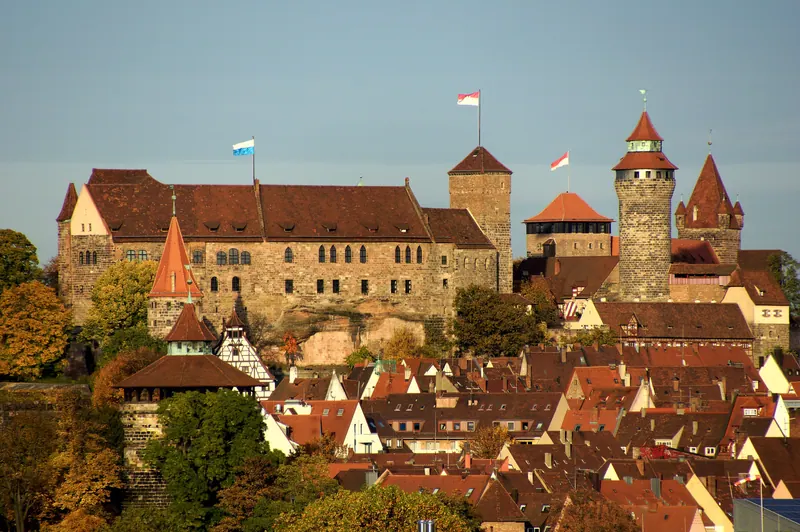
An imperial free city and the workshop of late-medieval Germany: the Golden Bull of 1356 made Nuremberg the place where every newly elected king had to hold his first imperial diet, and the imperial regalia were kept here from 1424 to 1796. About ninety per cent of the old town was destroyed in a single raid on 2 January 1945 and rebuilt on the medieval street plan, so most of what you walk past is careful post-war reconstruction around a hard core of genuine survivals.

1 festival · no articles yet

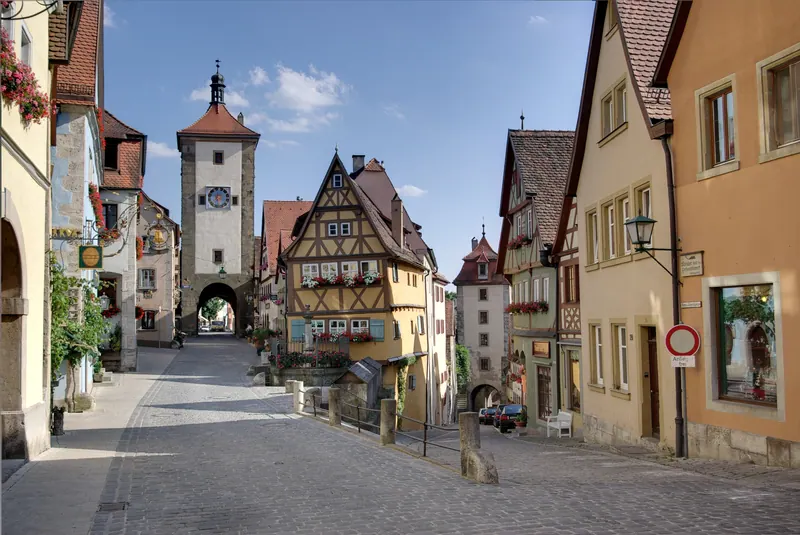
Walled Franconian town above the Tauber valley, a free imperial city from 1274 and one of the most complete medieval townscapes in Germany. Its Whitsun festival re-enacts the legendary 'Master Draught' of 1631.

1 festival · 1 article

Hungary

1 city

Visegrád

Hungary

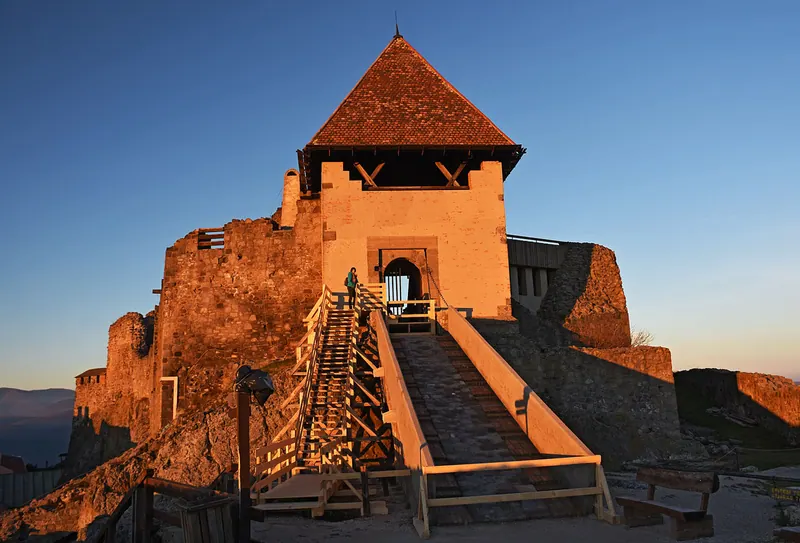
Small town on the Danube Bend north of Budapest with a 13th-century citadel, the Solomon Tower and the excavated Royal Palace of Hungary's Angevin and Matthias-era kings. In 1335 it hosted the congress of the kings of Hungary, Poland and Bohemia.

1 festival · no articles yet

Italy

1 city

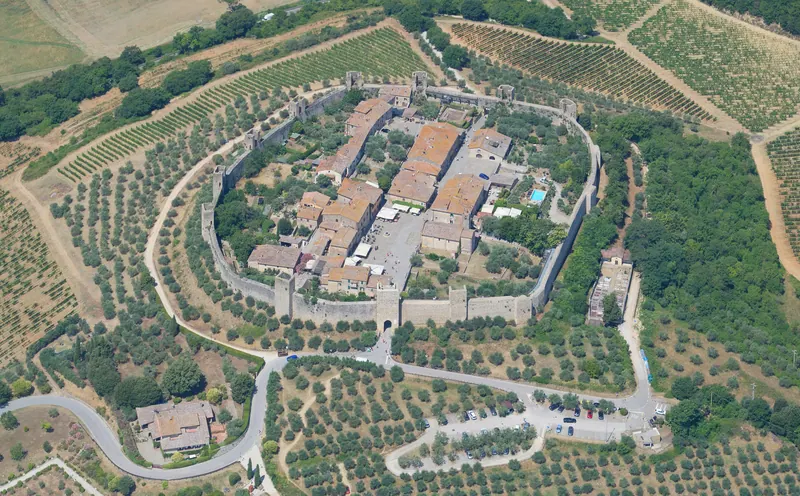
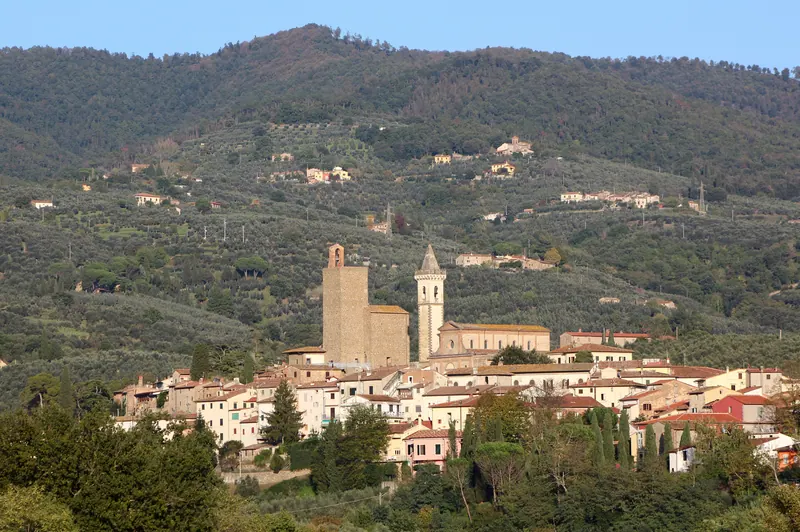
Tiny walled village on a hill between Siena and Florence, built by Siena in 1213–1219 as a frontier fort and still ringed by its complete circuit of walls and towers. Dante compared its towers to giants in the Inferno.

1 festival · no articles yet

Latvia

1 city

Cēsis

Latvia

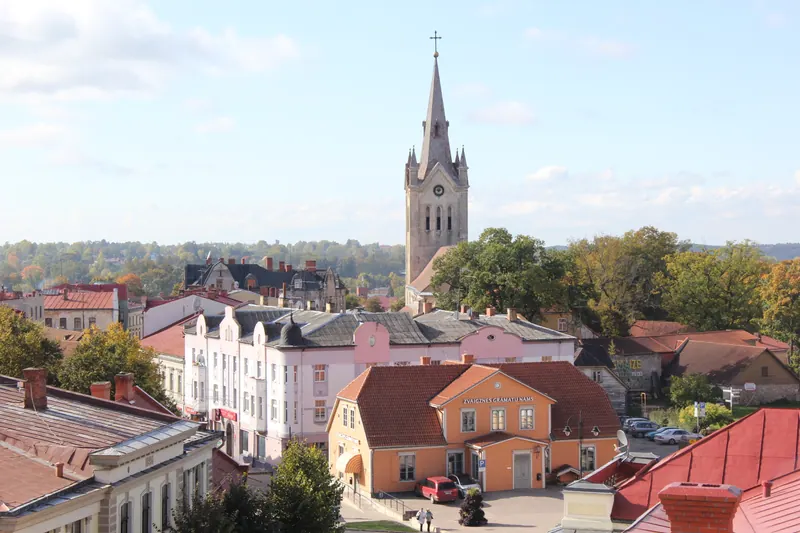
Vidzeme town first recorded in 1206 that grew around the Livonian Order's most powerful castle, now Latvia's best-preserved castle ruin, with a Hanseatic old town and the 13th-century St John's church.

1 festival · no articles yet

Lithuania

2 cities

Kernavė

Lithuania

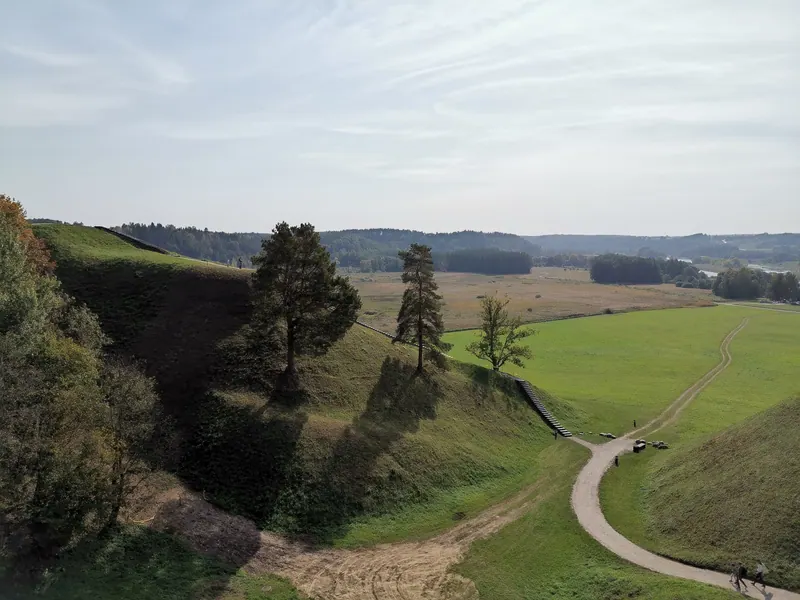
Village on the Neris river 35 km from Vilnius, built beside five hill-forts that were a capital of medieval Lithuania in the 13th and 14th centuries. The Kernavė Archaeological Site is a UNESCO World Heritage Site.

1 festival · no articles yet

Trakai

Lithuania

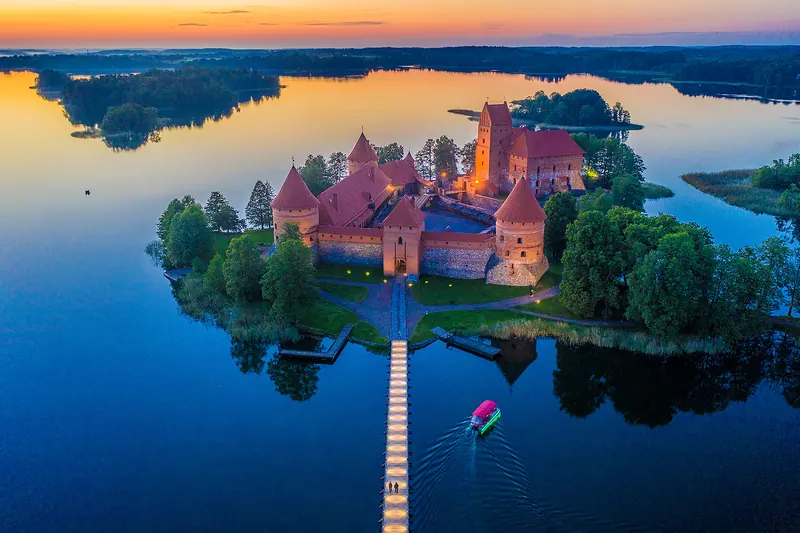
Lakeside town 28 km west of Vilnius, a medieval capital of the Grand Duchy of Lithuania, famous for the red-brick Island Castle completed by Grand Duke Vytautas around 1409 and for its Karaim community and their kibinai pastries.

1 festival · no articles yet
Malta

1 city

Mdina

Malta

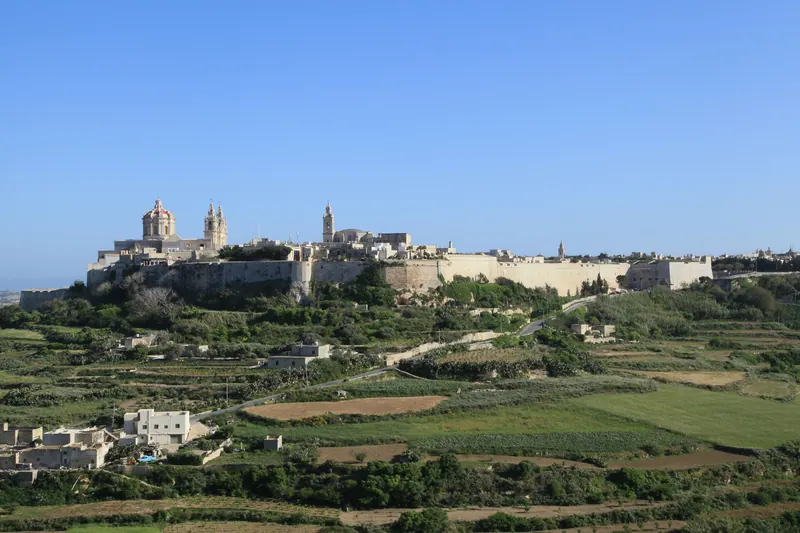
Malta's walled former capital, known as the Silent City, sits on a ridge in the centre of the island. Its narrow streets, palaces and bastions were the seat of the Maltese nobility through the Middle Ages until the Knights of St John moved the capital to Valletta.

1 festival · no articles yet

Poland

4 cities

Gdańsk

Poland

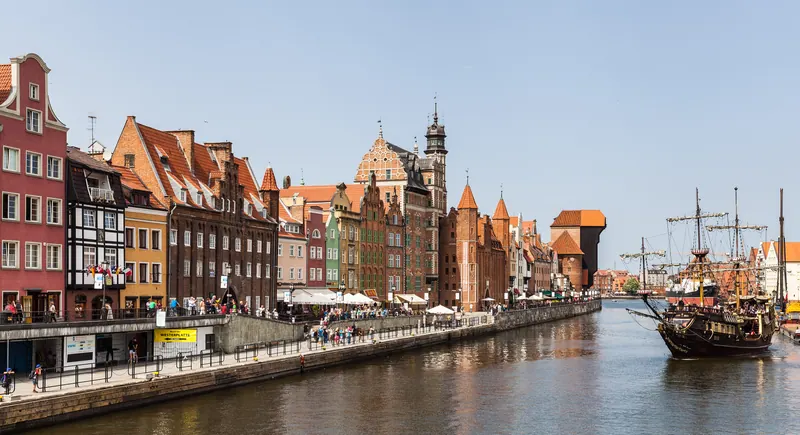
Baltic port at the mouth of the Vistula, a Hanseatic city under the Teutonic Knights and later the richest port of the Polish Crown. Its reconstructed Main Town holds St Mary's basilica, Artus Court and the 1444 port crane.

1 festival · 1 article

Grunwald

Poland

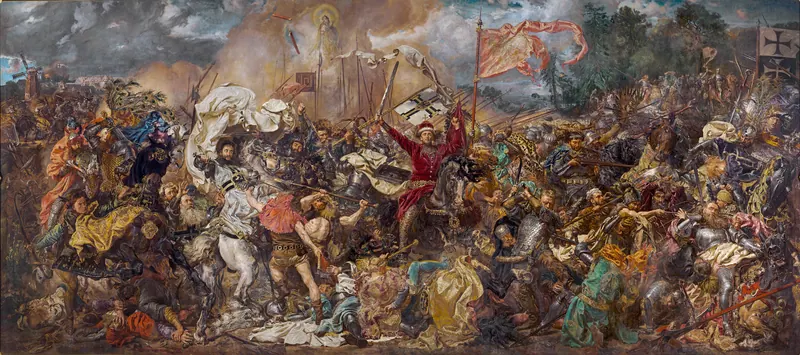
Rural commune in Warmia-Masuria where the Polish-Lithuanian army defeated the Teutonic Order on 15 July 1410; the battlefield near Stebark has a museum and hosts the annual re-enactment.

1 festival · 1 article

Kraków

Poland

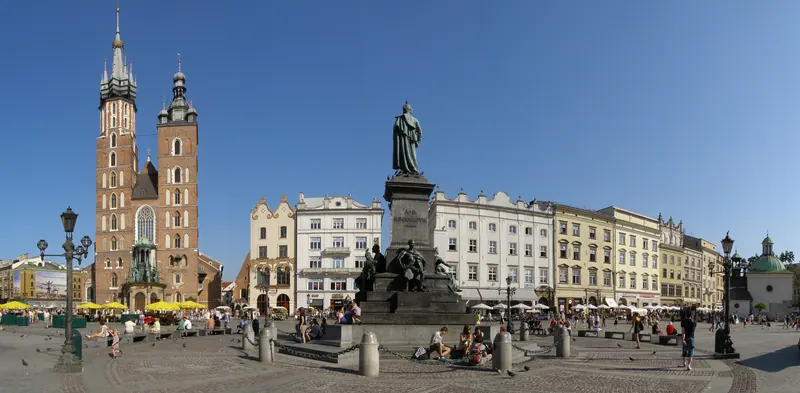
Kraków was the seat of the Polish monarchy for over five centuries: kings were crowned and buried in Wawel Cathedral from 1320, and the Old Town still follows the street grid set out by the location charter of 1257. It came through the Second World War without the systematic destruction that flattened Warsaw and Gdańsk, and was on the first UNESCO World Heritage list in 1978.

1 festival · no articles yet

Wolin

Poland

Small town on the island of Wolin near the Baltic coast, site of one of the largest early-medieval trading ports in the Baltic and identified with the legendary Jomsborg and Vineta of the sagas.

1 festival · no articles yet
Portugal

2 cities

Óbidos

Portugal

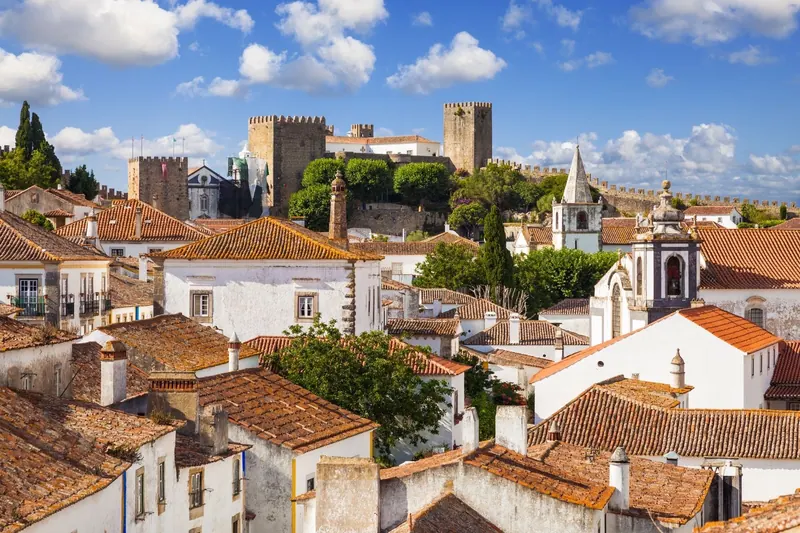
Walled hilltop town about 80 km north of Lisbon, once the property of Portugal's queens, with a walkable 13th–14th-century wall circuit, a castle-keep pousada and whitewashed lanes.

1 festival · 1 article

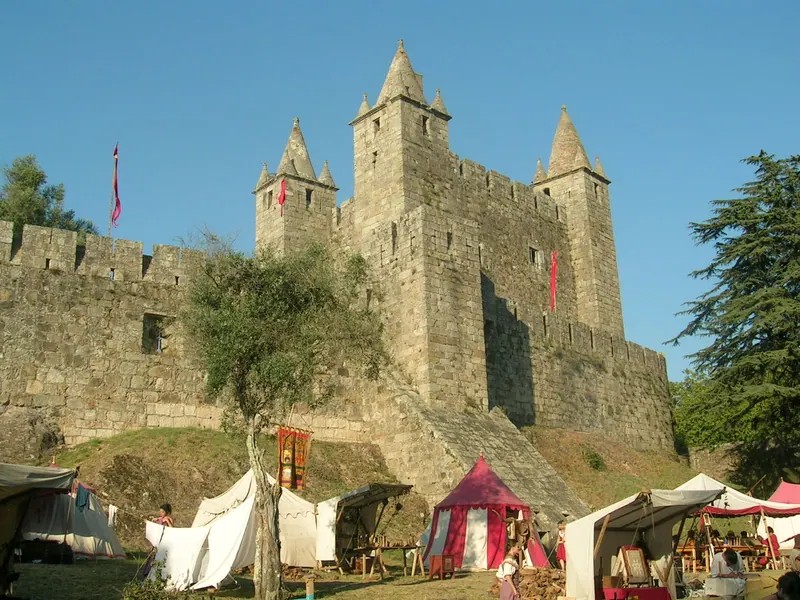
Town about 30 km south of Porto dominated by a restored 15th-century castle, the backdrop for Portugal's largest medieval recreation every summer.

1 festival · 1 article

Romania

1 city

Sighișoara

Romania

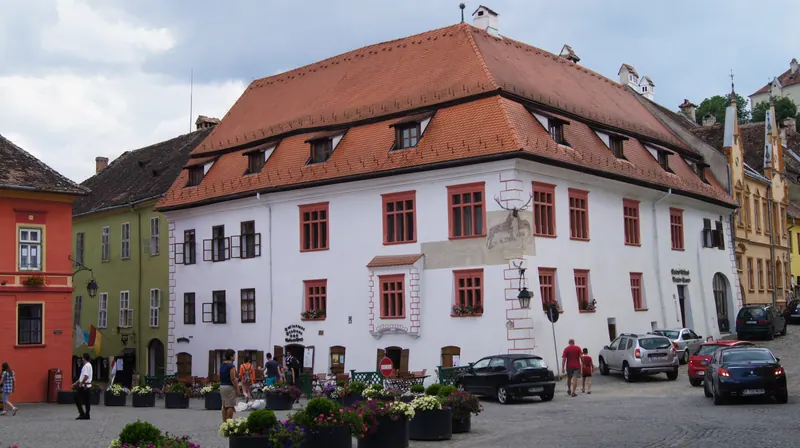
Saxon-founded citadel town in Transylvania, continuously inhabited since the 12th century and a UNESCO site since 1999, with nine surviving guild towers, the 64 m Clock Tower and the house where Vlad the Impaler is said to have been born.

1 festival · no articles yet
Scotland

1 city

Lerwick

Scotland

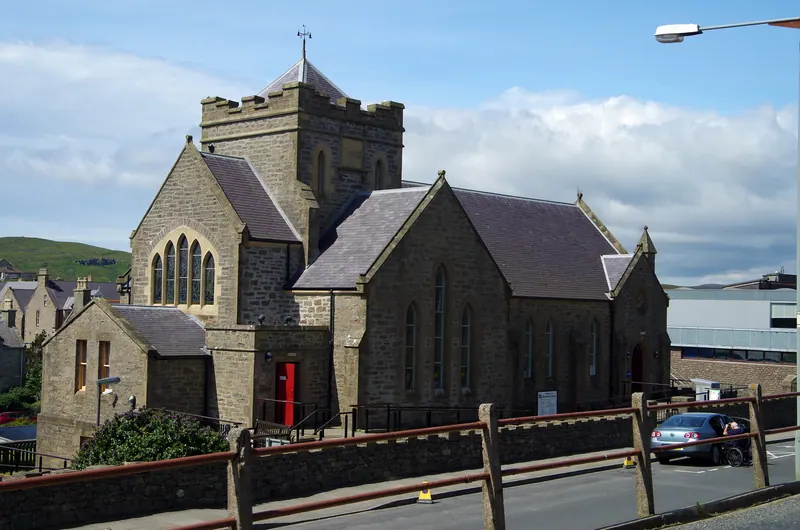
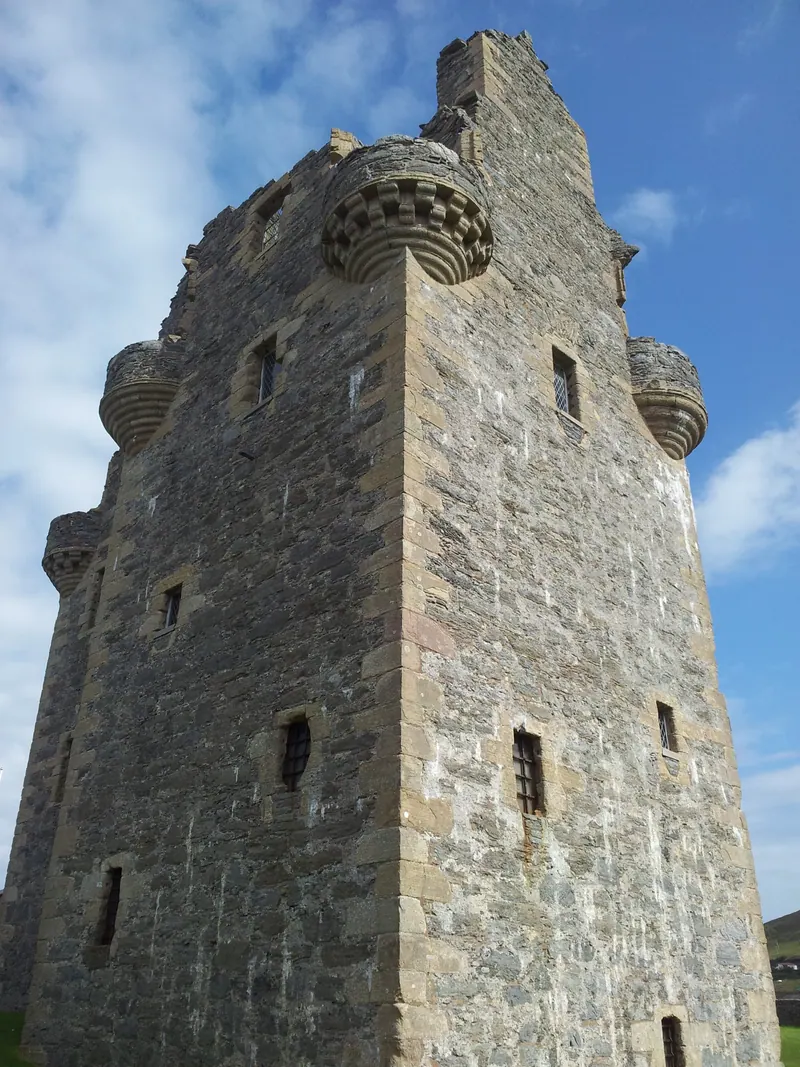
Shetland's capital and the most northerly town in the UK, a stone harbour town on Bressay Sound in islands that were Norse until 1469, and host of Europe's largest fire festival, Up Helly Aa, on the last Tuesday of January.

1 festival · no articles yet
Spain

3 cities

Ávila

Spain

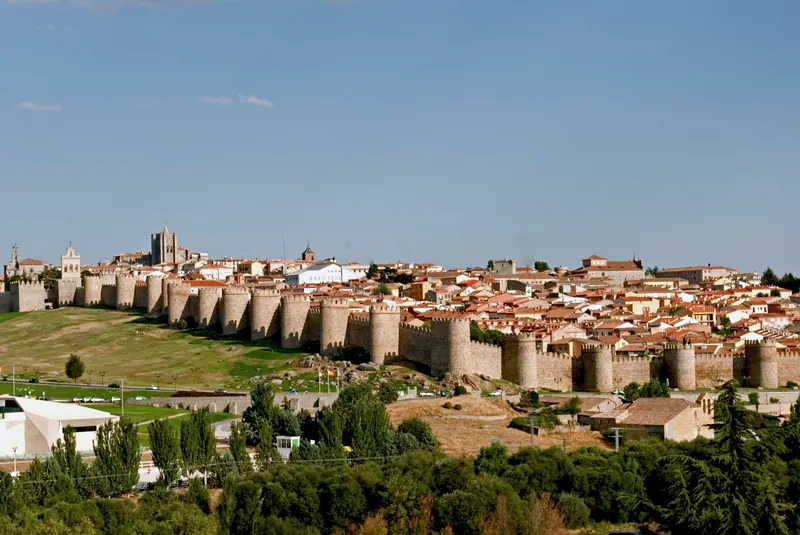
Castilian hill town at about 1,130 m with the most complete medieval city wall in Spain (2.5 km, 87 towers, nine gates), a fortress-cathedral built into the wall and the birthplace of Saint Teresa; a UNESCO World Heritage Site since 1985.

1 festival · no articles yet
Montblanc

Spain

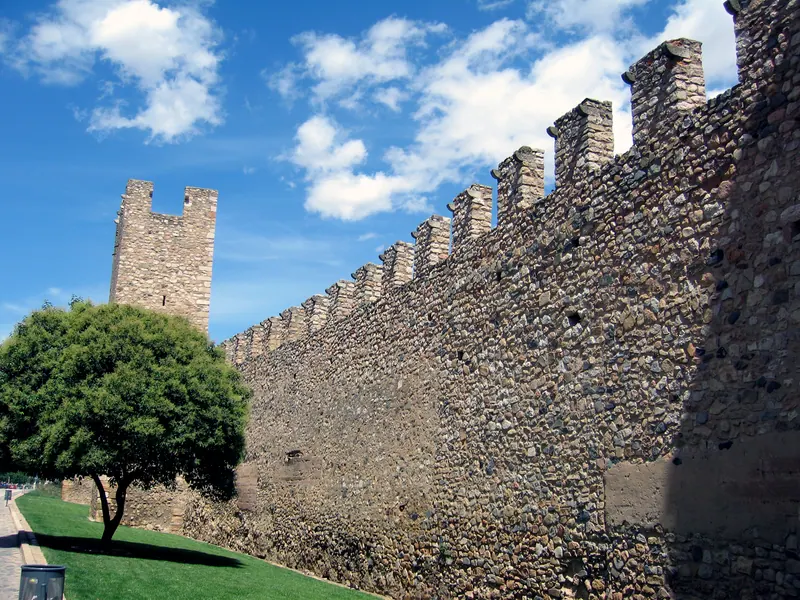
Walled medieval town in Tarragona province whose 14th-century ramparts and towers frame the Setmana Medieval; Catalan tradition places Saint George's fight with the dragon outside its walls.

1 festival · no articles yet
Toledo

Spain

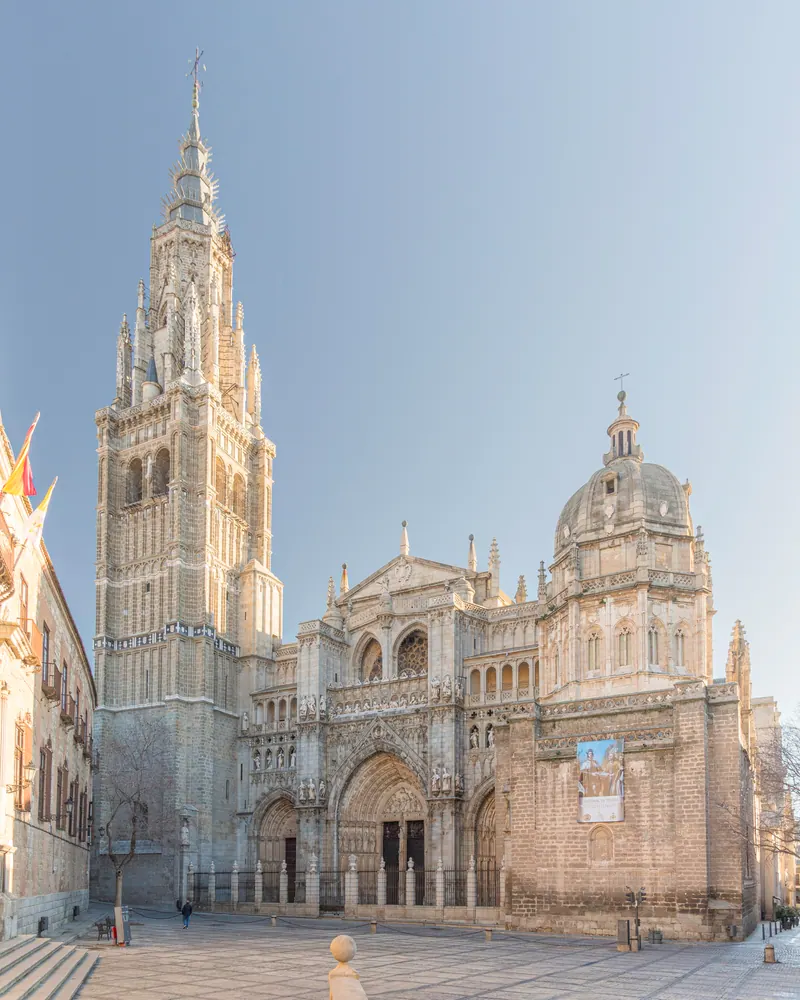
Toledo stands on a granite spur inside a loop of the Tagus, 70 km south of Madrid: a Visigothic capital, then the Muslim city of Ṭulayṭulah, then the seat of Castile after Alfonso VI took it in 1085. A 10th-century mosque, two medieval synagogues and a Gothic cathedral still stand within a few hundred metres of one another.

1 festival · no articles yet
Sweden

1 city

Visby

Sweden

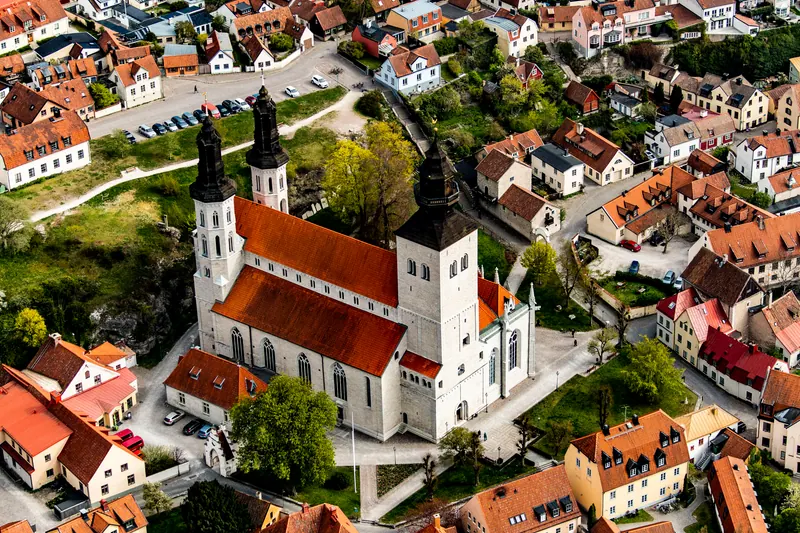
Walled Hanseatic port on the island of Gotland, a UNESCO World Heritage town with a 3.4 km ring wall, a dozen church ruins and the best-preserved medieval townscape in Scandinavia.
1 festival · 2 articles

Didn't find your city? Every festival we list is in the festival index.