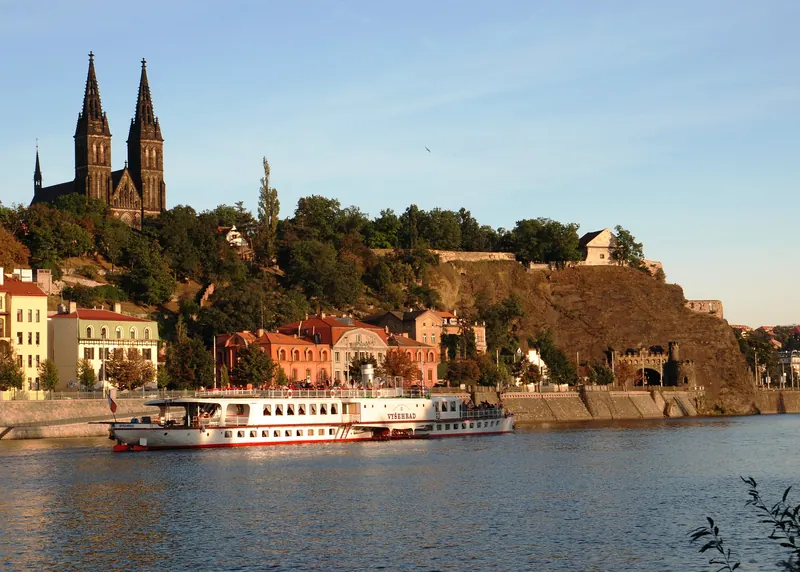
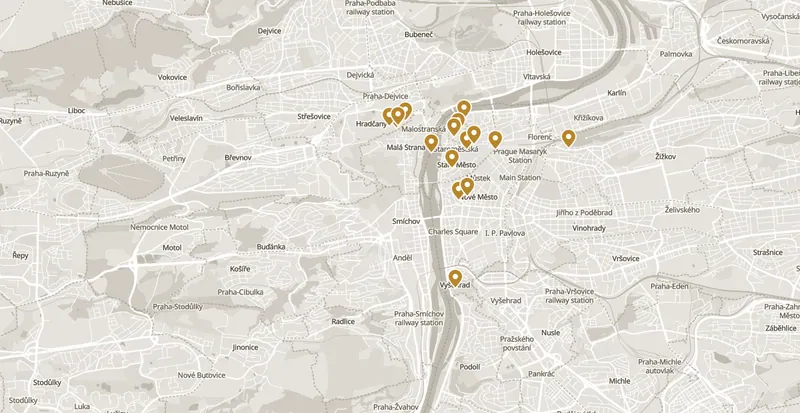
Prague grew up around two hill-forts on opposite banks of the Vltava: Prague Castle, founded by the Přemyslid prince Bořivoj around 880 and the seat of Bohemian rulers ever since, and Vyšehrad to the south. A bishopric followed in 973, and by the twelfth century a market settlement of merchants and Jews on the right bank had become a town, reached by the Judith Bridge of about 1170, the first stone bridge over the river. The Old Town received its walls and privileges in the 1230s, the Lesser Town below the castle was founded in 1257 and Hradčany, the castle district, around 1320.
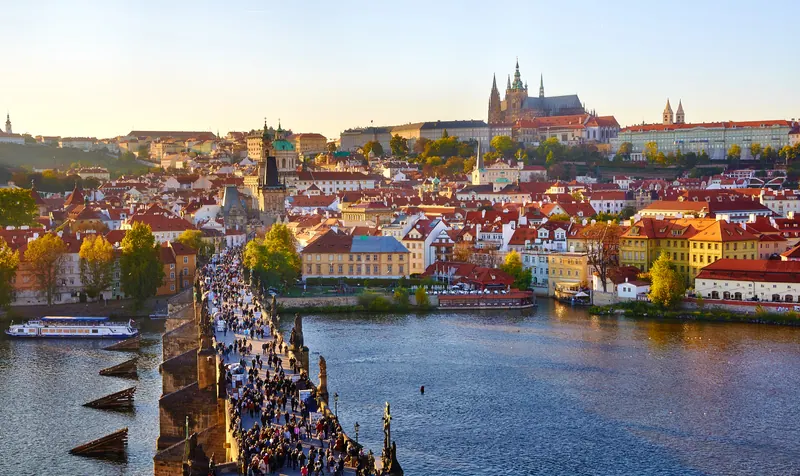
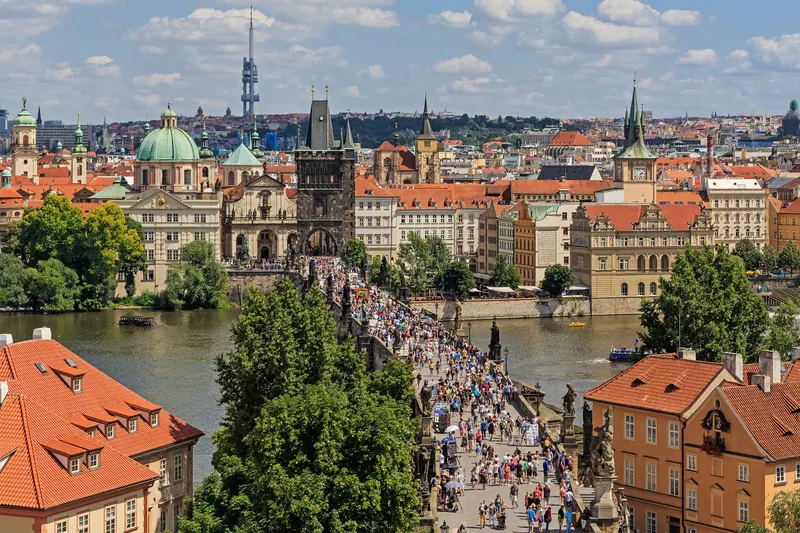
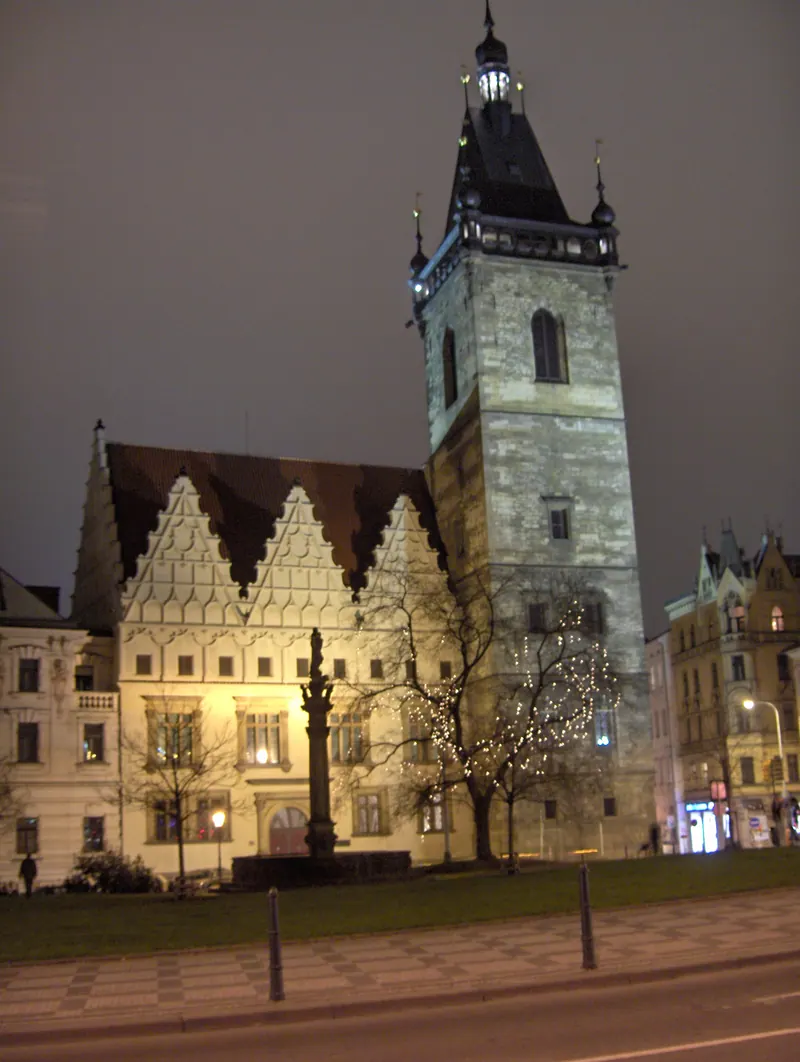
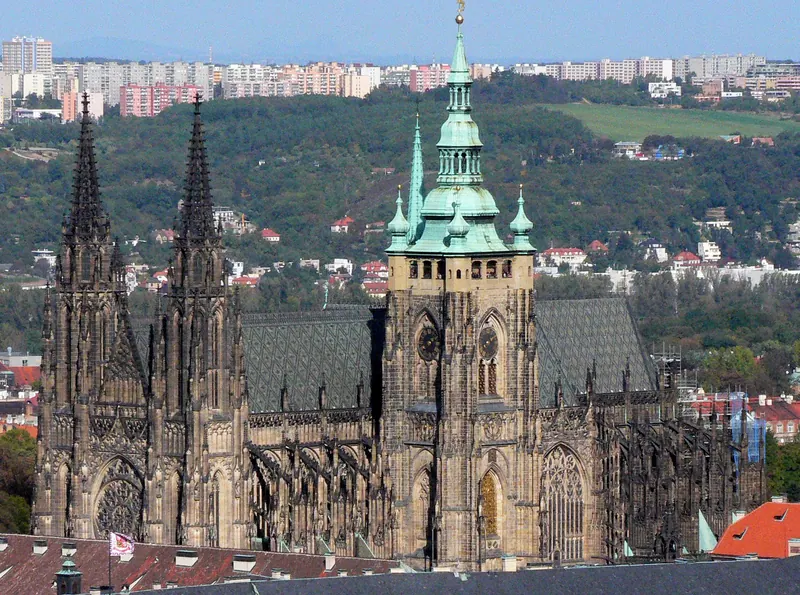
The city’s great century began when Charles IV of Luxembourg became King of Bohemia in 1346 and Holy Roman Emperor in 1355. He had already secured an archbishopric for Prague and laid the foundation stone of St Vitus Cathedral in 1344, with Matthias of Arras and then Peter Parler as architects. In 1348 he founded the university that bears his name, the first in central Europe, and the New Town, a planned district that more than doubled the built-up area and whose market places survive as Wenceslas Square and Charles Square. In 1357 he began the stone bridge that replaced the flood-damaged Judith Bridge; with its Old Town bridge tower it is still the city’s emblem.
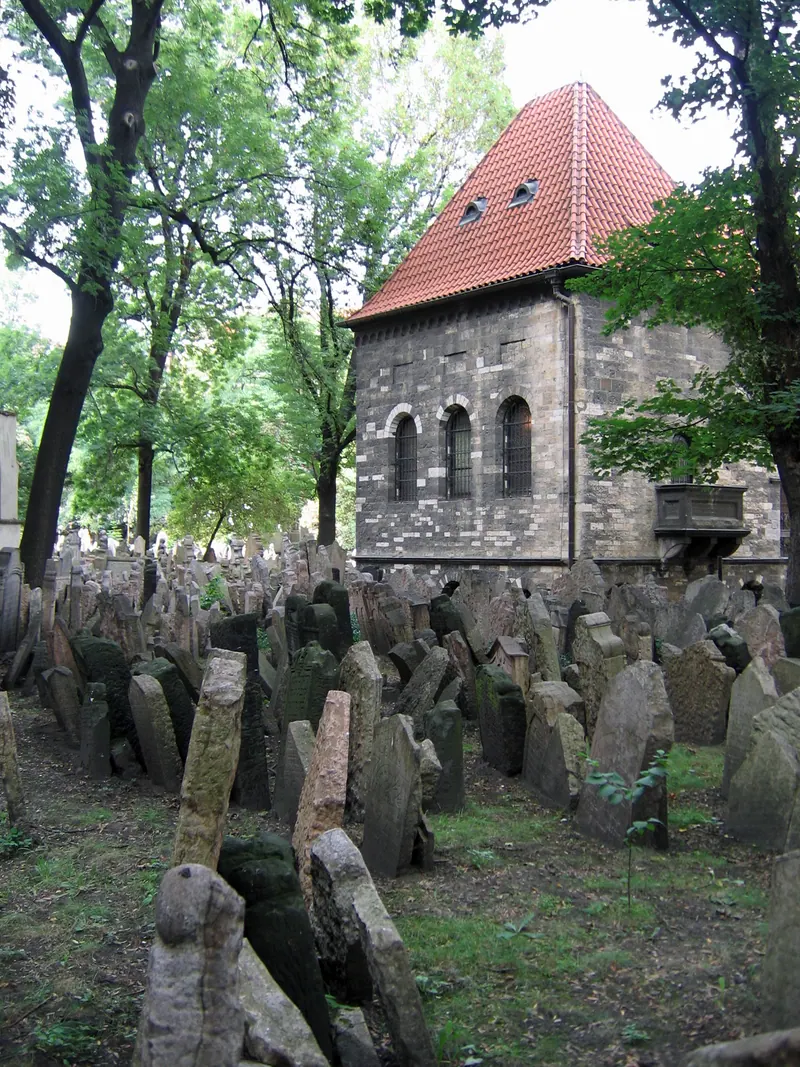
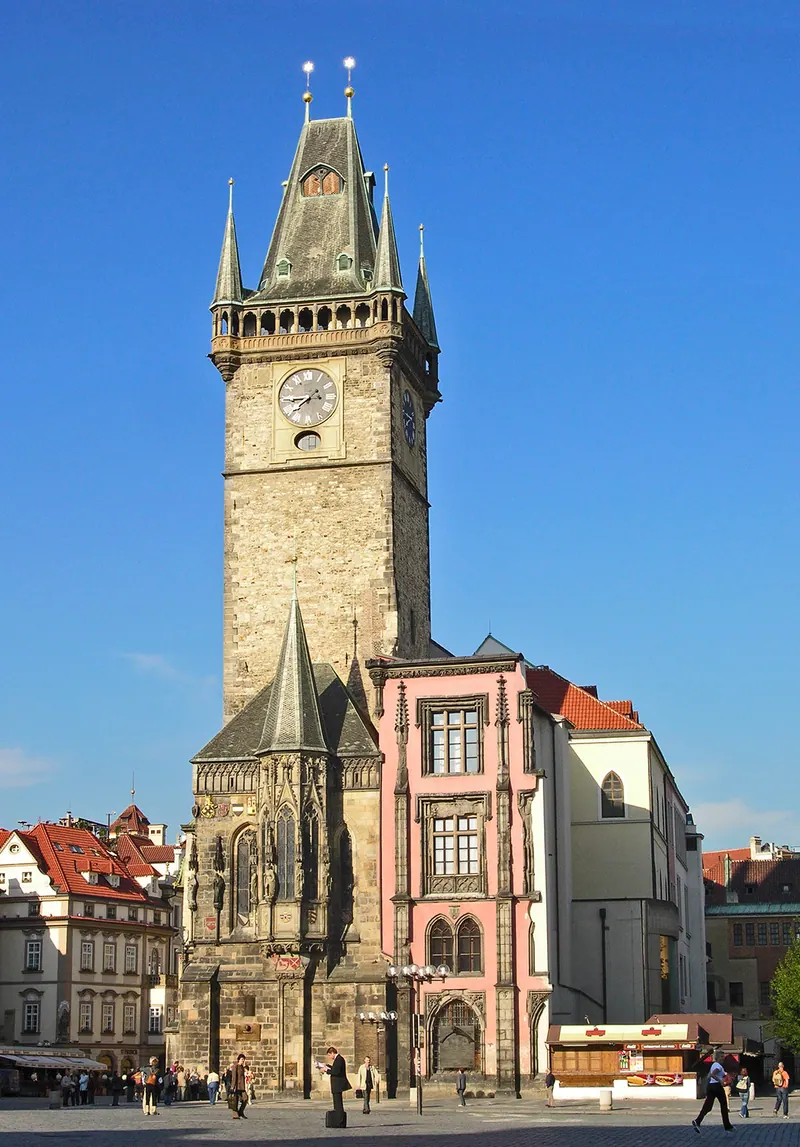
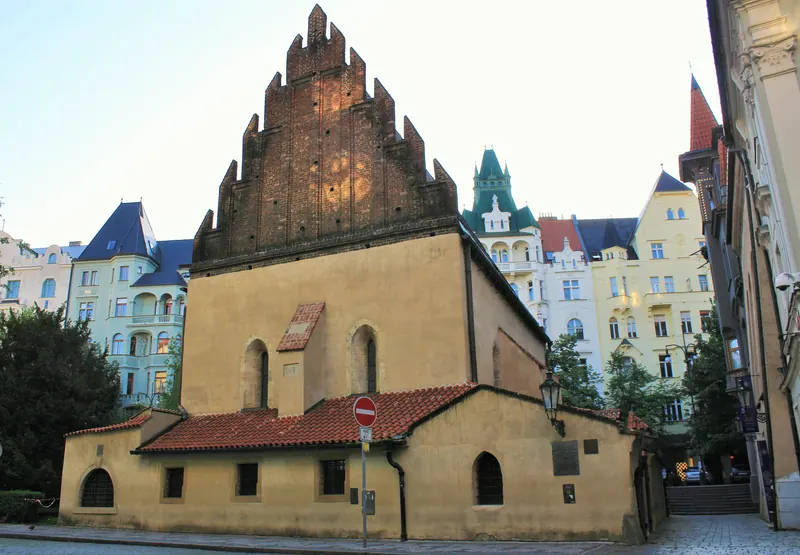
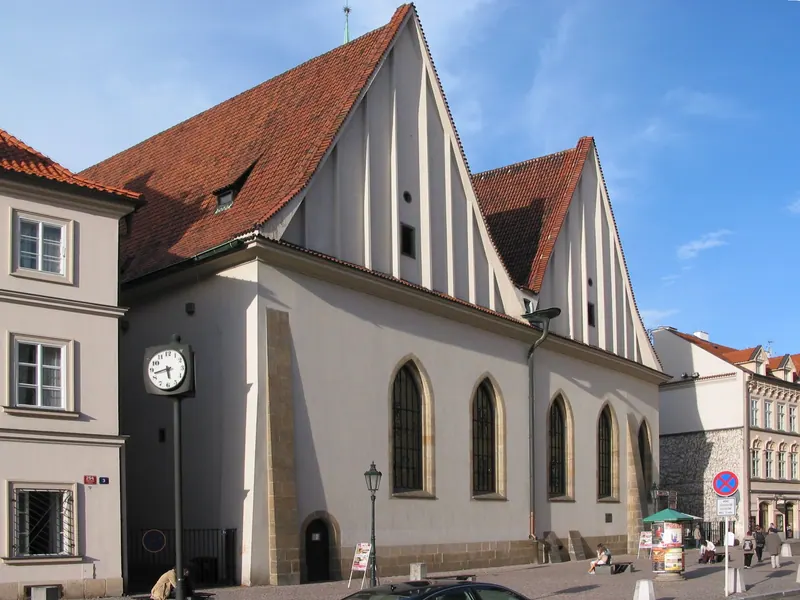
Prague’s medieval story is also one of conflict. The reformer Jan Hus preached in Czech at the Bethlehem Chapel from 1402 until he was driven out, and his burning at Constance in 1415 turned his followers into a movement. The First Defenestration of 1419, when a Hussite crowd threw councillors from the windows of the New Town Hall, opened fifteen years of Hussite wars in which Prague’s citizens under Jan Žižka defeated a crusading army on Vítkov hill in 1420. By then the Old Town Hall of 1338 had gained its astronomical clock, installed in 1410 and still running, and the Jewish Town kept the Old-New Synagogue of about 1270, the oldest synagogue still in use in Europe.
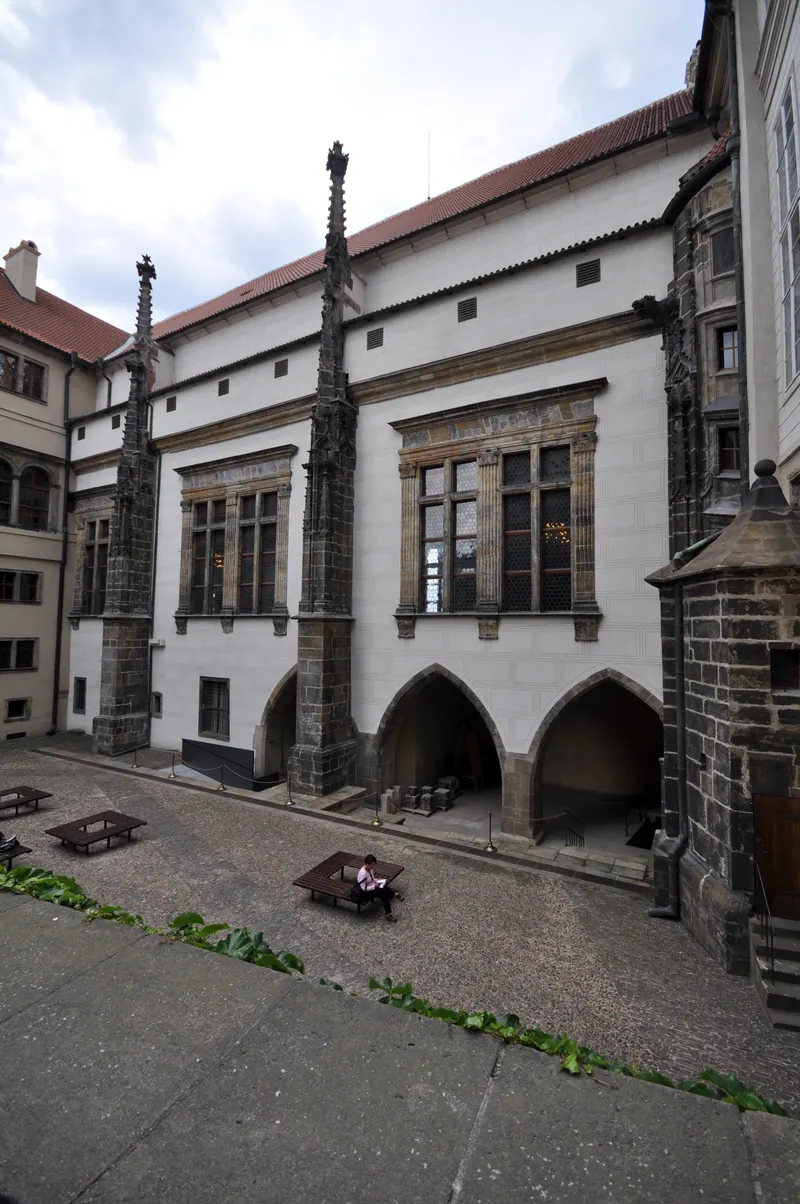
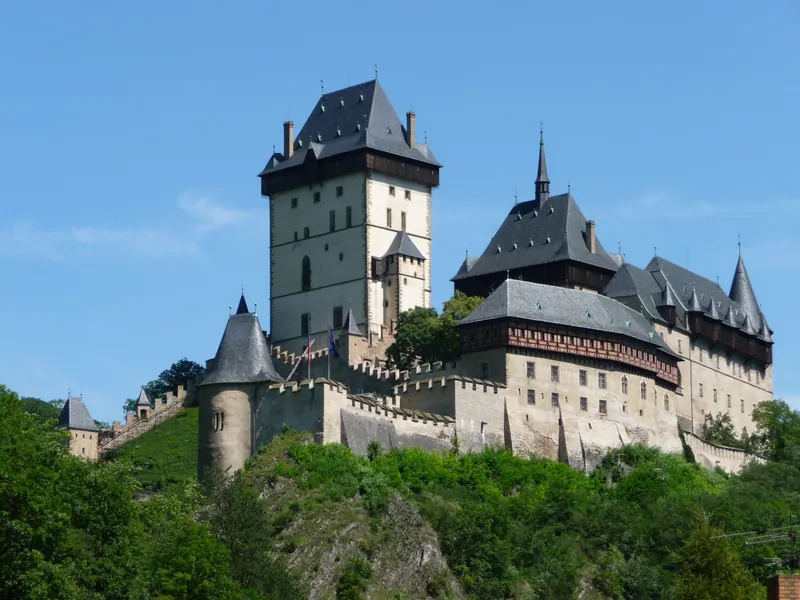
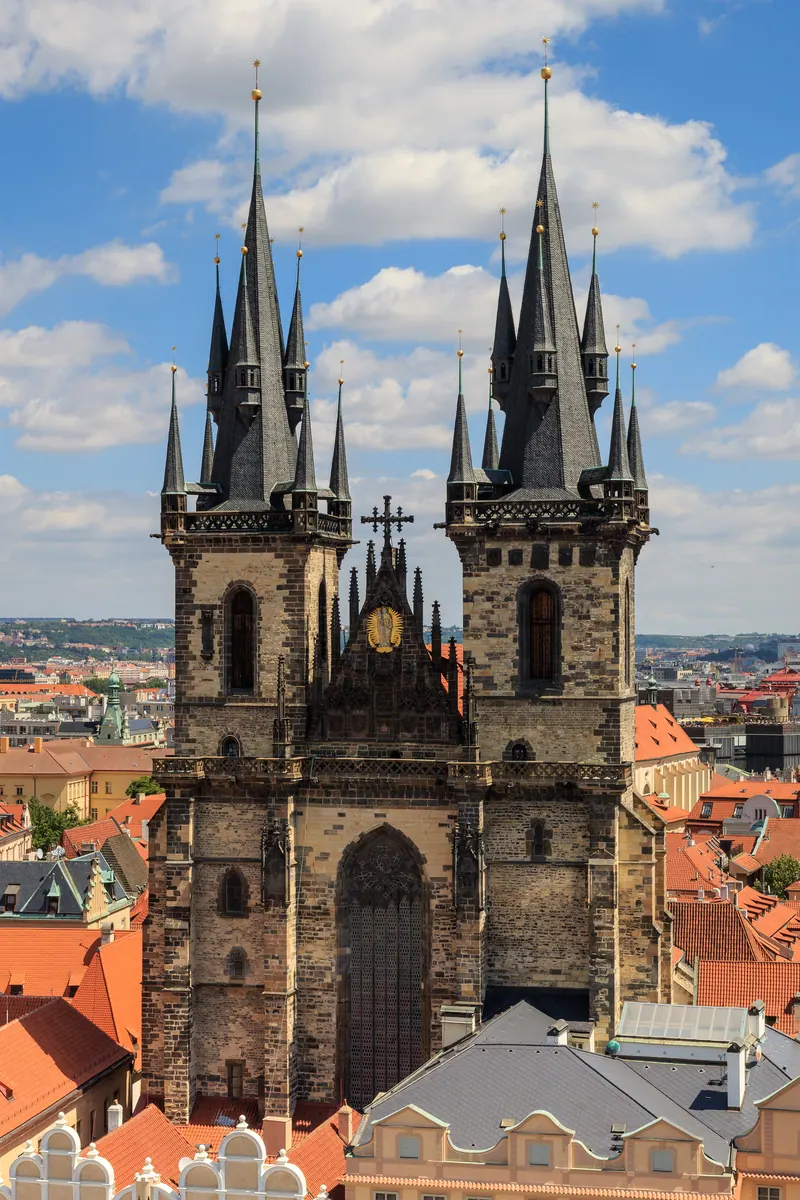
Enough survives to walk through most of this: the castle with St Vitus and the late-Gothic Vladislav Hall (1493–1502), the Charles Bridge and its towers, the Old Town’s street plan and Gothic arcades, the Powder Tower of 1475 at the start of the coronation route, and the New Town’s churches. The historic centre was inscribed by UNESCO in 1992. Medieval Prague’s reach also takes in the castles Charles IV built nearby, above all Karlštejn, 30 km to the south-west and 45 minutes by train, where the imperial regalia were kept and where the wine-harvest festival each September brings his court back into the courtyards.