Tallinn’s Old Town is one of the best-preserved medieval merchant towns in northern Europe, and it has two distinct halves. On the limestone hill of Toompea sat the castle and cathedral, the seat of whoever ruled the province: Danish kings after Valdemar II’s conquest of 1219, then from 1346 the Teutonic Order and its Livonian branch. Below it, the lower town belonged to the merchants and craftsmen who ran their own affairs under Lübeck law, granted in 1248, and joined the Hanseatic League in 1285. The two parts had their own walls and gates and quarrelled for centuries.
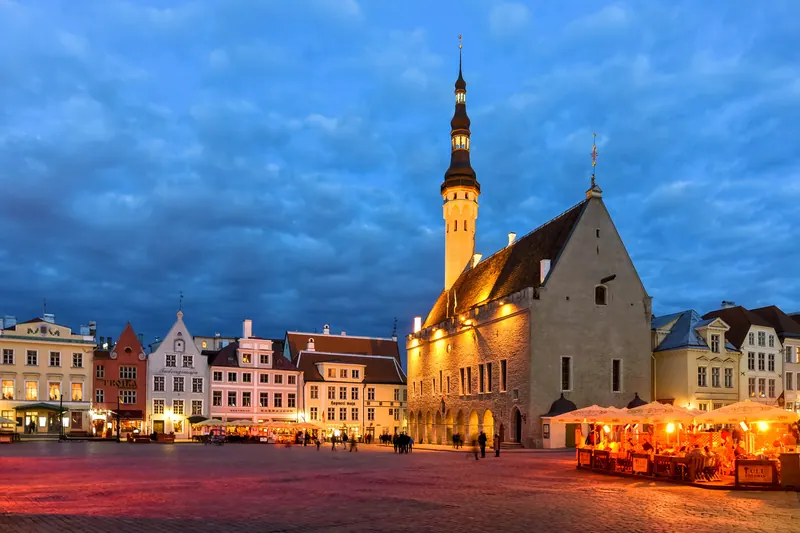
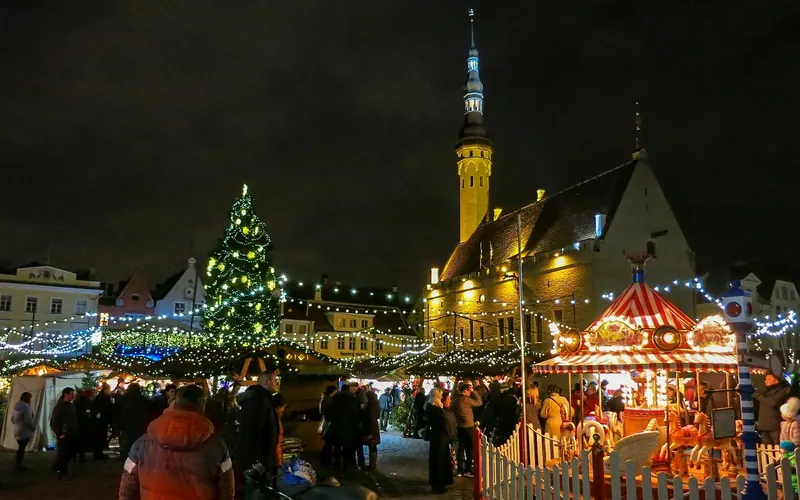
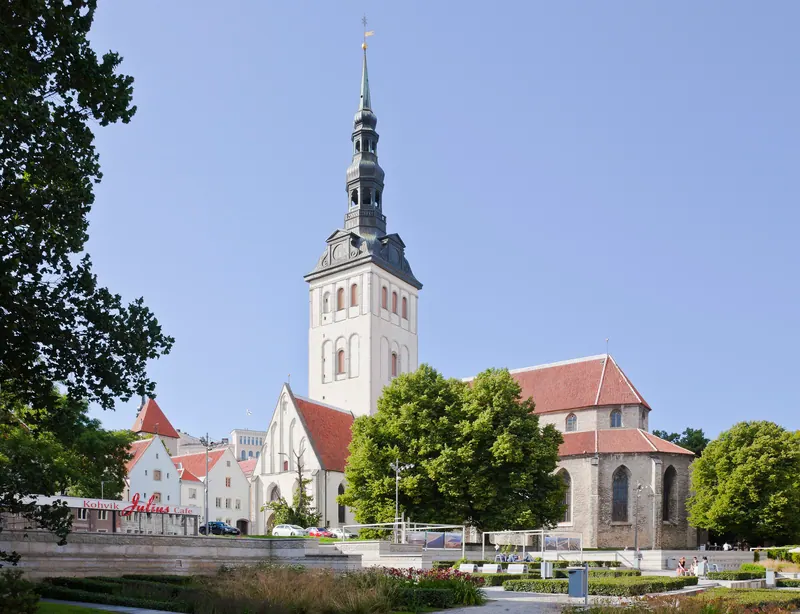
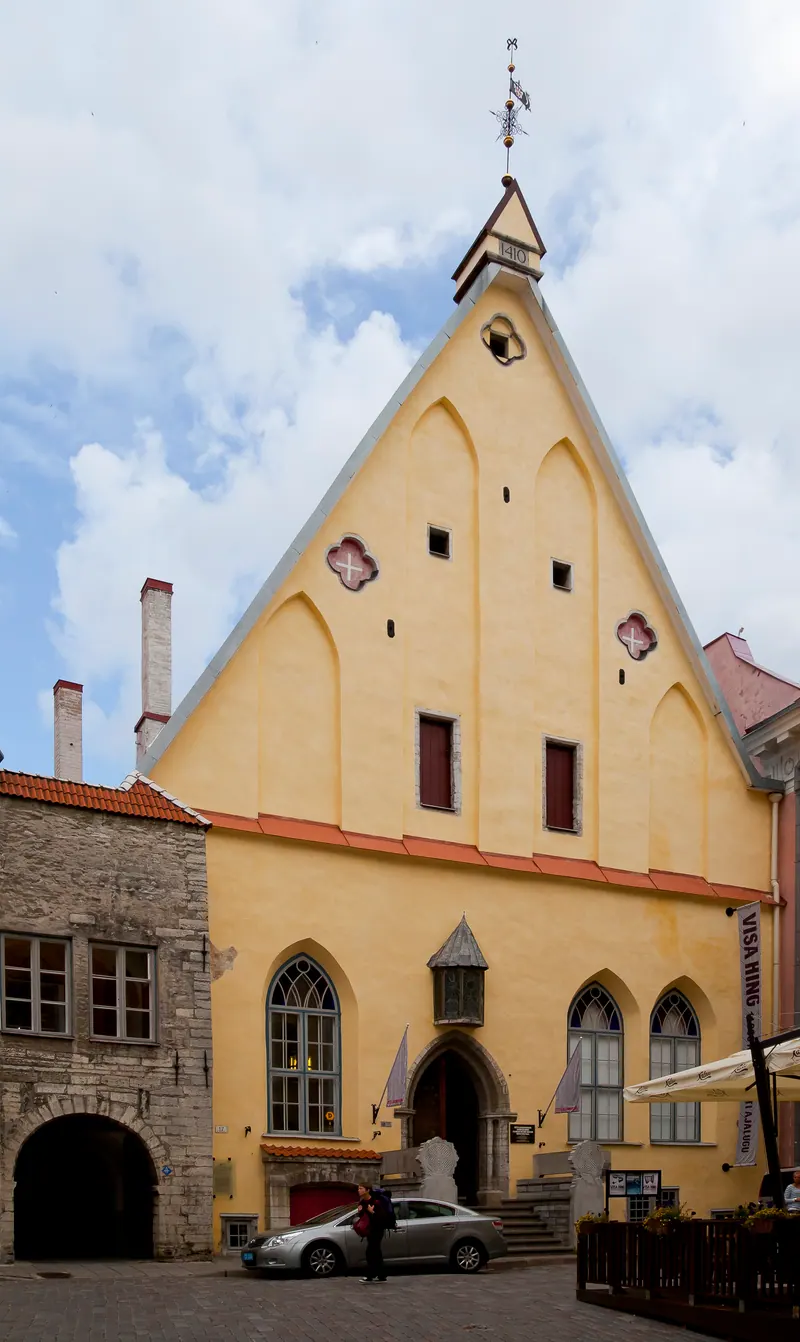
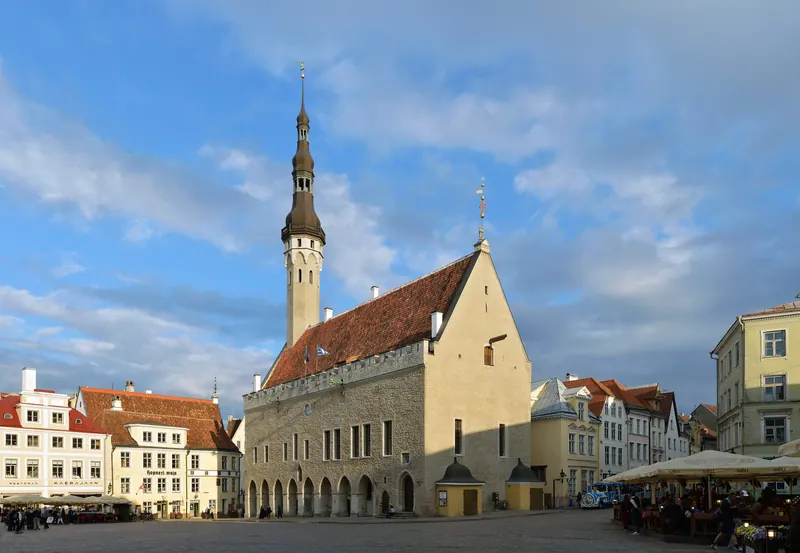
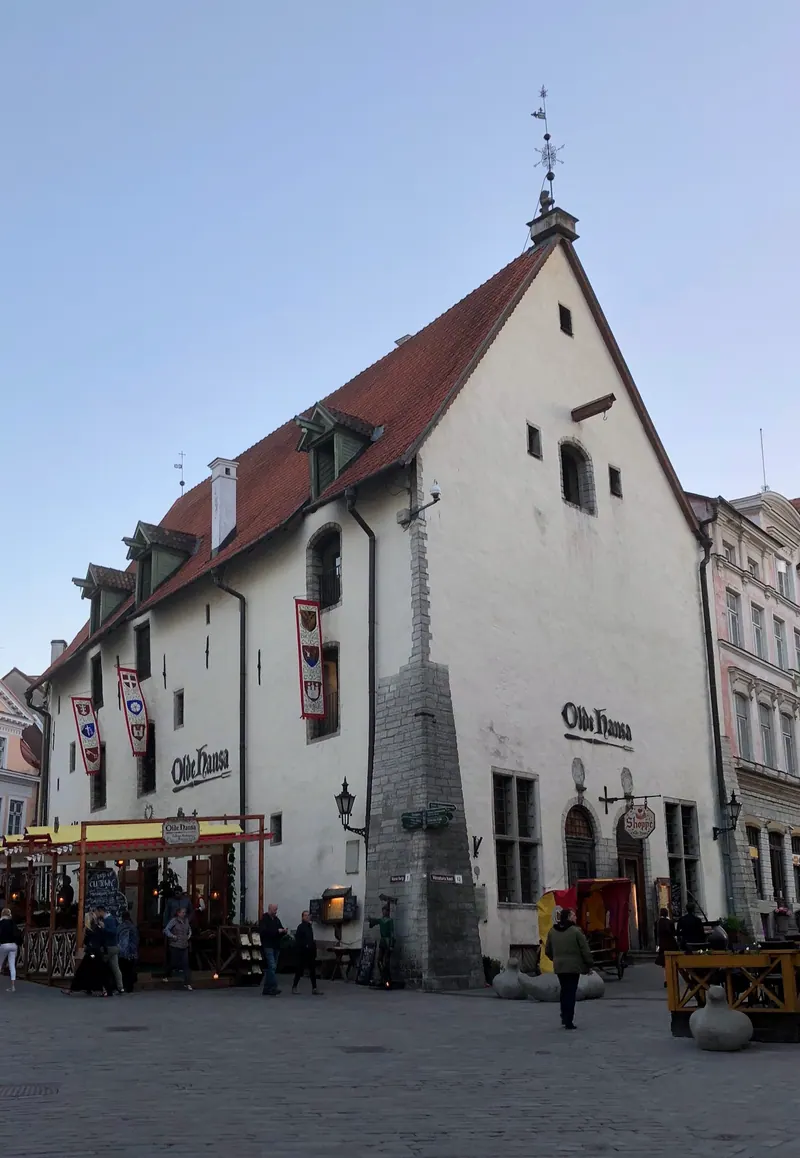
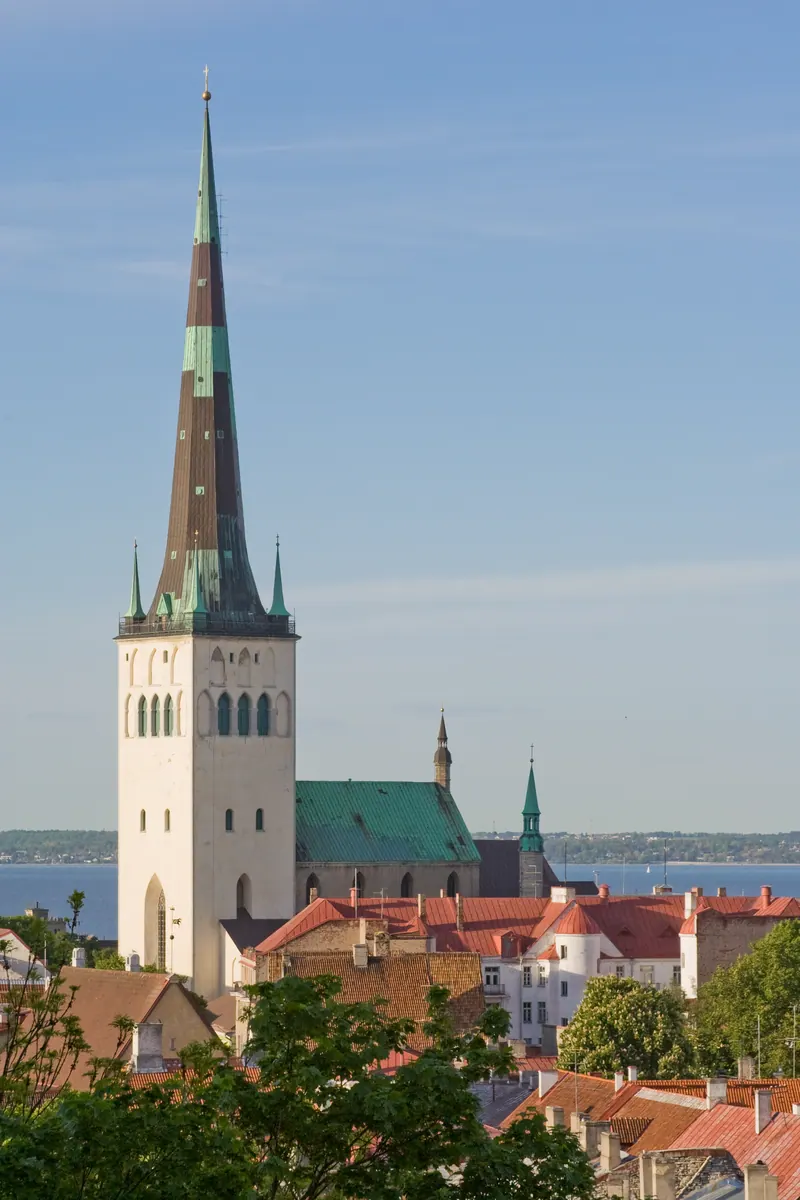
The lower town grew rich shipping furs, wax, grain and flax west and salt, cloth and herring east; Reval, as it was known in German and Danish, was the Hansa’s gateway to Novgorod. That wealth built the Town Hall, completed in 1404 and the only intact Gothic town hall in northern Europe, the Great Guild hall of 1410, the merchants’ houses along Lai and Pikk streets, St Nicholas’ Church with Bernt Notke’s ‘Danse Macabre’, and St Olaf’s, whose spire of about 159 m in the late sixteenth century made it one of the tallest buildings of its day.
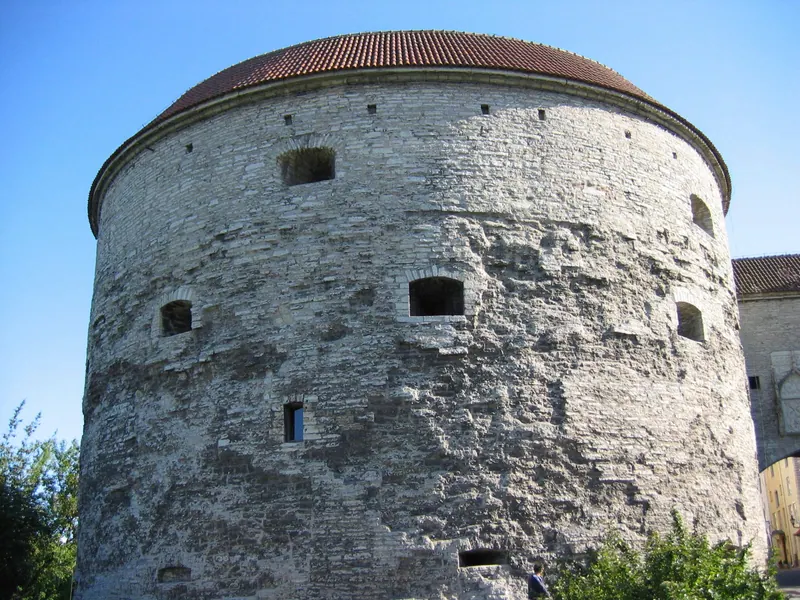
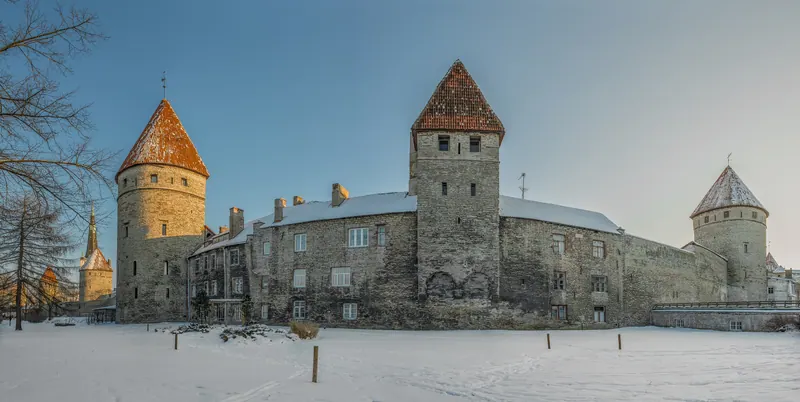
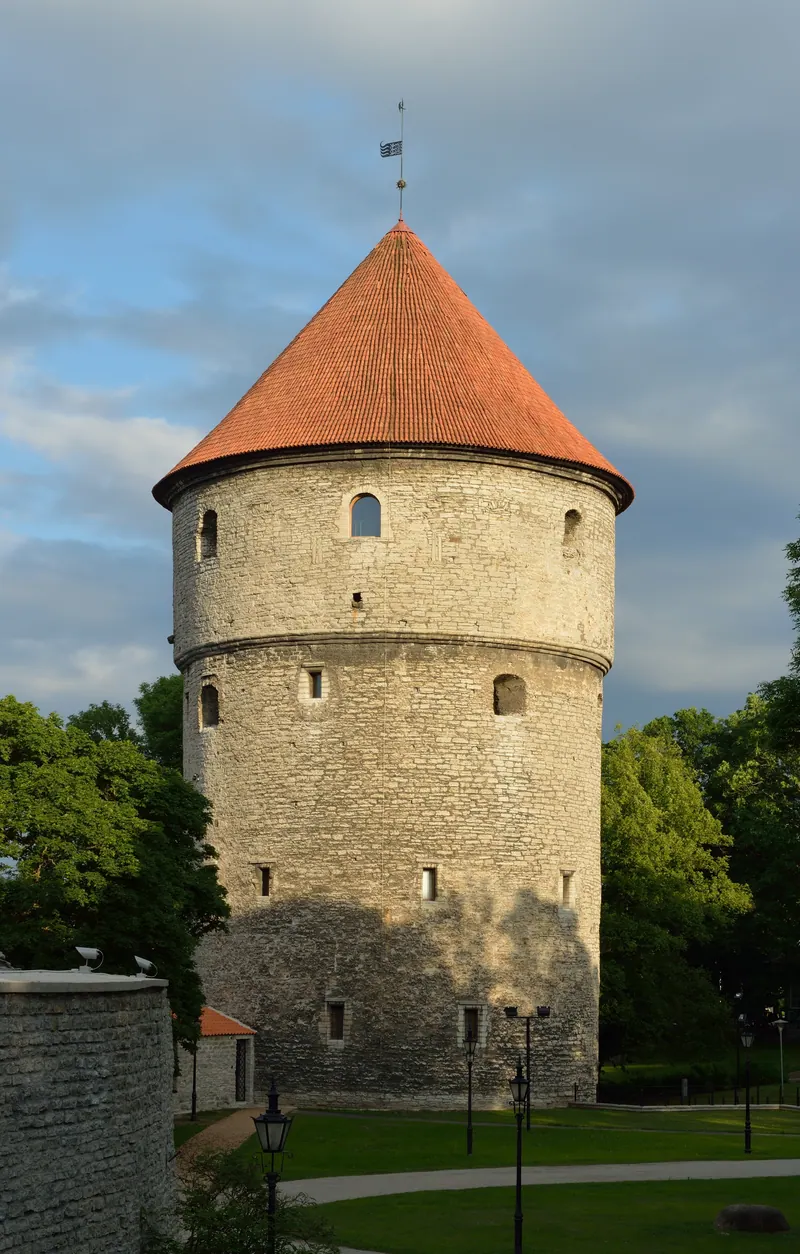
The defences are the most visible legacy. The wall circuit reached about 2.4 km with 46 towers at its peak; today roughly 1.9 km and 20 towers survive, including Fat Margaret at the harbour gate, Kiek in de Kök on the slope of Toompea and Tall Hermann on the castle, where the Estonian flag is raised at sunrise. The legend that the Danish flag fell from the sky during the 1219 battle at Lyndanisse is commemorated in the Danish King’s Garden below the hill.
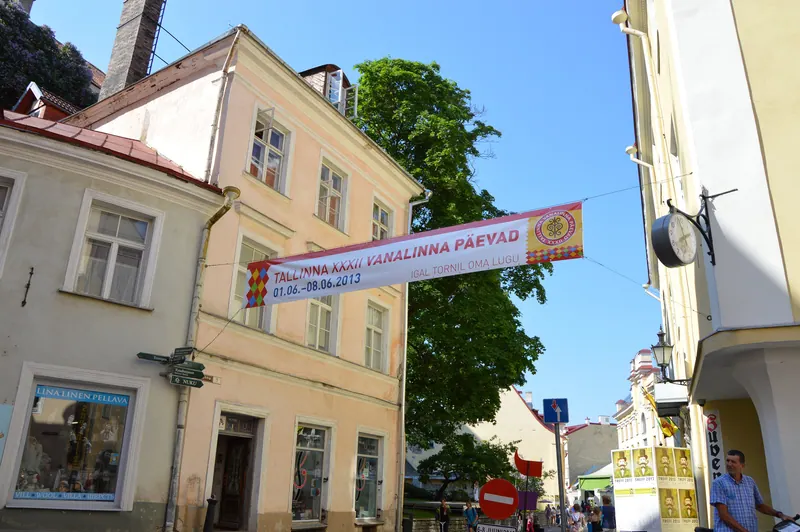
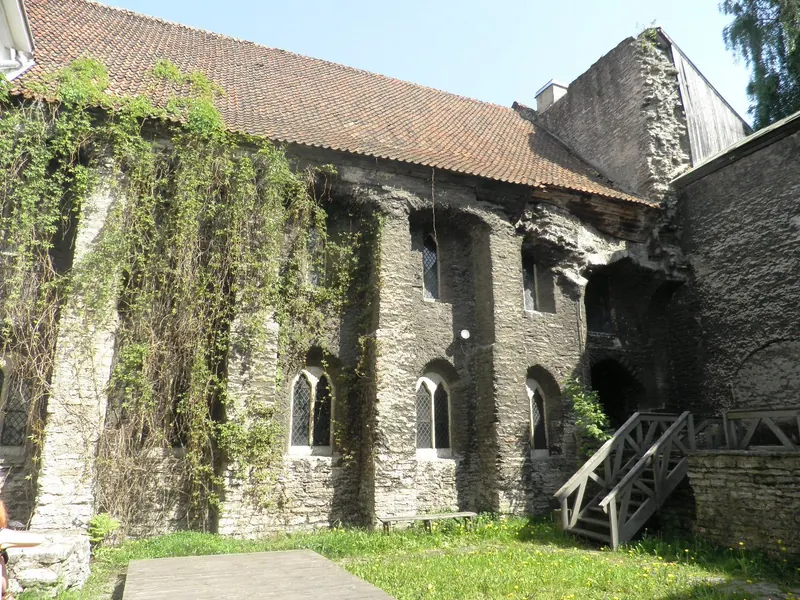
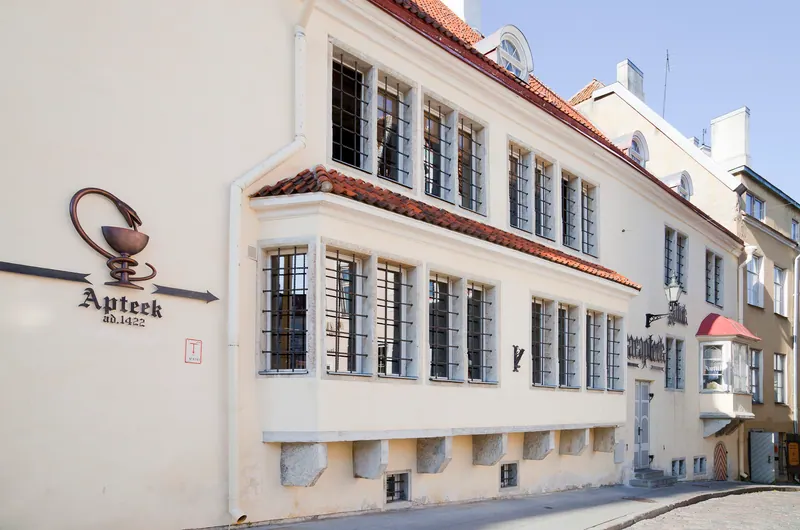
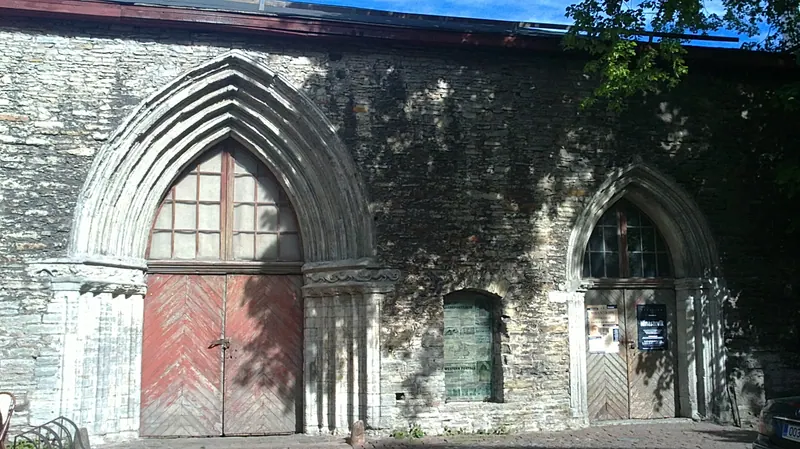
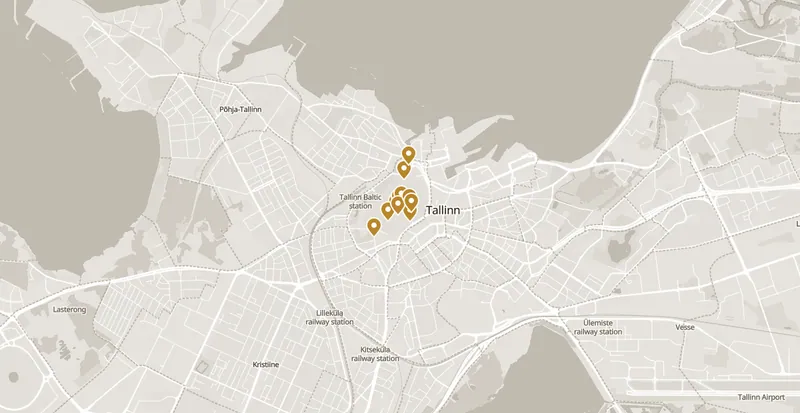
The Old Town was inscribed on the UNESCO World Heritage List in 1997. The Town Hall Pharmacy on Town Hall Square has traded since at least 1422, the Dominican monastery of St Catherine (founded 1246) keeps its cloister, and the whole walled area can be crossed on foot in fifteen minutes. It is a short walk from the railway station and the ferry terminals, which makes it an easy base for Old Town Days in June and the Medieval Days market in July.