Medieval Markets & Fairs
Medieval Christmas
Ronneburg Castle Historical Christmas Market
Ronneburg, Germany
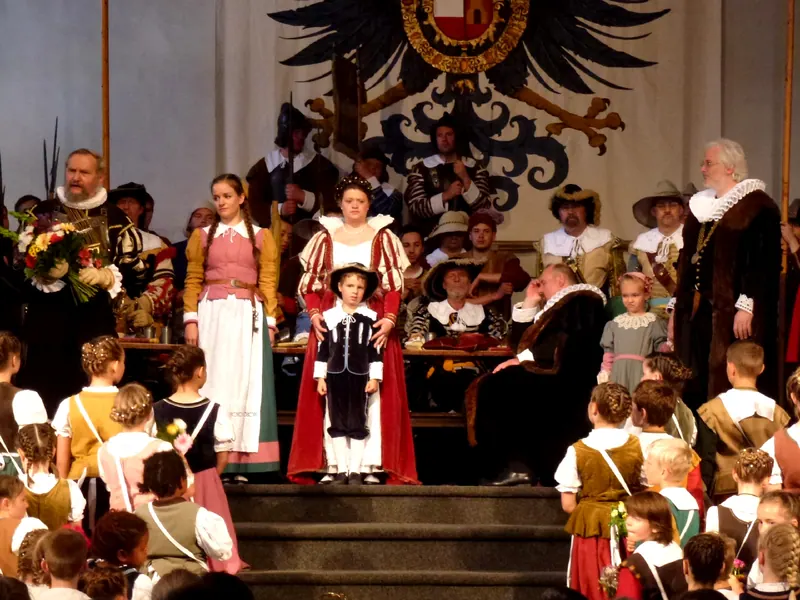
On the first three Advent weekends the 13th-century hilltop castle of Ronneburg, east of Frankfurt between the Wetterau and the Vogelsberg, opens its halls and towers for a historical Christmas market: stalls in the castle rooms, a medieval market with jesters, musicians, taverns and craftspeople outside the walls, and a living nativity play. The 2026 market runs on 28–29 November, 5–6 and 12–13 December, Saturdays 11:00–20:00 and Sundays 11:00–18:00; admission is €10 for adults, €7 for children and €7 for anyone in full historical costume.
–
2026
Family