Medieval Booker

Oeste / Leiria ◆ Portugal

Medieval Óbidos

Walled hilltop town about 80 km north of Lisbon, once the property of Portugal's queens, with a walkable 13th–14th-century wall circuit, a castle-keep pousada and whitewashed lanes.

1 festival 7 places 1 article next event 15 July 2027

Why is Óbidos a medieval destination?

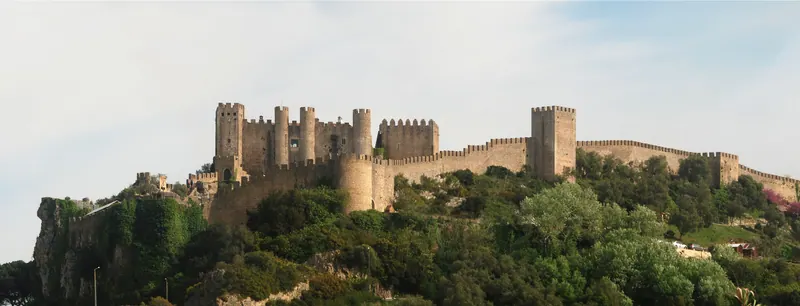
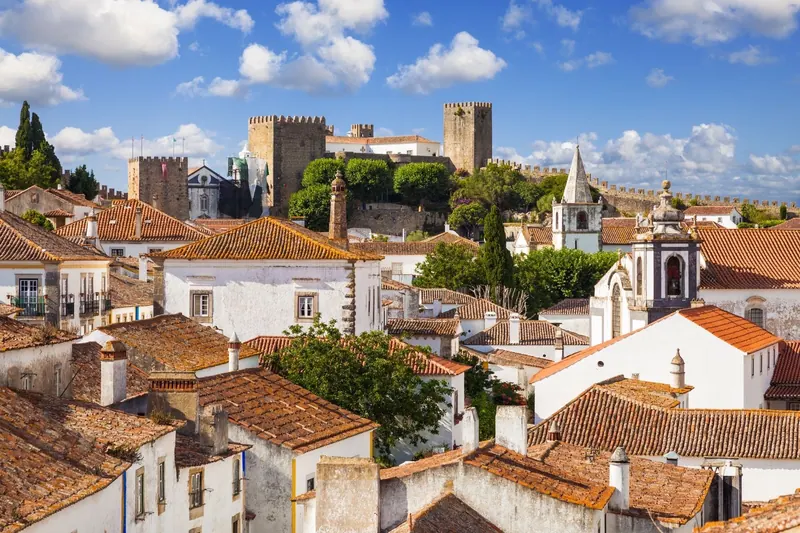
Óbidos sits on a low hill above the Atlantic plain north of Lisbon, entirely enclosed by a 13th–14th-century wall that can still be walked for most of its length. Retaken from the Moors by Afonso Henriques in 1148, the town was given by King Dinis to Queen Isabel in 1282 and belonged to the queens of Portugal as part of their household estate for centuries, which is why it is nicknamed the ‘wedding-present town’.

The castle keep at the top of the town, restored after earthquake damage, is now a pousada hotel; below it run the whitewashed lanes, the main street Rua Direita, the Porta da Vila town gate with its 18th-century azulejo chapel, and the churches of Santa Maria, where the child king Afonso V married his cousin Isabel in 1441, and São Pedro.

Outside the wall stands the 16th-century Usseira aqueduct, and the Óbidos lagoon lies to the west. The town is known for ginjinha, a sour-cherry liqueur served in chocolate cups, and for its festival calendar: the Medieval Market in July, a chocolate festival in spring and a Christmas village in December.

Medieval festivals in Óbidos

Featured
Medieval Markets & Fairs Jousting & Tournaments +1

Mercado Medieval de Óbidos

Óbidos, Portugal

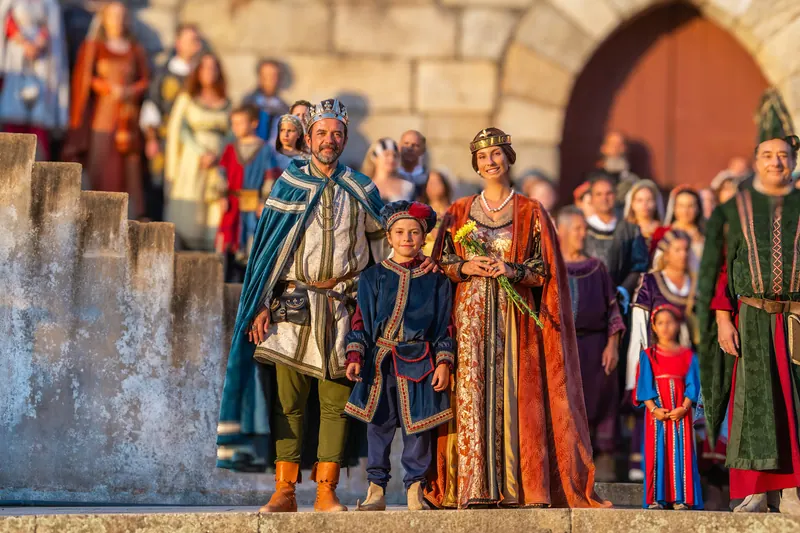
The Mercado Medieval de Óbidos takes over the castle grounds and lanes of the walled town for about 11 days each July, with a themed market, mounted tournaments, parades, street theatre and ticketed royal banquets. Organised by the municipality, it draws around 150,000 visitors a year.

Expected 2027
Family
Months with a festival are linked. Expected dates say so. July

What else to see in medieval Óbidos

Short list on purpose. Everything here is somewhere we'd actually send you, checked and still standing.

Views & walks

View Start here

The Wall Walk (Muralhas de Óbidos)

Circuit 13th–14th century on Moorish and Roman foundations; repaired after the 1755 earthquake

A complete 13th–14th-century circuit around a town of 300 people, walkable end to end for nothing, with no ticket, no gate and no attendant. Read the safety note before you climb: there is no handrail, and this walk has killed people.

Free or cheap Quiet corner
Walking directions

Churches & ossuaries

Church

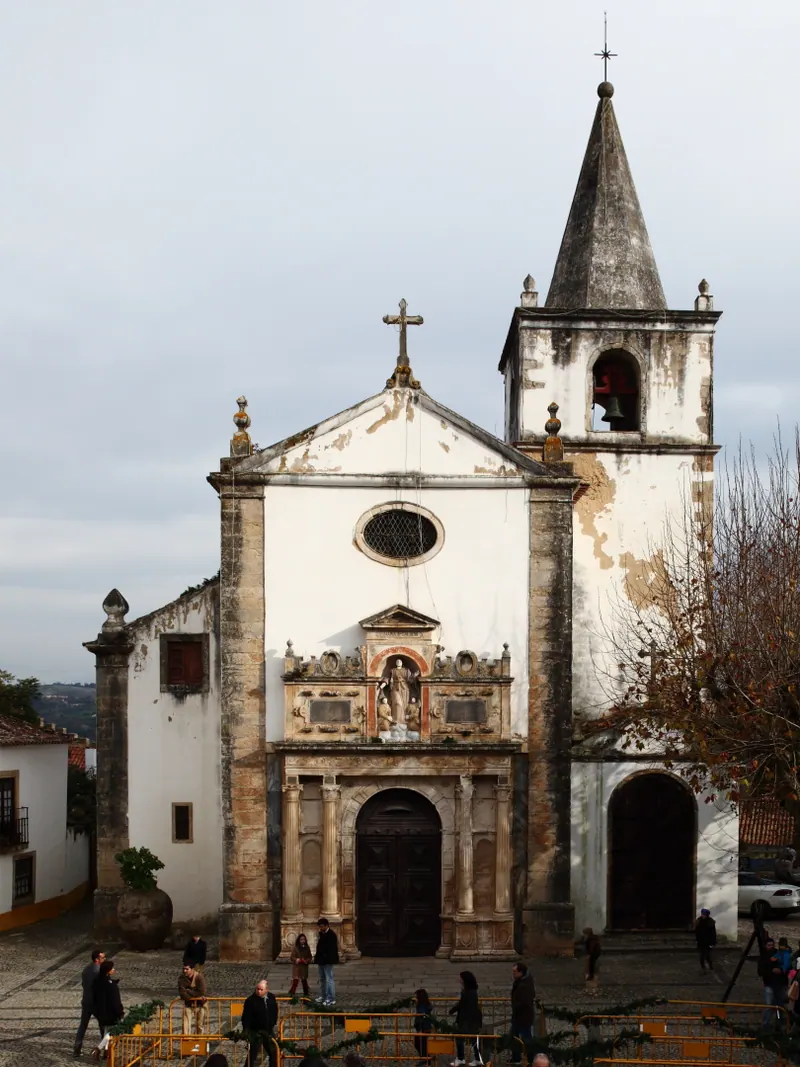
Igreja de Santa Maria

Mosque site consecrated after 1148; reworked under Queen Leonor c. 1490s; rebuilt from 1571; tomb by Chanterene c. 1526–28

The parish church on the site of the town mosque, consecrated after Afonso Henriques took Óbidos in 1148 and rebuilt from 1571 — where the nine-year-old Afonso V was betrothed to his cousin Isabel of Coimbra in 1441. Find two things: the Renaissance tomb by Nicolau Chanterene in the chancel wall, and the pillory outside with a shrimping net carved on it.

Free or cheap Works in the rain Quiet corner
Walking directions
Church

Capela de São Martinho

Founded 1331 by Padre Pêro Fernandes; Gothic throughout, with 14th-century tombs inside and out

A private funerary chapel of 1331, built for the tombs of clergy and knights and dedicated to St Martin, the soldier-saint — the most complete piece of Gothic architecture in the town. Even if the door is locked, walk round it: two medieval tombs are set in the outside wall, one carved with heraldic shields.

Quiet corner Free or cheap
Walking directions

Landmarks & bridges

Landmark

Porta da Vila

14th century, reign of King Fernando; tiled oratory c. 1740–50; inscription added under João IV after 1640

The main gate of the town, built in the 14th century under King Fernando as a double gate set at an elbow so nobody could charge straight through it. Stop inside the passage and look up: the whole angle is lined with an 18th-century tiled oratory, and most people walk under it without raising their eyes.

Free or cheap Good with children
Walking directions

Castles & fortresses

Castle

Castelo de Óbidos

Rebuilt under King Dinis after 1282 on Moorish foundations; pousada since 1951; National Monument since 1910

The keep King Dinis rebuilt after 1282, and since 1951 a hotel — Portugal's first pousada inside a historic monument. You cannot tour it, so know what you are walking to: the Cerca do Castelo courtyard, the terrace and the outside of the keep are free and open, and everything past the front door needs a room booking or a restaurant reservation.

Free or cheap Good with children
Walking directions

Cafés & bakeries

Café

Bar Ibn Errik Rex

Opened 1956 as an antiques shop, bar since 1975; on the Comércio com História state register. Ginjinha itself is a 17th-century drink

The ginjinha bar on Rua Direita that opened as an antiques shop in 1956 and is on the state register of historic Portuguese businesses, still crammed with the stock it never sold. Ask for the sour-cherry liqueur in the chocolate cup, drink it, eat the cup — and know that neither the drink nor the cup is remotely medieval.

Best in the evening Free or cheap
Walking directions

Craft & curiosities

Workshop

Livraria de Santiago

Founded 1186 by Sancho I; present building rebuilt from 1765 after the 1755 earthquake; bookshop since 2013

The church King Sancho I founded in 1186 as the chapel of the alcaides and, later, of the queens in residence — shut, ruined by the 1755 earthquake, rebuilt, abandoned again, and since 2013 a bookshop with the stock shelved up the nave and into the chancel. Free, open every day until 19:00, and thirty seconds below the castle gate.

Works in the rain Quiet corner Free or cheap
Walking directions
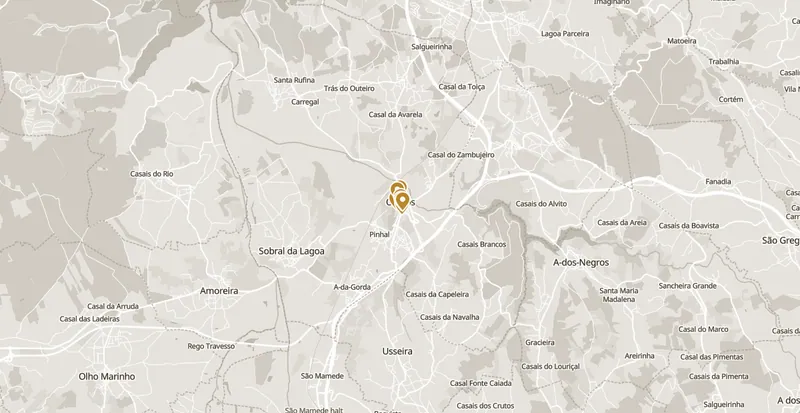
Map of the places worth your time in Óbidos
Everything above, on one map. Tap a link to open it in Google Maps on your phone. © MapTiler © OpenStreetMap contributors

Stories from medieval Óbidos

All articles

More medieval festivals in Portugal

All festivals in Portugal
Featured
Medieval Markets & Fairs Living History & Museums +1

Viagem Medieval em Terra de Santa Maria

Santa Maria da Feira, Portugal

Viagem Medieval is a 12-day historical recreation that turns the historic centre and castle of Santa Maria da Feira into a themed medieval town each summer, with processions, theatre, tournaments, markets and camps. Running since 1997, it is Portugal's largest medieval event.

Expected 2027
Family

Other medieval cities in Portugal: Santa Maria da Feira