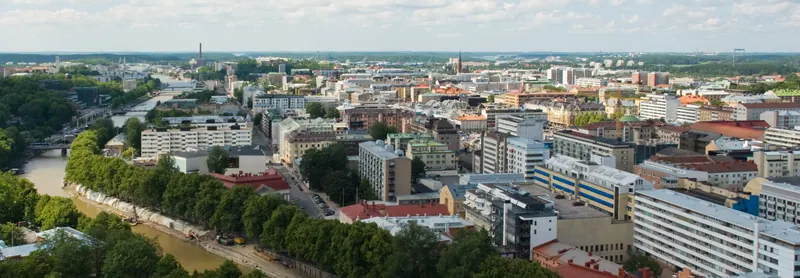
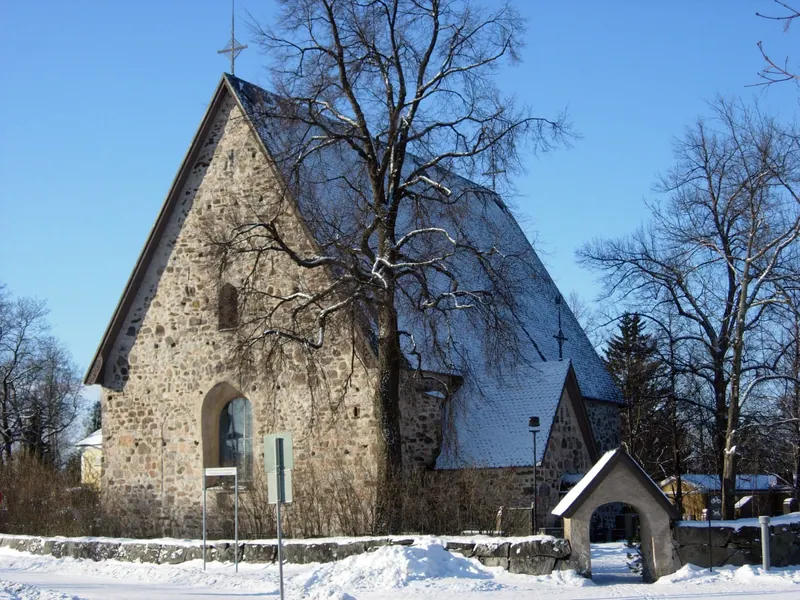
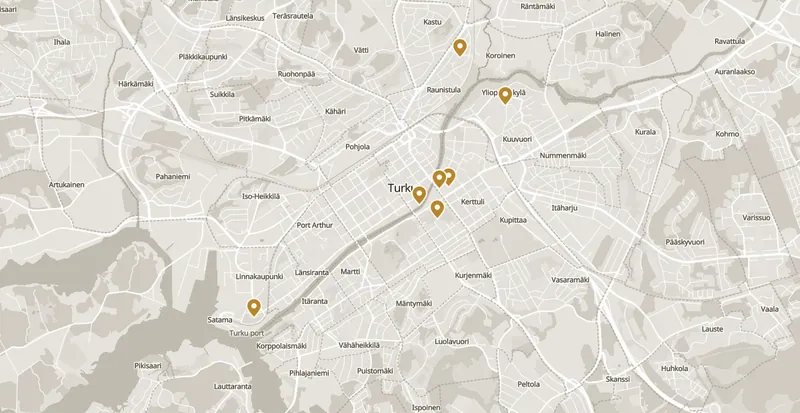
Turku (Åbo in Swedish) is Finland’s oldest town and was its ecclesiastical and administrative centre through the Middle Ages, when Finland was the eastern part of the Swedish realm. The town grew up in the late 13th century around the mouth of the Aura river, between the cathedral on one bank and the harbour castle downstream.
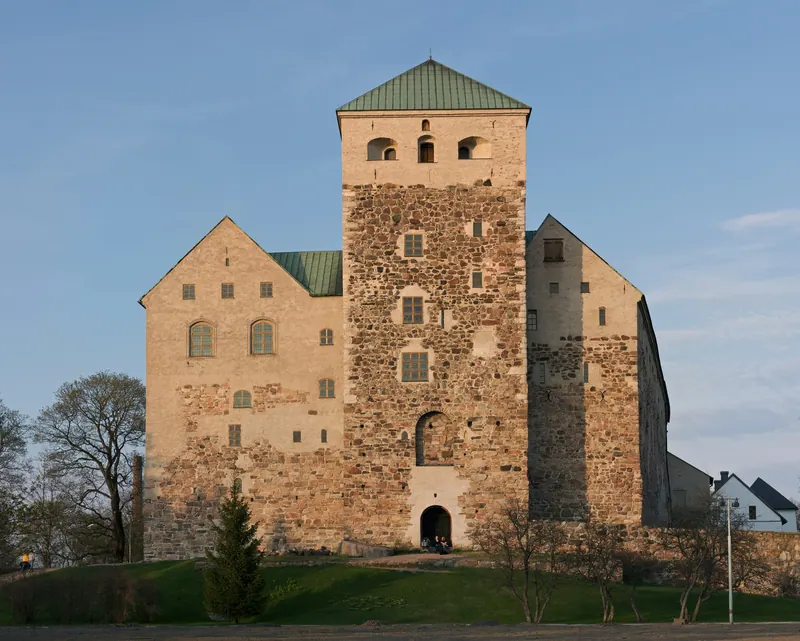
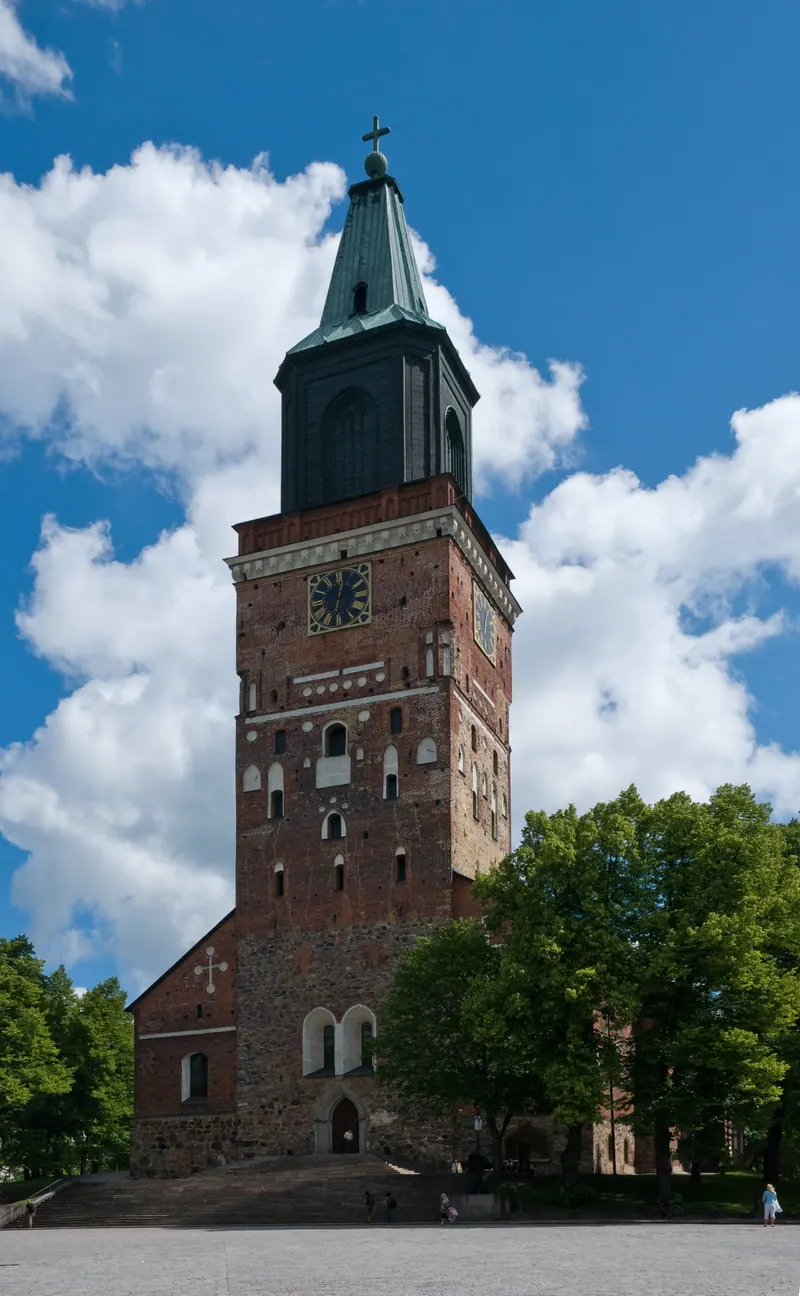
Turku Cathedral, consecrated in 1300 and enlarged over the following two centuries, is Finland’s national shrine and the seat of its first bishops. It is closed to all visitors for a full renovation from 9 February 2026 until 2 December 2028, and the Cathedral Museum closed on 30 September 2025. Turku Castle, begun in the 1280s as a Swedish royal stronghold, is one of the largest surviving medieval buildings in the Nordic countries; its 16th-century Renaissance court under Duke John and Catherine Jagiellon still encloses the older fortress.
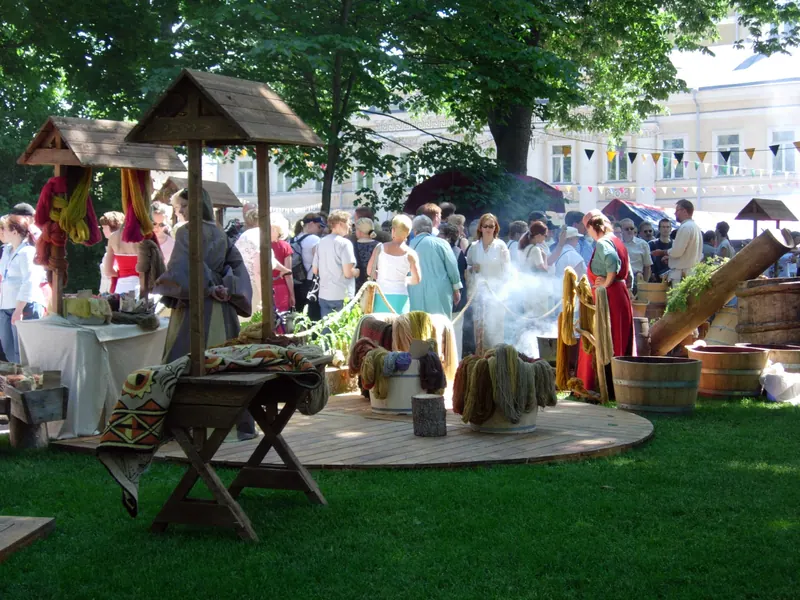
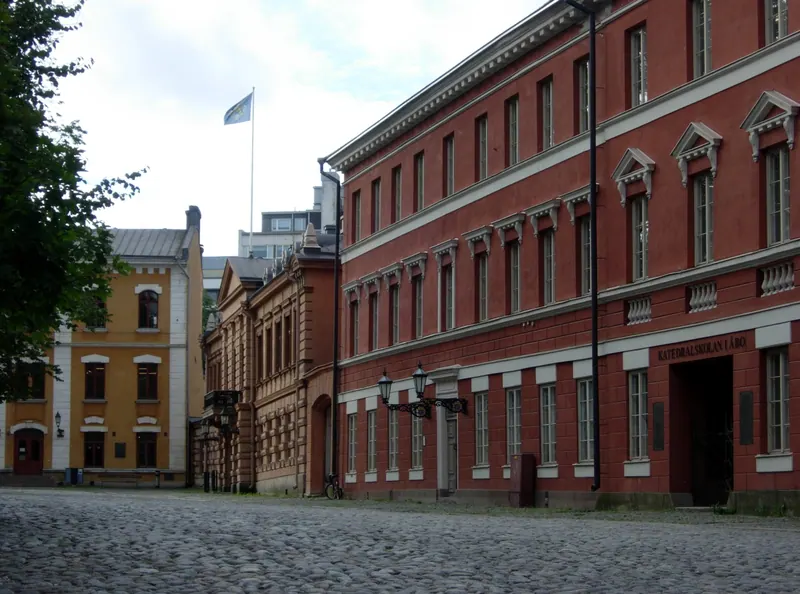
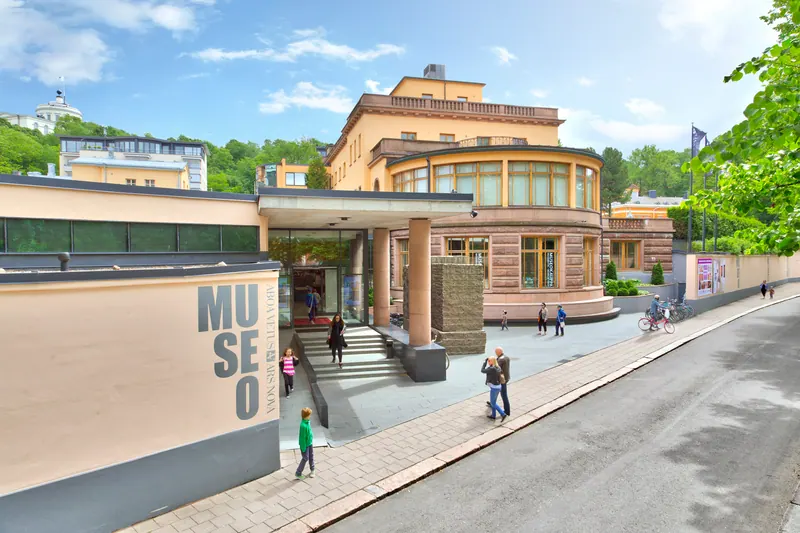
Fire destroyed most of the wooden town in 1827, after the capital functions had already moved to Helsinki, so little medieval fabric survives above ground beyond the cathedral, the castle and the Old Great Square (Vanha Suurtori) area. The Aboa Vetus museum preserves an excavated medieval street block in situ, and the Medieval Market is held on the square each June.