Medieval Booker

Castile and León ◆ Spain

Medieval Ávila

Castilian hill town at about 1,130 m with the most complete medieval city wall in Spain (2.5 km, 87 towers, nine gates), a fortress-cathedral built into the wall and the birthplace of Saint Teresa; a UNESCO World Heritage Site since 1985.

1 festival 7 places no articles yet next event 3 September 2026

Why is Ávila a medieval destination?

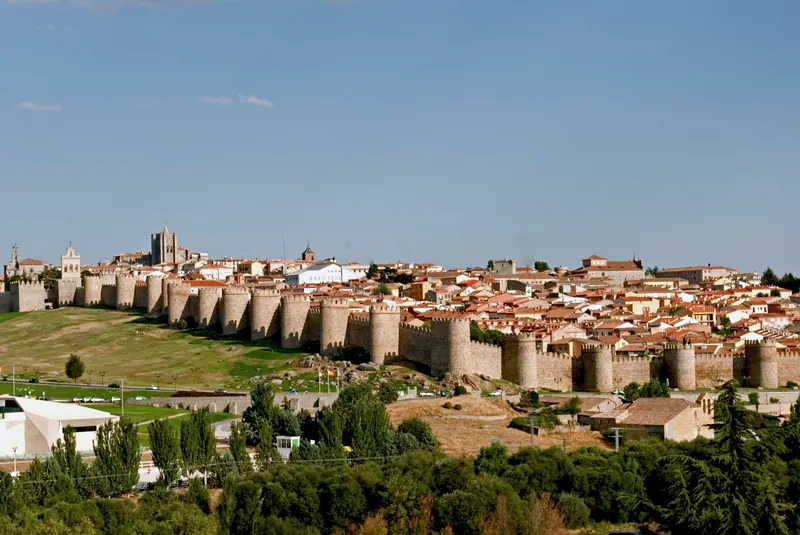
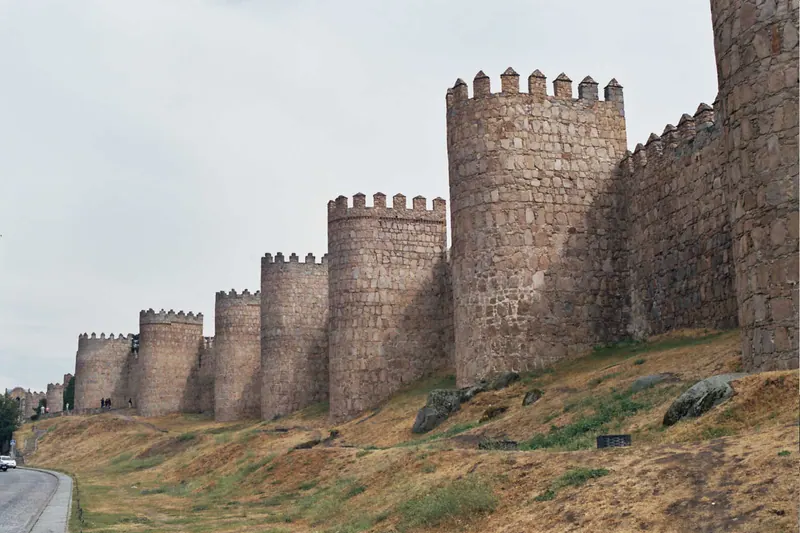
Ávila sits at about 1,130 m on the Castilian plateau north-west of Madrid, one of the highest provincial capitals in Spain. After Alfonso VI took Toledo in 1085 the town became a frontier to be resettled, a task traditionally credited to his son-in-law Raymond of Burgundy. The wall begun in 1090 and largely built in the 12th century still runs its full circuit of about 2.5 km, with 87 semicircular towers (88 originally; one went in the 16th century for the cathedral’s Capilla de San Segundo) and nine gates enclosing 31 hectares; visitors can walk about two-thirds of the wall-top walkway, 1,700 m of the 2,516 m circuit, in separate stretches rather than a loop.

The cathedral, begun in the late 12th century and often called Spain’s first Gothic cathedral, is part of the defences: its fortified apse, the cimorro, is the largest tower in the wall. Outside the gates stand the Romanesque basilica of San Vicente, built on the site where three Christian siblings were martyred around 306, and the churches of San Pedro and San Andrés; to the south the Dominican monastery of Santo Tomás (1480s) holds the tomb of Prince Juan, only son of the Catholic Monarchs.

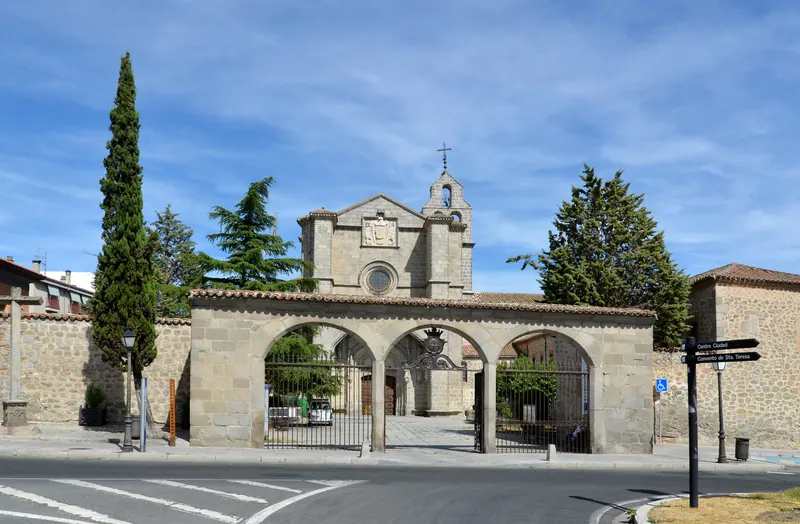
Medieval Ávila had Christian, Jewish and Muslim quarters, which is the story the September Jornadas Medievales retell as the ‘Market of the Three Cultures’. Teresa of Ávila, the Carmelite reformer and mystic, was born here in 1515; the Convento de Santa Teresa stands on the site of her family home, and the town is still sold on its saints and knights.

The old town and its extra-muros churches were inscribed on the UNESCO World Heritage List in 1985. Ávila is about 90 minutes by train from Madrid Chamartín; expect cool evenings even in summer, and try the yemas de Santa Teresa, egg-yolk sweets sold all over the centre.
Medieval festivals in Ávila

Featured
Medieval Markets & Fairs Jousting & Tournaments +1

Jornadas Medievales de Ávila (Mercado de las Tres Culturas)

Ávila, Spain

Ávila's Jornadas Medievales turn the walled UNESCO city into the 'Market of the Three Cultures' for four days on the first weekend of September, with more than 300 stalls, around 150 free shows, nine mounted tournaments and a grand parade recalling the town's Christian, Jewish and Muslim past. Held since 1997 and declared a Festival of National Tourist Interest, it drew about 130,000 visitors in 2025.

2026
Family

Months with a festival are linked. Expected dates say so. September

What else to see in medieval Ávila

Short list on purpose. Everything here is somewhere we'd actually send you, checked and still standing.

Landmarks & bridges

Landmark Start here

The Walls of Ávila

Traditionally begun 1090; mostly 12th-century granite; National Monument 1884, UNESCO 1985

Begun in 1090 on a resettled Castilian frontier and still standing its full 2,516 m with 87 towers and nine gates — the most complete medieval town wall in Spain. About 1,700 m of the wall-top walkway is open and the whole south side is not, so start at the Casa de las Carnicerías beside the cathedral, which has the lift and the longest continuous stretch.

Good with children Best in the evening
Walking directions

Churches & ossuaries

Church

Cathedral of El Salvador

Begun c. 1172 under Giral Fruchel; the apse is built into the city wall; El Tostado's tomb early 16th century

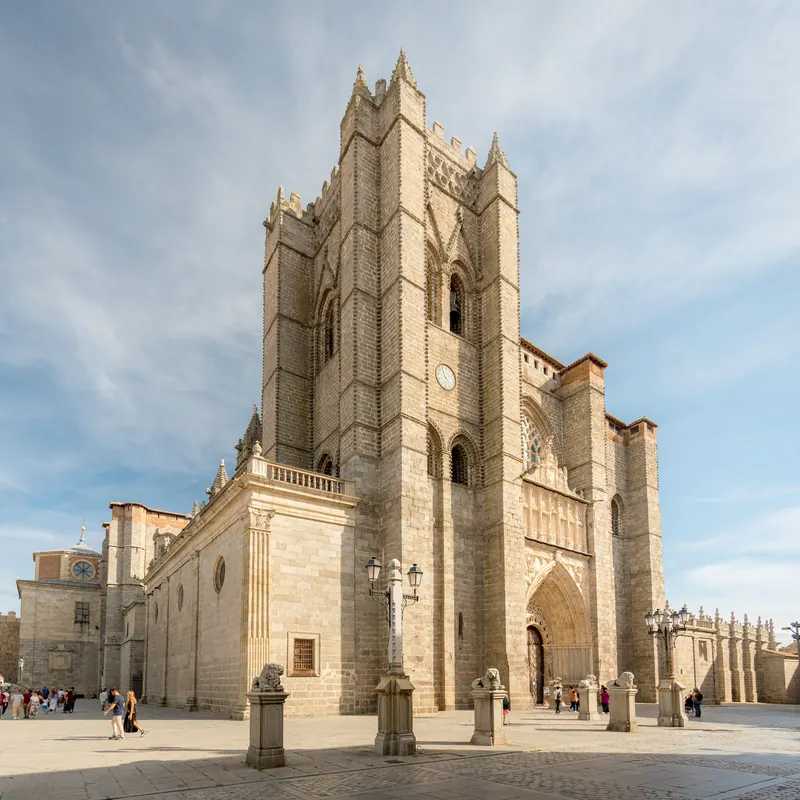
Begun in the 1170s under the master Giral Fruchel and usually claimed as the first Gothic building in Spain, this is a cathedral that doubles as a tower of the city wall: its apse, the cimorro, is the biggest and most heavily fortified drum on the whole circuit. Walk round to the outside of the wall and look at the apse from below before you pay to go in.

Works in the rain
Walking directions
Church

Basílica de San Vicente

Begun c. 1120; towers c. 1150–1170; cenotaph mid-12th century; finished in the 14th

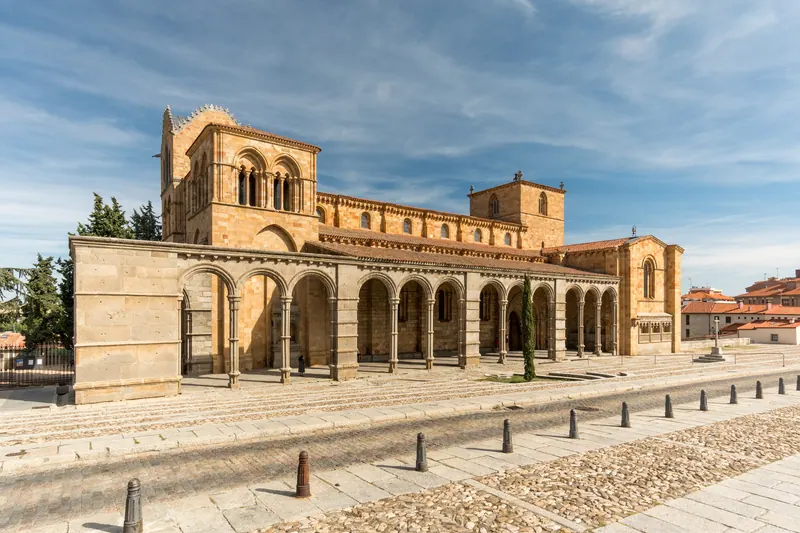
The Romanesque church outside the Puerta de San Vicente, begun about 1120 on the spot where tradition says three Christian siblings were killed around the year 306. Two things earn the ticket: the west portal, and the painted cenotaph inside, carved in the mid-12th century with the arrest, trial and killing of the martyrs told strip by strip — walk round it twice.

Works in the rain Quiet corner
Walking directions
Church

Real Monasterio de Santo Tomás

Begun 11 April 1482, completed 1493; sepulchre of Prince Juan carved 1511–12

The Dominican house begun on 11 April 1482 that Ferdinand and Isabella turned into their summer palace, where Torquemada spent his last years and where the only son of the Catholic Monarchs was buried. Go for the Cloister of Silence and Fancelli's marble sepulchre of Prince Juan — and know before you stand at it that the body is not inside.

Quiet corner Works in the rain
Walking directions

Taverns & beer halls

Tavern

El Molino de la Losa

Mill documented from 1327, working until 1985; wheels and machinery kept in the restaurant

A flour mill first recorded in 1327 that ground until 1985, standing on a granite slab in the middle of the Adaja a hundred metres below the west wall and now a wood-fired Castilian grill. It is the honest place to eat chuletón de Ávila, and it sits directly on the walk from the Puerta del Puente up to Los Cuatro Postes — ring ahead, because the hours are not published anywhere.

Good with children Best in the evening
Walking directions

Views & walks

View

Los Cuatro Postes

Present monument contracted 1566; the site is an older wayside shrine on the western road out of the city

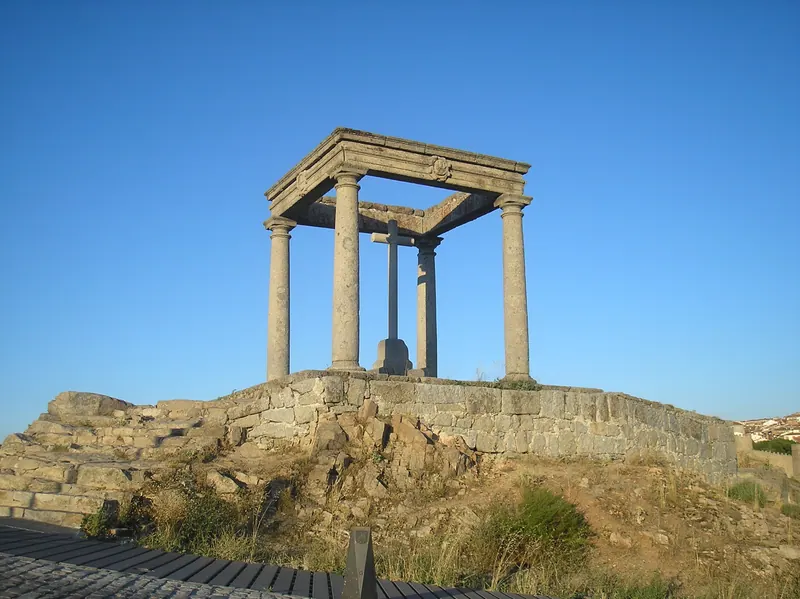
Four Doric columns and a granite cross on the hill west of the Adaja, put up in 1566 — and the only place you can hold the whole north and west face of the wall in one frame. It is free and never closes, so walk out through the Puerta del Puente for the last hour of daylight and stay until the floodlights come on.

Free or cheap Best in the evening Good with children
Walking directions

Tours & workshops

Experience

Night Theatre on the Walls

The wall is 12th-century; the stories run from about 1109 and the generation of El Cid

Ninety minutes on the wall-top walkway after sunset with a guide and five actors, on Wednesdays and Thursdays in July and August only, leaving the Casa de las Carnicerías at 20:30. €12 including entry to the monument — book ahead, and go in knowing it is performed in Spanish.

Best in the evening Good with children
Walking directions
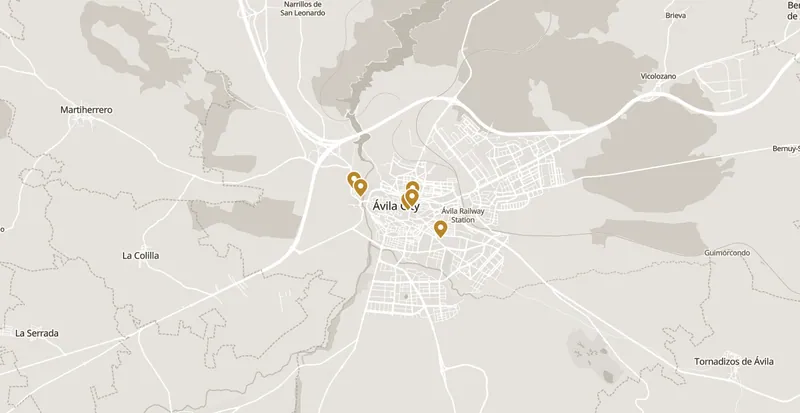
Map of the places worth your time in Ávila
Everything above, on one map. Tap a link to open it in Google Maps on your phone. © MapTiler © OpenStreetMap contributors

More medieval festivals in Spain

All festivals in Spain
Medieval Markets & Fairs Jousting & Tournaments +1

Setmana Medieval de Montblanc

Montblanc, Spain

Montblanc's Setmana Medieval de la Llegenda de Sant Jordi turns the walled Catalan town into a medieval fair over the two weekends around Saint George's Day (23 April), with a free daily market and camp, parades, a night-time dragon show projected on the 14th-century walls and an open-air staging of the Saint George legend, which local tradition sets in Montblanc. Founded in 1987 and declared a festival of national tourist interest, it reached its 39th edition in April 2026.

Expected 2027
Family
Featured
Historic City Celebrations

Corpus Christi in Toledo

Toledo, Spain

On Corpus Christi the 16th-century Custodia de Arfe, a three-metre Gothic tower of gilded silver, is carried out of Toledo Cathedral and through two kilometres of streets hung with awnings and tapestries and strewn with thyme, behind the banners of the city's old confraternities and guilds. Toledo keeps the feast on its traditional Thursday, sixty days after Easter: 4 June in 2026, and 27 May expected in 2027.

Expected 2027
Family

Other medieval cities in Spain: Montblanc · Toledo