York began as the Roman legionary fortress of Eboracum around AD 71; Constantine was proclaimed emperor here in 306, and the Multangular Tower in the Museum Gardens still stands from the Roman wall. In 866 the Viking Great Army took the Anglo-Saxon town of Eoforwic and made it Jorvik, capital of a Scandinavian kingdom until the expulsion of Eric Bloodaxe in 954. The waterlogged Coppergate excavations of 1976–81 recovered houses, workshops, textiles and tens of thousands of objects from this period, and the JORVIK Viking Centre opened on the site in 1984.
The Normans built two castles on the rivers in 1068–69; the stone keep on the larger motte, Clifford’s Tower, dates from the 13th century and marks the spot where York’s Jewish community died in the massacre of March 1190. The city walls, about 3.4 km long and largely 13th–14th century on Roman and Viking foundations, are the longest in England and can be walked almost entirely; their four main gates are Bootham Bar, Monk Bar, Micklegate Bar and Walmgate Bar, the last with the only surviving barbican on an English town gate.
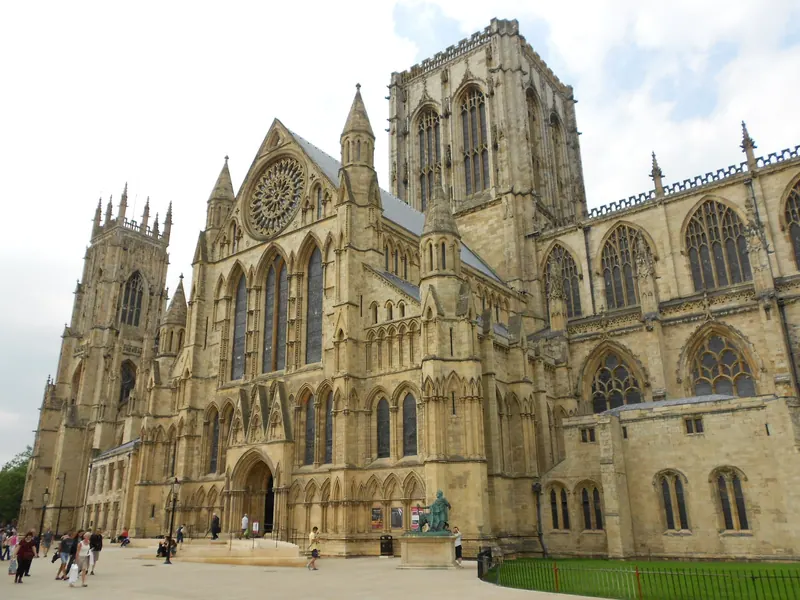
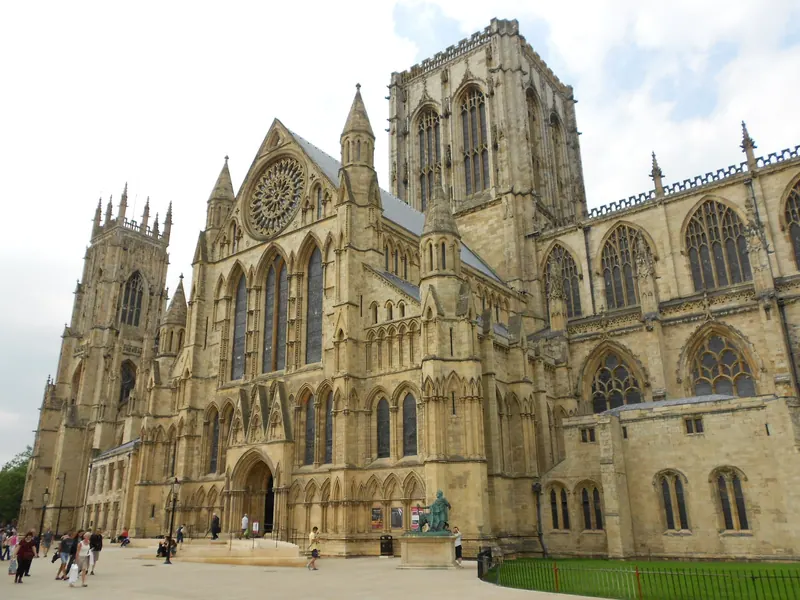
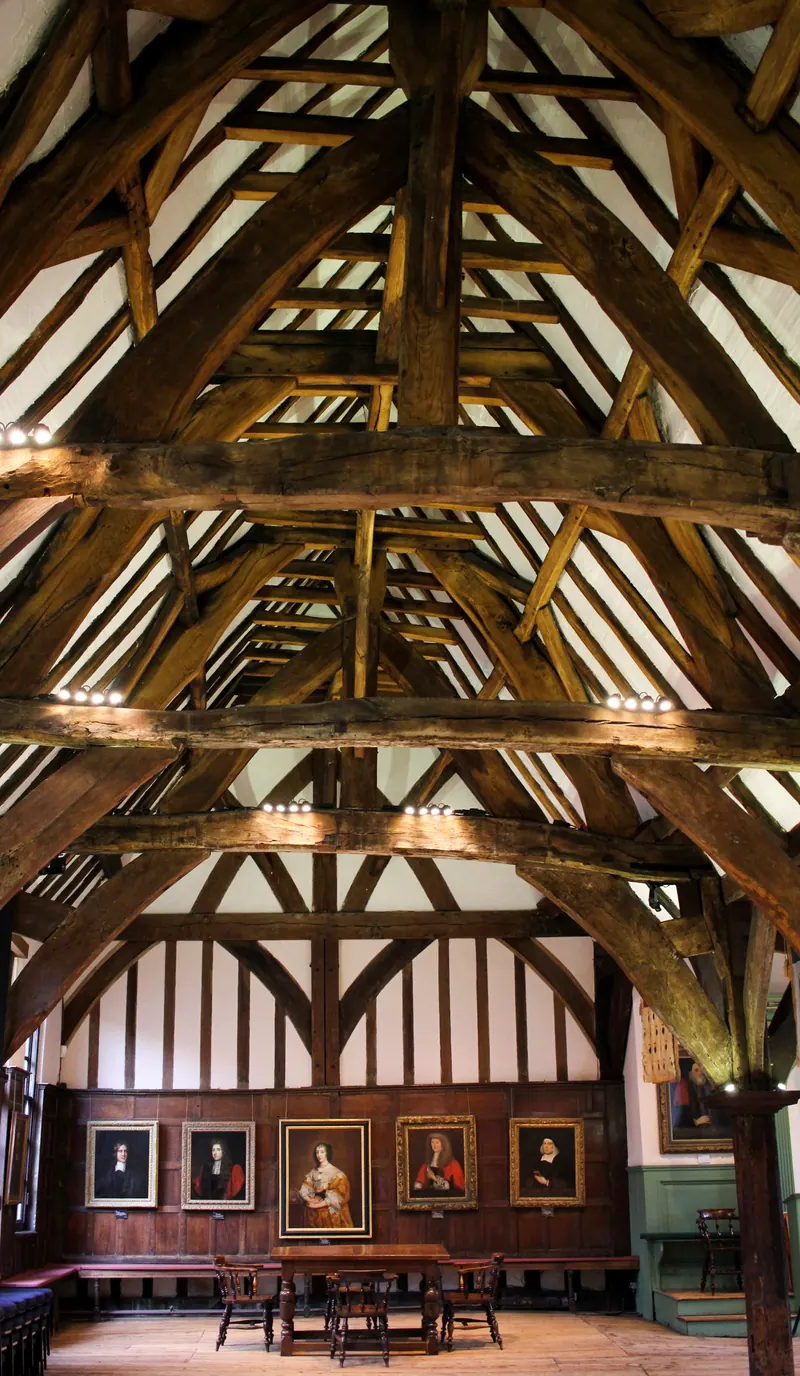
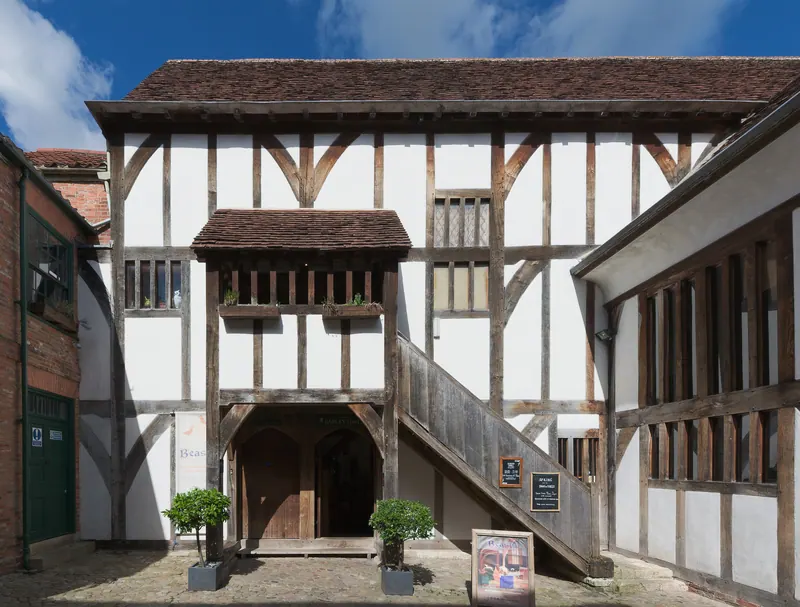
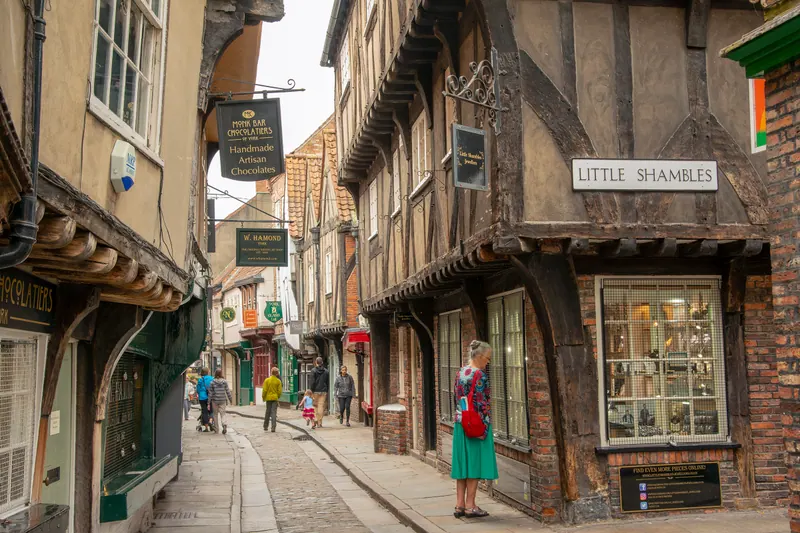
York Minster was built between about 1220 and 1472 and is the largest Gothic cathedral in northern Europe; its Great East Window (1405–08) is the biggest expanse of medieval stained glass in Britain. Around it survives a dense medieval townscape: the Shambles, a street of overhanging 14th–15th-century butchers’ shops; the Merchant Adventurers’ Hall (1357–61); the restored townhouse of Barley Hall; the Guildhall; and a score of medieval parish churches. The York Mystery Plays, performed by the guilds from the 14th century, were revived in 1951.
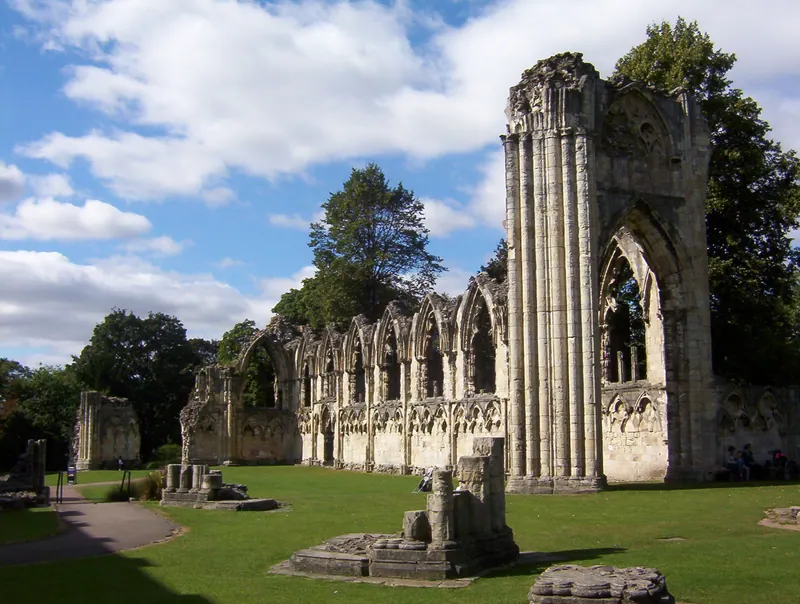
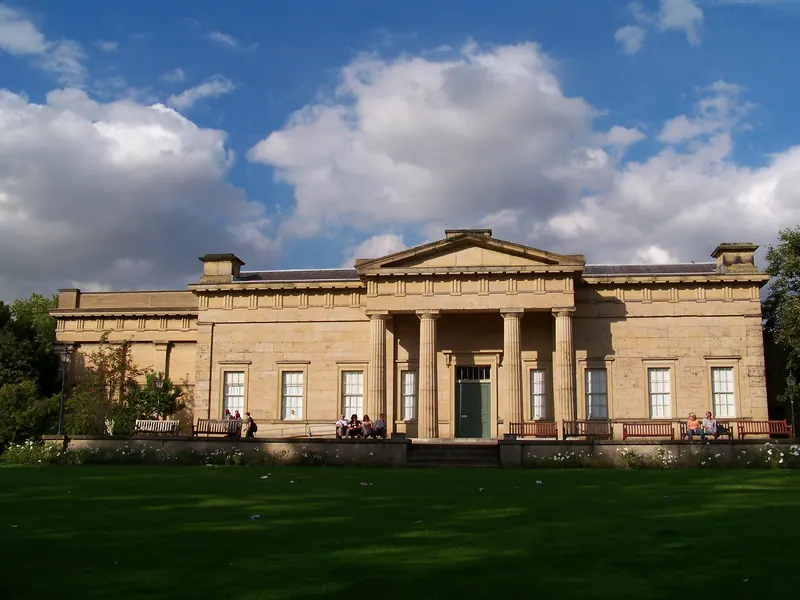
York is about two hours from London King’s Cross by train and well under an hour from Leeds. The JORVIK Viking Festival fills the centre every February half-term, and the Yorkshire Museum, JORVIK, Barley Hall and the Minster undercroft cover the Roman, Viking and medieval layers in turn.