Medieval Booker

Museum ◆ Tallinn

Estonian History Museum in the Great Guild Hall

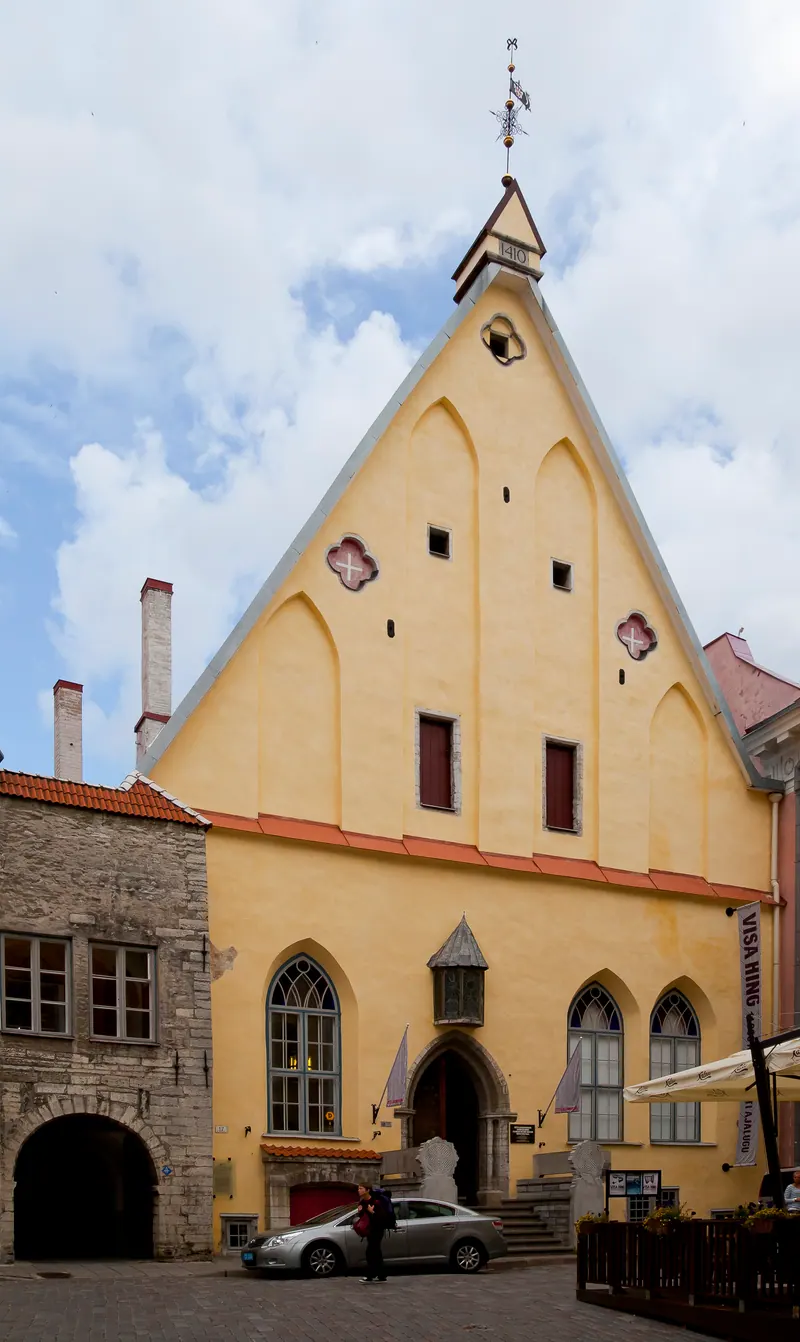
The merchants' guild hall of 1410, one vast vaulted room off Pikk street, now the Estonian History Museum — with the largest collection of weapons in the country in its Armoury Room. Go down to the cellar: the excavation of 2010 exposed the walls of the earlier building and medieval wells under the floor.

Where and when

Where
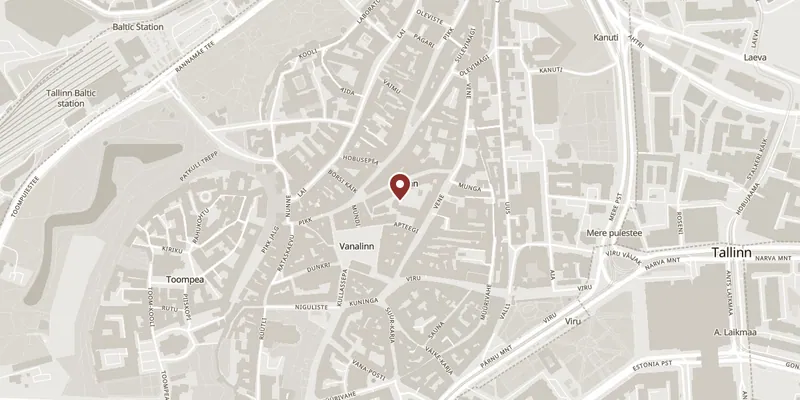
Pikk 17, 10123 Tallinn, Tallinn, Estonia Open in Google Maps Walking directions
Era
Guild hall completed 1410; wine cellar Das Süsse Loch from 1437
Opening
Tuesday–Sunday 10:00–18:00, closed Mondays; last admission 17:30 (as of August 2026)
Price
€14 adult / €9 concession (seniors, students, schoolchildren, ISIC, ITIC, IYTC) / €28 family (two adults with children). Children up to and including 8 free; 10% off the adult price for groups of ten or more. Free with the Tallinn Card or Estonian Museum Card, and free on 19 February and 18 May (as of August 2026)
Best time
A weekday afternoon, and give it two hours. Arriving after 17:00 will get you turned away at 17:30.
Good for
Works in the rainGood with children
Official site
ajaloomuuseum.ee
Map showing where Estonian History Museum in the Great Guild Hall is
Open in Google Maps Walking directions © MapTiler © OpenStreetMap contributors

Checked

What is Estonian History Museum in the Great Guild Hall?

The Great Guild was the corporation of the lower town’s merchants, the men who controlled the council and therefore the town. Their hall on Pikk street was finished in 1410: a wide, two-aisled Gothic room on stout piers, built to hold the guild’s feasts, elections and courts, with cellars beneath and a stepped gable to the street. It is one of the most complete surviving medieval guild halls anywhere on the Baltic and was among the first buildings in Europe given the European Heritage Label, in 2014.

It now holds the Estonian History Museum’s permanent displays, and they are unusually well matched to the building. The Splendour of the Hanseatic League covers the merchant trade that paid for the hall — what went west, what came east, and how a Reval merchant actually lived. Power of the Elite, in the basement rooms, is about the Great Guild itself: who was admitted, what it cost, and how the guild ran the town. Striking It Rich?! is the numismatic collection, coins and other means of payment used in Estonia across the centuries — bracteates, thalers, hoards.

The room our readers will want is the Armoury (Relvakamber), which the museum describes as the largest collection of weapons in Estonia: edged weapons, firearms and armour. There is also a Chamber of Legends aimed squarely at children.

The cellar is the sleeper. Archaeological excavation in 2010 uncovered the walls of the building that stood here before 1410 and medieval wells, and they are shown in situ under the museum floor. From 1437 the guild’s cellar was leased out as a wine tavern known as Das Süsse Loch, the “sweet burrow” — the drinking hole of the medieval town’s establishment, and it is written into the display.

It is a hundred metres from Town Hall Square, open Tuesday to Sunday, and last admission is thirty minutes before it shuts.
What visitors say

4.4 from 881 ratings

  • Kara Lyons-Pardue

    5 out of 5 3 months ago

    For English-speaking visitors, pretty ignorant of Estonian history, this was a terrific introduction. Interesting exhibits, concise and excellently-done videos, lots of interactive learning games for kids. We have seen “Hanseatic” all throughout Germany, but now I understand the collective of merchants so much better. Thank you!

    Read this review on Google
  • Paul Ciprian

    3 out of 5 7 months ago

    A history museum, housed in a very old, massive building, with interesting interior architecture. They have an interesting numismatic exhibition, as well as an interesting weapons collection, although I didn't like that it's not focused only on old, medieval weapons, but there are also weapons from the modern era, like the AKM-47. The Chamber of Legends exhibition is also interesting, although not very large, a selection of household objects (but not only) crafted exceptionally beautifully. Also, the temporary mirror exhibition is interesting. Unfortunately, what should be the highlight of the visit, the large hall that gives the museum its name, houses a temporary exhibition whose organization doesn't allow you to appreciate the beauty of the hall itself. The exhibits are arranged in some cylindrical structures because of which you cannot have an overall view of the hall. The curator's vision is strange and unfortunate, from my point of view. You need about 45 minutes to an hour to visit the museum.

    Read this review on Google
  • Wies De Vos

    4 out of 5 9 months ago

    Well worth a visit. Lots of interesting objects from the history of Tallinn. Saw a great, well curated exhibition about the Hansa and the life of medieval merchants, which sadly blocked the view of the actual Guild Hall.

    Read this review on Google

Ratings and reviews from Google. See all on Google Maps

Frequently asked questions

How much is the Estonian History Museum at the Great Guild Hall?

€14 adult, €9 concession, €28 family as of August 2026. Children up to and including 8 enter free, and entry is free with the Tallinn Card or Estonian Museum Card.

How old is the Great Guild Hall in Tallinn?

It was completed in 1410 as the hall of the Great Guild, the merchants' corporation that dominated the lower town's council. It received the European Heritage Label in 2014.

Is there armour and weaponry on display?

Yes. The Armoury Room holds what the museum describes as the largest collection of weapons in Estonia, alongside permanent displays on the Hanseatic League, the Great Guild itself and Estonian coinage.

What is in the cellar of the Great Guild Hall?

Walls of the pre-1410 building and medieval wells found in the 2010 excavation, shown in place, plus the display on the guild's wine cellar Das Süsse Loch, leased out from 1437.

When is the Great Guild Hall open?

Tuesday to Sunday, 10:00–18:00, closed Mondays, with last admission at 17:30, as of August 2026.

Festivals in Tallinn

Medieval festivals in Tallinn
Featured
Living History & Museums Music, Feasts & Theatre +1

Tallinn Old Town Days (Tallinna Vanalinna Päevad)

Tallinn, Estonia

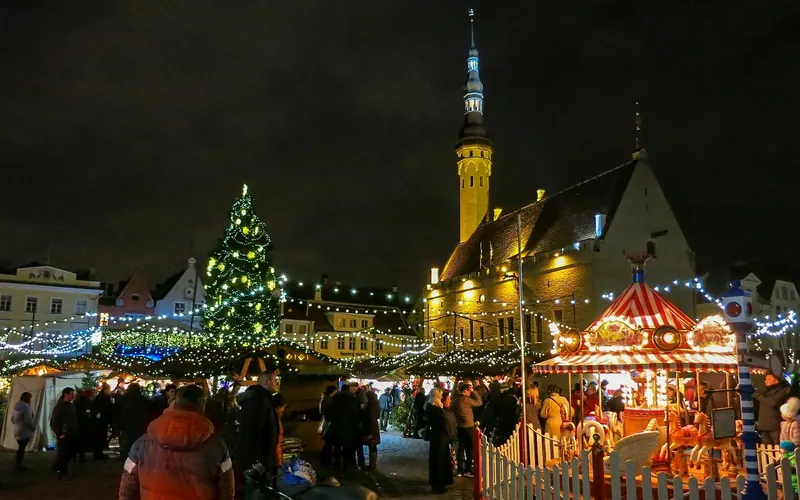
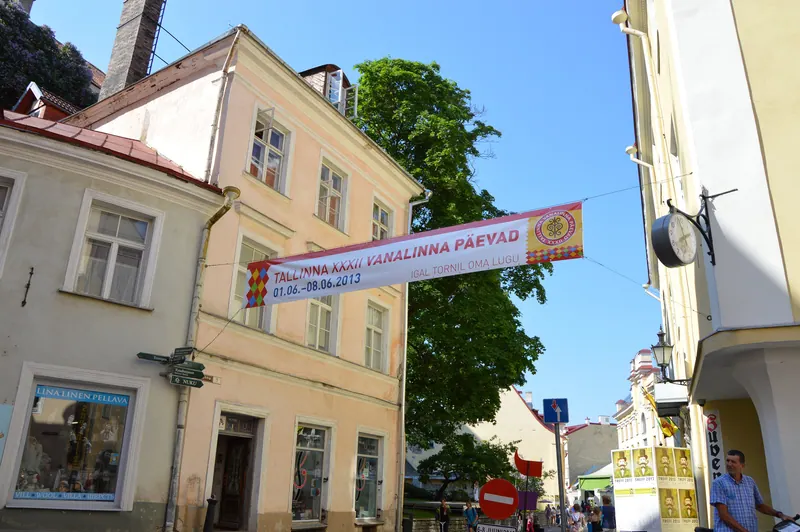
Tallinn Old Town Days is the Estonian capital's annual early-summer city festival, held since 1982, when around 300 mostly free concerts, performances, tours, workshops and open-door visits fill the streets, courtyards and towers of the UNESCO-listed medieval Old Town. The 2026 edition ran from 5 to 7 June with theatre and the performing arts as its theme.

Expected 2027
Family

More places in Tallinn

Places in Tallinn
Museum Start here

Niguliste Museum (St Nicholas' Church)

Church begun in the 13th century; Notke's Danse Macabre late 15th century; Rode altar 1478–81

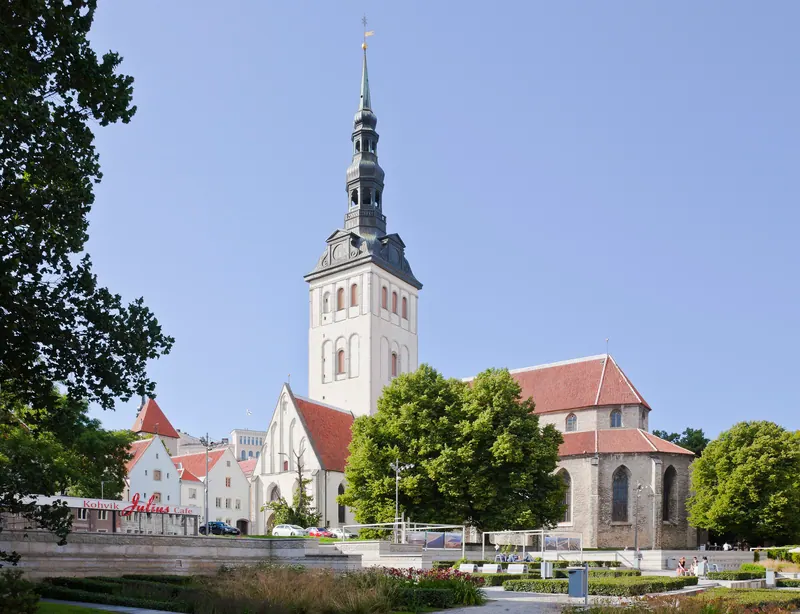
A 13th-century merchants' church, burnt out in 1944 and rebuilt as the national museum of medieval church art, holding the only surviving Danse Macabre from Bernt Notke's workshop. Go at 13:00, when the audio presentation on the Dance of Death runs, and stay for the 16:00 organ half-hour at the weekend.

Works in the rain Quiet corner
Walking directions
Landmark

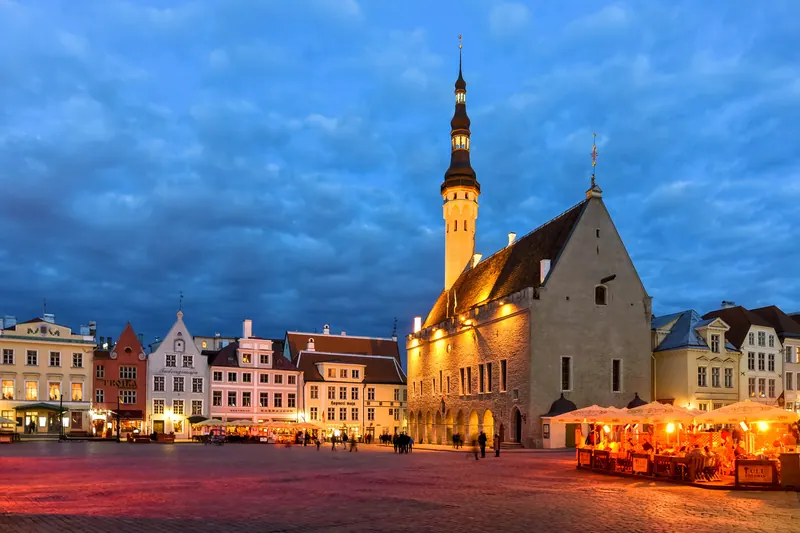
Tallinn Town Hall

Rebuilt 1402–04; Old Thomas on the spire since 1530

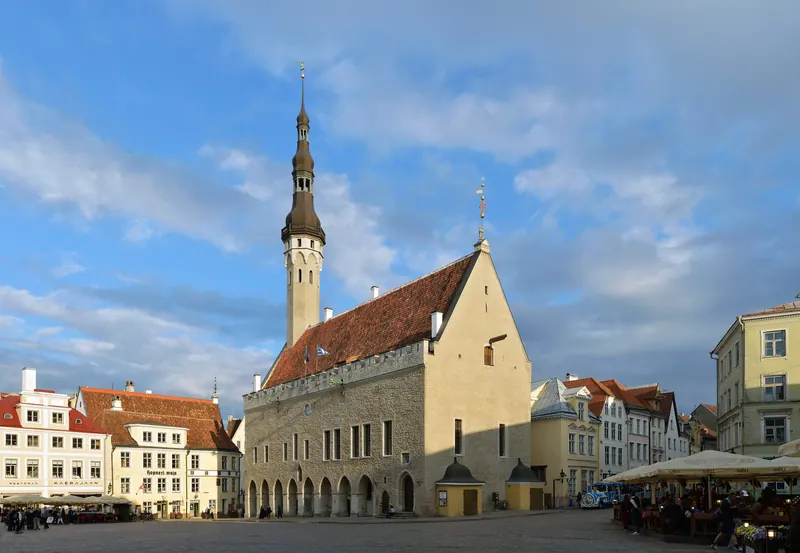
Rebuilt into the two-storey Gothic building you see in 1402–04, and the only intact Gothic town hall left in northern Europe. Come between 1 June and 31 August, the only stretch of the year you can walk in without an appointment, and find the carved bench ends of 1371–74 in the Council Hall.

Good with children Works in the rain
Walking directions
Castle

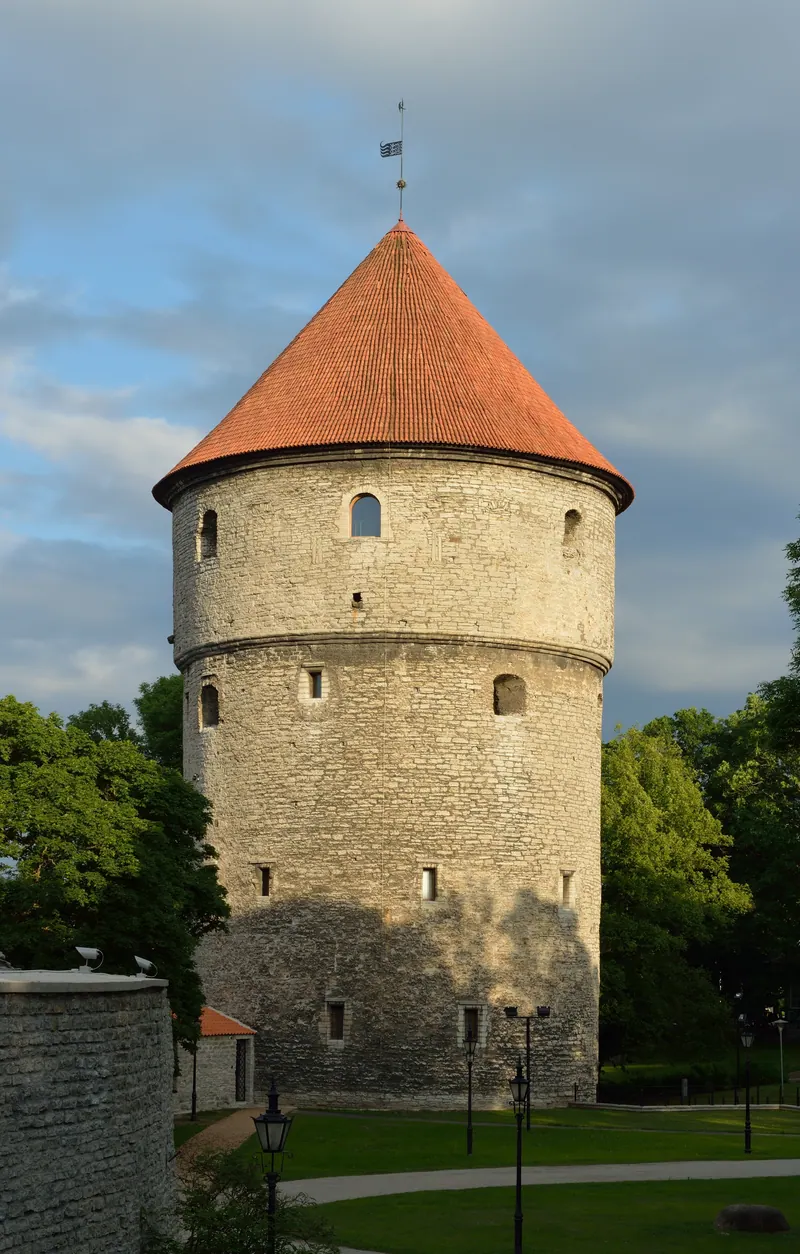
Kiek in de Kök and the Bastion Passages

Artillery tower completed 1483; bastion passages late 17th–early 18th century

Tallinn's first artillery tower, completed in 1483 and still the tallest thing in the city's defences, now the hub of a four-tower fortification museum joined to the bastion tunnels dug under the earthworks. Buy the whole-museum ticket and take a jacket: the passages sit at 10–12 °C in August as well as January.

Good with children Works in the rain
Walking directions
All articles