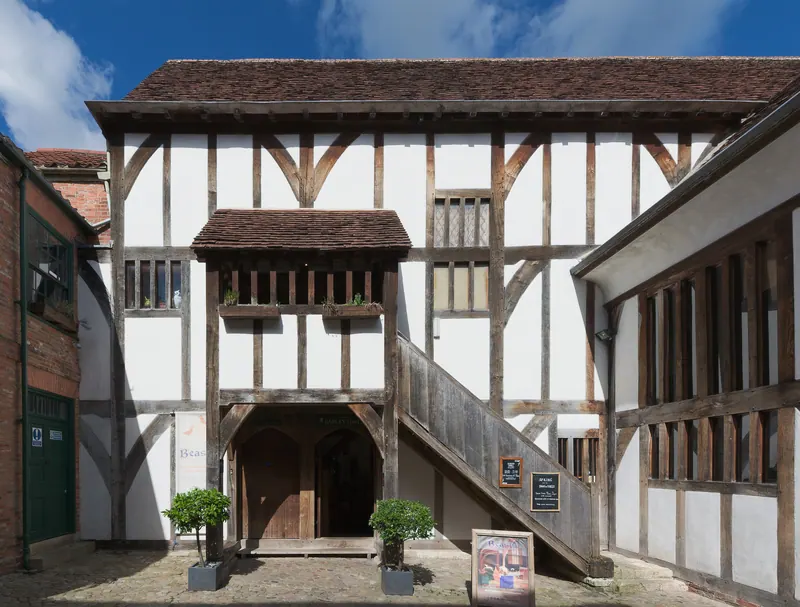
The oldest part went up about 1360, built by Thomas de Dereford, prior of Nostell near Wakefield, as the priory’s town lodging in York. A new wing and a rebuilt great hall followed around 1430. By the 1460s the priory was renting the place out, and its tenant was William Snawsell — goldsmith, alderman and Lord Mayor of York — who paid 53 shillings and 4 pence a year for it and had moved out by 1489.
Then it disappeared. The house was subdivided, bricked over and by the 20th century was working as a plumber’s premises; the medieval frame inside was only recognised in 1980, with demolition already in prospect. The York Archaeological Trust bought it in 1987, took the later work off and rebuilt from 1990, opening it as a museum in the early 1990s. Be clear about what that means: only about 30% of the original timbers were sound enough to reuse, and the rest of what you see is new oak on the medieval plan. The reconstruction was attacked at the time — the Society for the Protection of Ancient Buildings called it a contribution to Disneyland heritage — and you should know that before you go in rather than after.
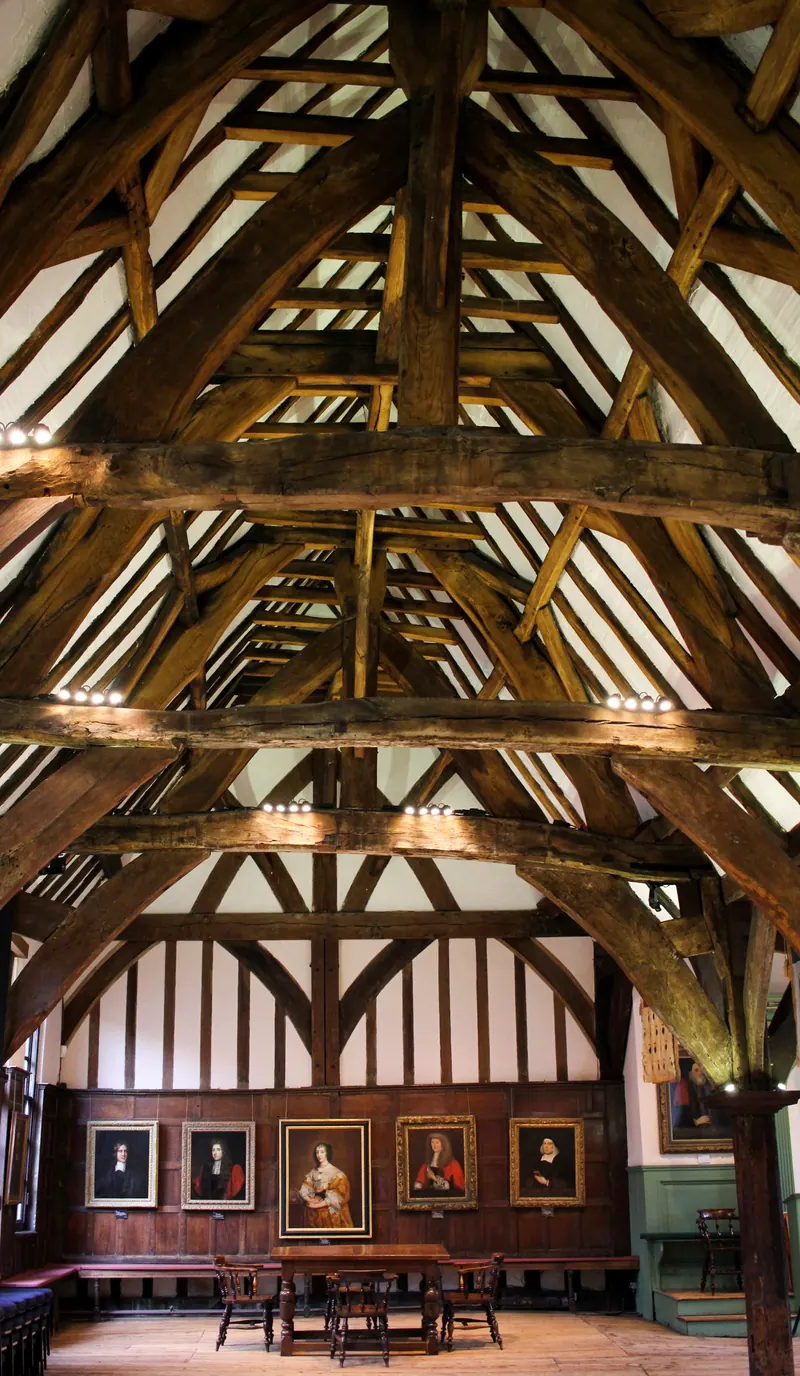
What it buys you is a medieval interior you are allowed to use. The rooms are dressed as the Snawsell household of about 1483, worked up from an inventory of 1478: the great hall with its screens and high table, the parlour, the buttery, the pantry. Nothing is roped. You can sit on the chairs, handle the vessels and pick up the objects, which no other medieval building in York lets you do and which changes what children get out of an hour indoors.
The thing to find is the horn window in the great hall — the opening is filled with long, thin slices of cattle horn rather than glass, translucent and butter-coloured, and it is described as possibly the only surviving example in England. Stand inside and look at the quality of the light; that is what a 15th-century room actually felt like.
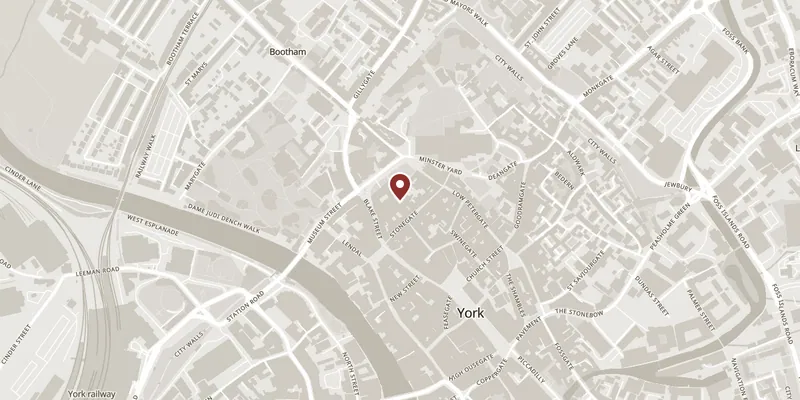
Getting in is the other catch. The entrance is on Coffee Yard, a snickelway running off Stonegate, and it is easy to walk past three times. York Archaeology, which also runs JORVIK and DIG, sells a Pastport ticket covering all three, and a single Barley Hall ticket gives free re-entry for twelve months. Part of the house is given to a changing exhibition. Allow 45 minutes.