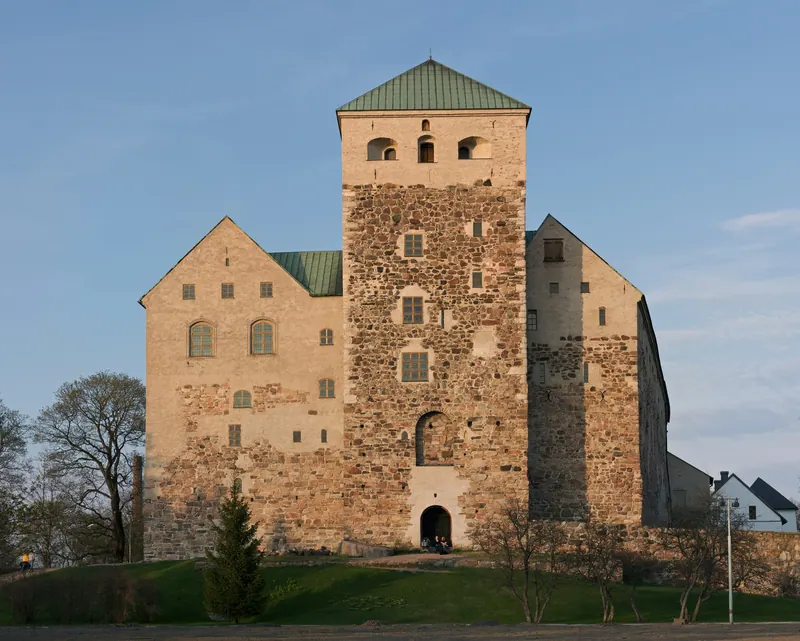
Start with what this is not. Luostarinmäki is not medieval. The houses are 18th and 19th century, more than two hundred years old, and the earliest documented residents — a cobbler, sailors, plank carriers, packers and guards — are of the 1700s. If you came to Turku for the Middle Ages, the castle and Aboa Vetus are where the Middle Ages are.
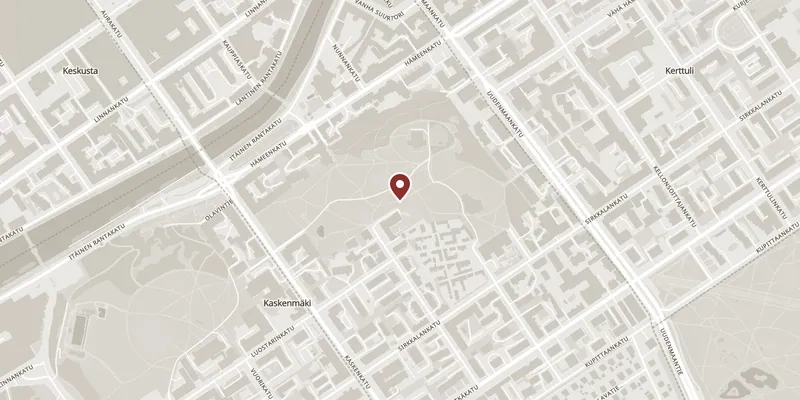
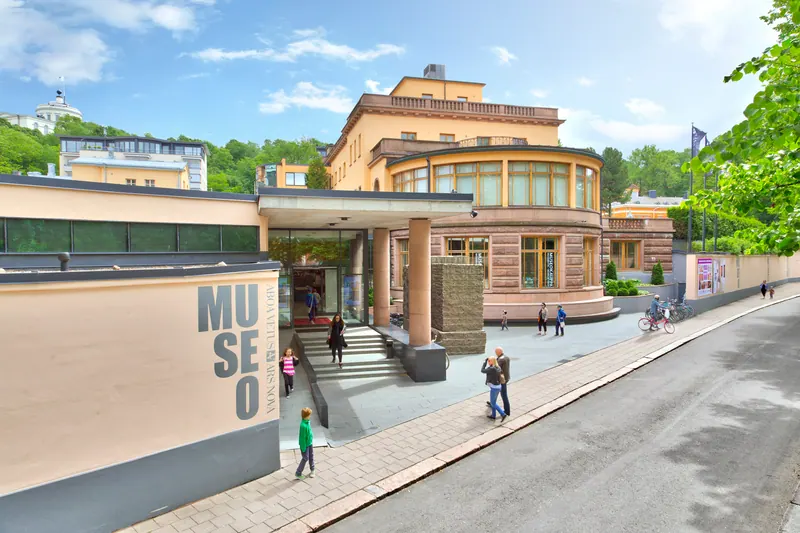
What it is, is the exception to the thing that explains modern Turku. In September 1827 a fire destroyed most of Finland’s oldest city; the centre you walk through today is a 19th-century grid laid over the ashes. Luostarinmäki, up the slope on the east bank, is the only continuous district of wooden houses that escaped it, and the buildings are still on the plots they were built on. Walking the yards and passages between them is the closest anyone can now get to the shape of the town that burned — narrow, wooden, dense and low. The museum’s own Luostarinmäki 1827 display fills in the rest with 360-degree reconstructions of the streets that went.
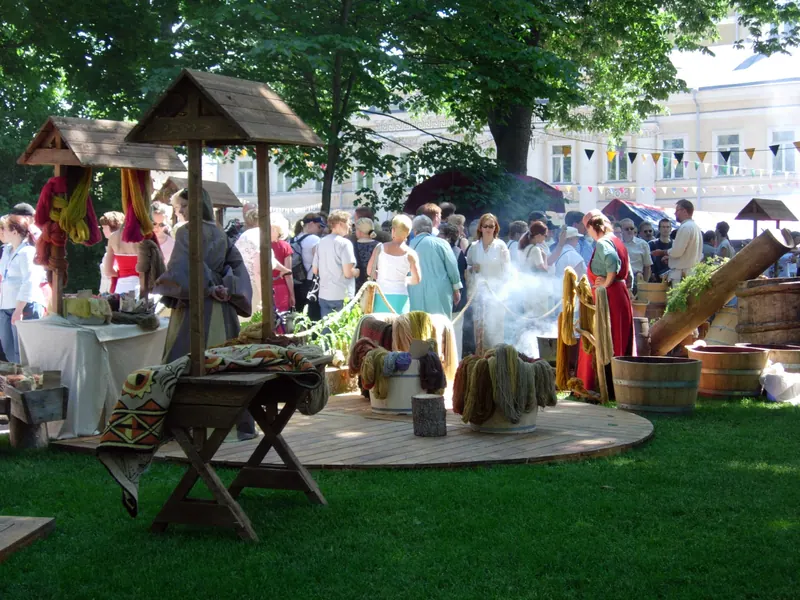
The craft is the second reason, and it is the one that matters for anyone who cares about how pre-industrial towns actually worked. The quarter is laid out as artisans’ dwellings with their workshops, and in summer the workshops are in use: goods are made on site and sold, from hand-thrown pottery to silver jewellery. There is also a mid-19th-century huckster’s shop selling sweets in paper cones, which is the correct thing to do with children at the halfway point.
The season is the catch and it is severe. Luostarinmäki opens 1 June to 20 September and then again only 8–31 December for Christmas. From 21 September to 7 December, and for the whole of January to May, it is shut. It is also closed on Mondays all year, as Turku Castle is — Aboa Vetus is the Monday answer.
Adult admission is €12, which is the cheapest substantial site in this list, and it is free on the Finnish Museum Card.