Medieval Booker

Museum ◆ Turku

Aboa Vetus Ars Nova

The only archaeological museum in Finland: a block of medieval cellars and one of Turku's main medieval streets, excavated under the Rettig Palace and left exactly where they were found. Ask for the €14 Aboa Vetus-only ticket if you do not want the contemporary art half, and come on a Monday, when the castle and Luostarinmäki are shut and this is open.

Where and when

Where
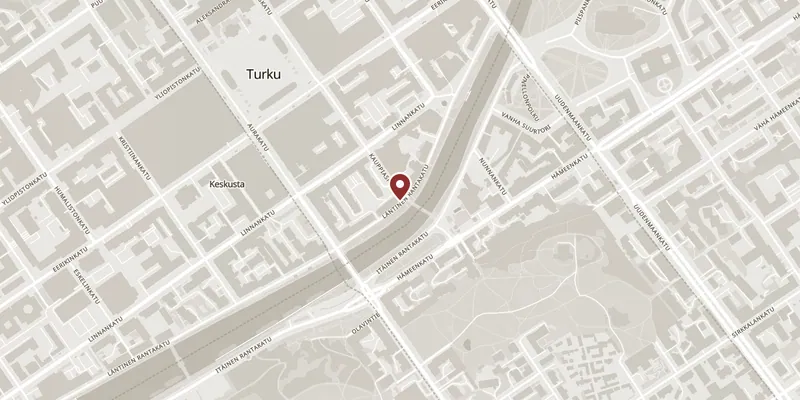
Itäinen Rantakatu 4–6, 20700 Turku, Turku, Finland Open in Google Maps Walking directions
Era
Medieval Convent Quarter; merchant-house cellars of the 14th and 15th centuries, excavated in the early 1990s and shown in situ
Opening
Daily 11:00–18:00, including Mondays; ticket sales close 20 minutes before. Closed in 2026 on 3–6 April, 30 April–1 May, 19–21 June, 6 December, 24–26 December and 31 December–1 January (as of August 2026)
Price
€20 for both museums, €14 for Aboa Vetus alone, €14 student/pensioner/unemployed, €8 child 7–15, under 7 free, €40 family (1–2 adults + children under 15). Free with the Finnish Museum Card (as of August 2026)
Best time
A Monday, when Turku Castle and Luostarinmäki are both closed and this is not. Allow about 90 minutes for the ruins.
Good for
Works in the rainGood with children
Official site
avan.fi
Map showing where Aboa Vetus Ars Nova is
Open in Google Maps Walking directions © MapTiler © OpenStreetMap contributors

Checked

What is Aboa Vetus Ars Nova?

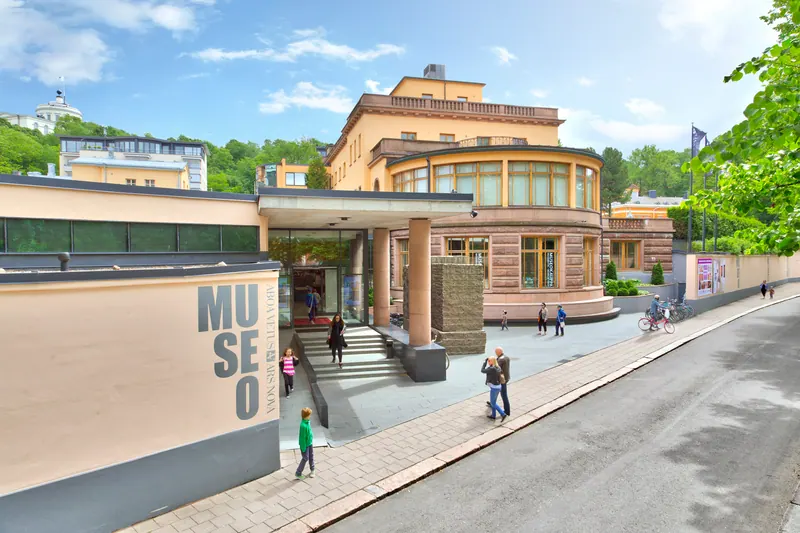
This museum exists by accident. In the early 1990s a contemporary art museum was being built into the Rettig Palace on the river bank; the excavation for it hit medieval structures, the rescue dig grew, and what was going to be one museum opened in 1995 as two. Ars Nova is the contemporary art. Aboa Vetus is the hole in the ground, and it is the only archaeological museum in the country.

What is down there is the Convent Quarter (Luostarikortteli), a district of wealthy merchants and craftsmen who could afford to build in stone and brick when most of Turku was wood. The cellars date from the 14th and 15th centuries. The Convent Riverfront, one of the main streets of the medieval town, still runs through the museum area — you walk along a medieval street inside a building, which is a strange thing to be able to do anywhere.

The curatorial decision that makes it worth the ticket is that the remains were kept as they were found. Nothing has been tidied into a reconstruction. Later layers sit on top of earlier ones and were accepted as part of the display, so you are reading a section through six hundred years rather than looking at a model of one moment.

This is also the clearest answer in Turku to the question of where the medieval town went. The museum’s own account is blunt: after the Great Fire of 1827 the city was rebuilt to a new plan and the ruins of the medieval town were buried underground. Above ground almost nothing survives; below ground, this block does, because it was sealed under the new street level rather than cleared.

The finds on show are domestic and specific — fragments of the glazed ceramic tiles of stoves, splinters of expensive imported glass, animal bone from kitchen waste, and a gold ring somebody lost. The permanent exhibition Aboa Vetus – Old Turku was relaunched on 1 April 2025, alongside Bony Tales & Botanical Garden, which is built on the bone and plant evidence from the site.

There is a restaurant, Brunndeli, in the building, open the same hours as the museum.
What visitors say

4.4 from 2,490 ratings

  • Kedarnath Awati

    5 out of 5 2 months ago

    The archeologiical museum visit was truly memorable. The entry fee is 14 euros but if you are an artist you get in for free. The top attraction here in s a wonderful portrayal in oak of The Madonna Child with St. Anne.

    Read this review on Google
  • Alina Martha Muresan

    5 out of 5 2 months ago

    Aboa Vetus Ars Nova is a unique museum in Turku that combines two very different themes in one complex: ⭐️ Aboa Vetus (“Old Turku”) – an archaeological museum built around the ruins of an authentic medieval quarter of the city. ⭐️ Ars Nova (“New Art”) – a contemporary art museum with Finnish and international exhibitions. 🔝The museum is located on the banks of the Aura River and is housed in a historic building known as Rettig Palace. In the Aboa Vetus section, you can descend below the current level of the city and explore medieval streets and foundations of houses from the 14th–16th centuries; In the Ars Nova section, you can find collections of modern and contemporary art. ✅ The museum is considered one of the most important cultural attractions in Turku because it offers, in the same visit, a mixed experience. Visited May 2026

    Read this review on Google
  • Yijie Xu

    3 out of 5 8 months ago

    As an archaeological museum, it is okay, with a very strong focus in Turkus history. If you were hoping for more natural history, you will be sorely dissapointed. The art museum component is relatively small however, and there are better art museums near by. Dont forget to visit the second floor! I would not put this down as must-visit, particularly given the 20 eur entrance fee.

    Read this review on Google

Ratings and reviews from Google. See all on Google Maps

Frequently asked questions

What is Aboa Vetus?

The archaeological half of the Aboa Vetus Ars Nova museum: the excavated cellars and street of medieval Turku's Convent Quarter, left in place under the Rettig Palace and shown in situ. Ars Nova, in the same building, is a contemporary art museum.

How were the medieval ruins found?

By accident. In the early 1990s a contemporary art museum was being built into the Rettig Palace and the construction work hit medieval structures. The rescue excavation became a second museum, and both opened in 1995.

How much does Aboa Vetus cost?

€14 for Aboa Vetus alone or €20 for both museums as of August 2026, with children 7–15 at €8, under-7s free and a family ticket at €40. Entry is free with the Finnish Museum Card.

Is Aboa Vetus open on Mondays?

Yes. It opens daily 11:00–18:00, which makes it the answer to a Monday in Turku, when Turku Castle and Luostarinmäki are both closed.

What can you actually see in the ruins?

Stone and brick cellars of 14th- and 15th-century merchant houses, kept as they were excavated with the later layers left visible, and the Convent Riverfront — one of medieval Turku's main streets — still running through the museum area.

Festivals in Turku

Medieval festivals in Turku
Featured
Medieval Markets & Fairs Living History & Museums +1

Turku Medieval Market

Turku, Finland

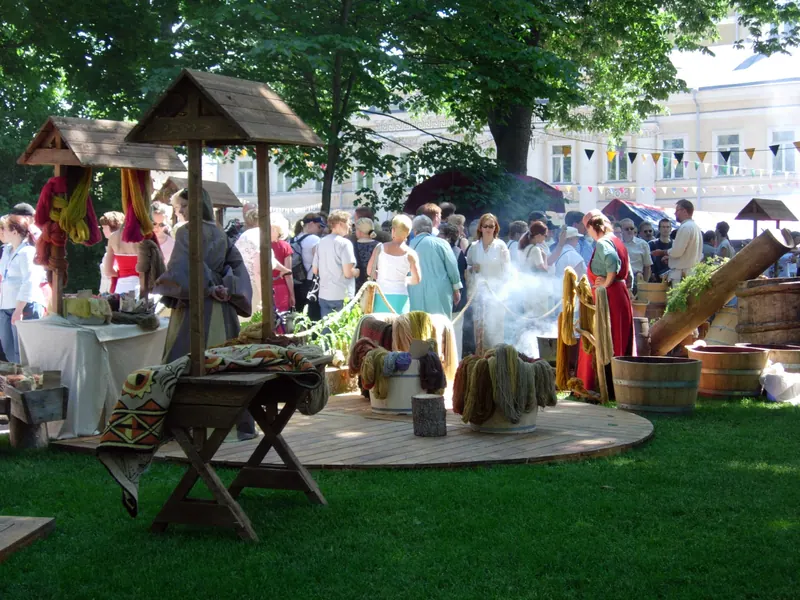
The Medieval Market of Turku fills the Old Great Square and surrounding streets with four days of free market stalls, craft demonstrations, music and a daily street play every year at the end of June. Held since 1996, it is Finland's largest medieval event, with attendance reported at well over 100,000.

Expected 2027
Free Family

More places in Turku

Places in Turku
Castle Start here

Turku Castle

Begun c. 1280; keep finished early 15th century; Renaissance bailey and floors 1556–63

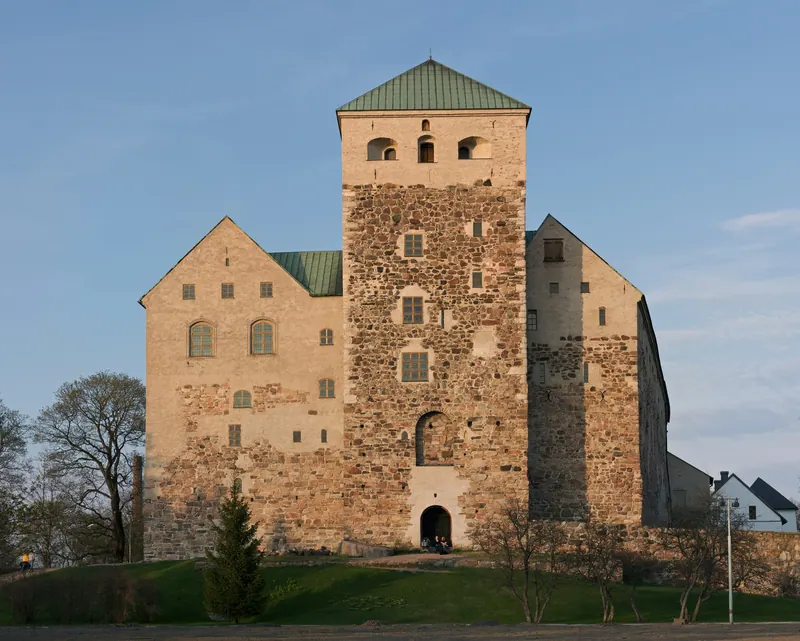
Begun about 1280 at the mouth of the Aura and the largest surviving medieval building in Finland: a grey granite keep with a Renaissance bailey built around it in the 16th century. Find the Nun's Chapel in the old castle — it holds a 14th-century painting of the Virgin by the Master of Lieto, the oldest object in the building.

Good with children Works in the rain
Walking directions
Church

Turku Cathedral

Consecrated 17 June 1300; enlarged through the 15th century; tower rebuilt after the Great Fire of 1827

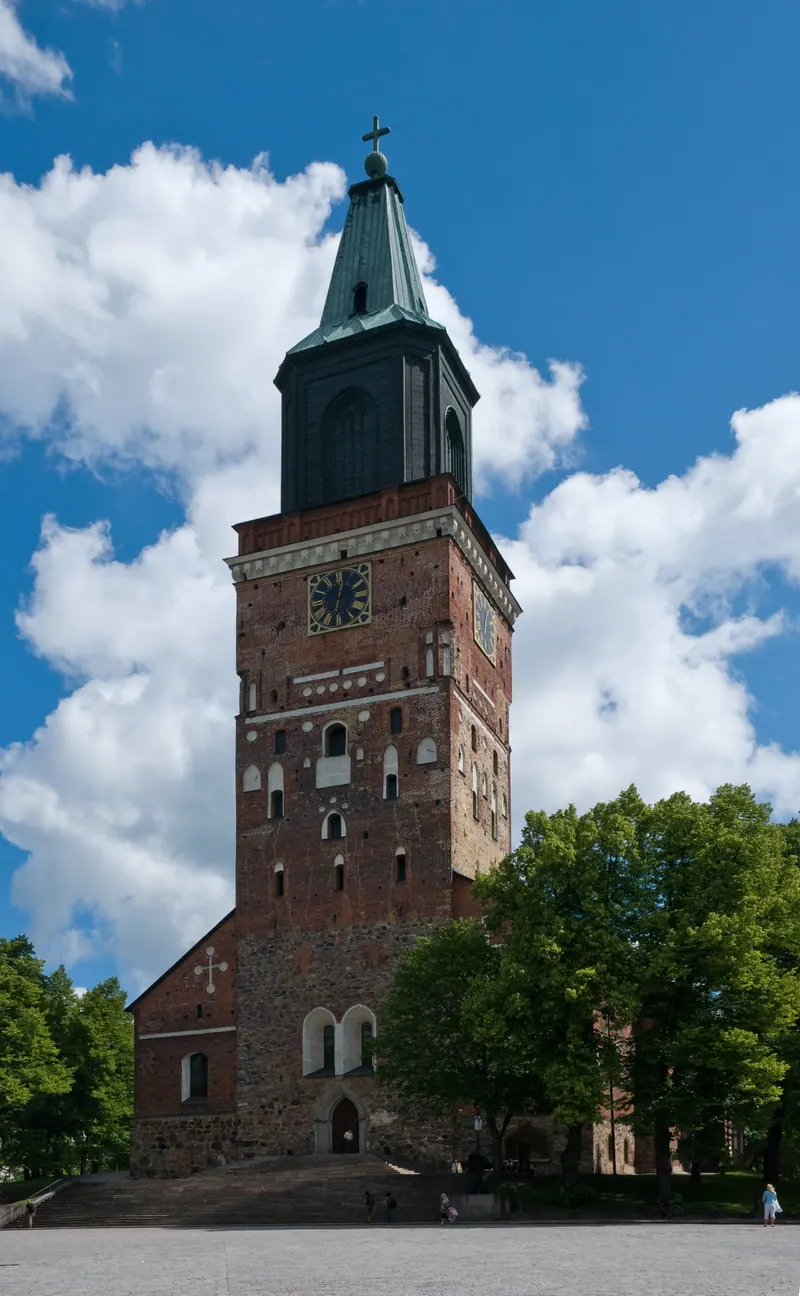
Finland's national shrine, consecrated on 17 June 1300, and closed. The whole building is shut to visitors from 9 February 2026 until 2 December 2028 for a full renovation, so plan on the outside of it and nothing more.

Free or cheap
Walking directions
Church

St Catherine's Church, Nummi

Parish first recorded 1309; present greystone church built 1440s–1450s; vault paintings c. 1470–1490

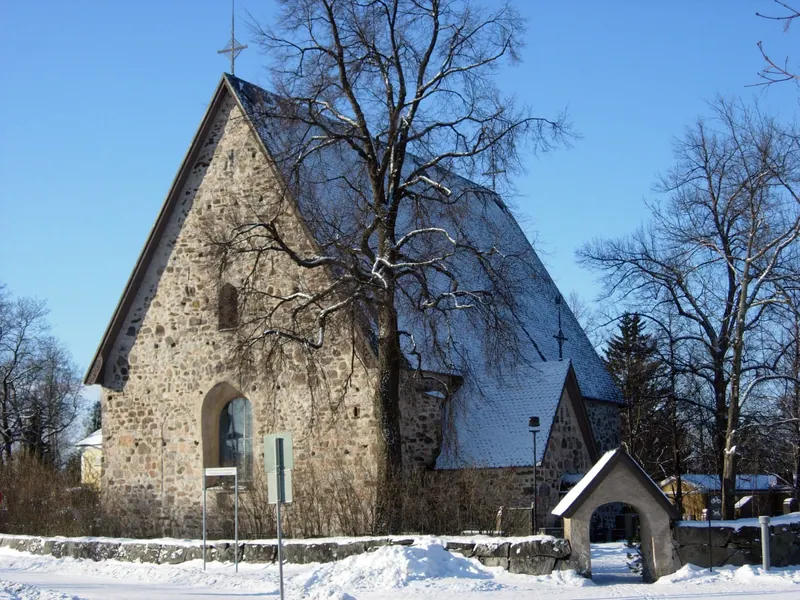
A medieval greystone parish church north-east of the centre, well outside the 1827 fire zone, with vault paintings of about 1470–1490 and a wooden St Catherine of Alexandria carved in the 14th century. It opens as a road church with a guide on duty from 8 June to 7 August 2026, weekdays 12:00–17:00 only — outside that window you will find the door locked.

Free or cheap Quiet corner
Walking directions