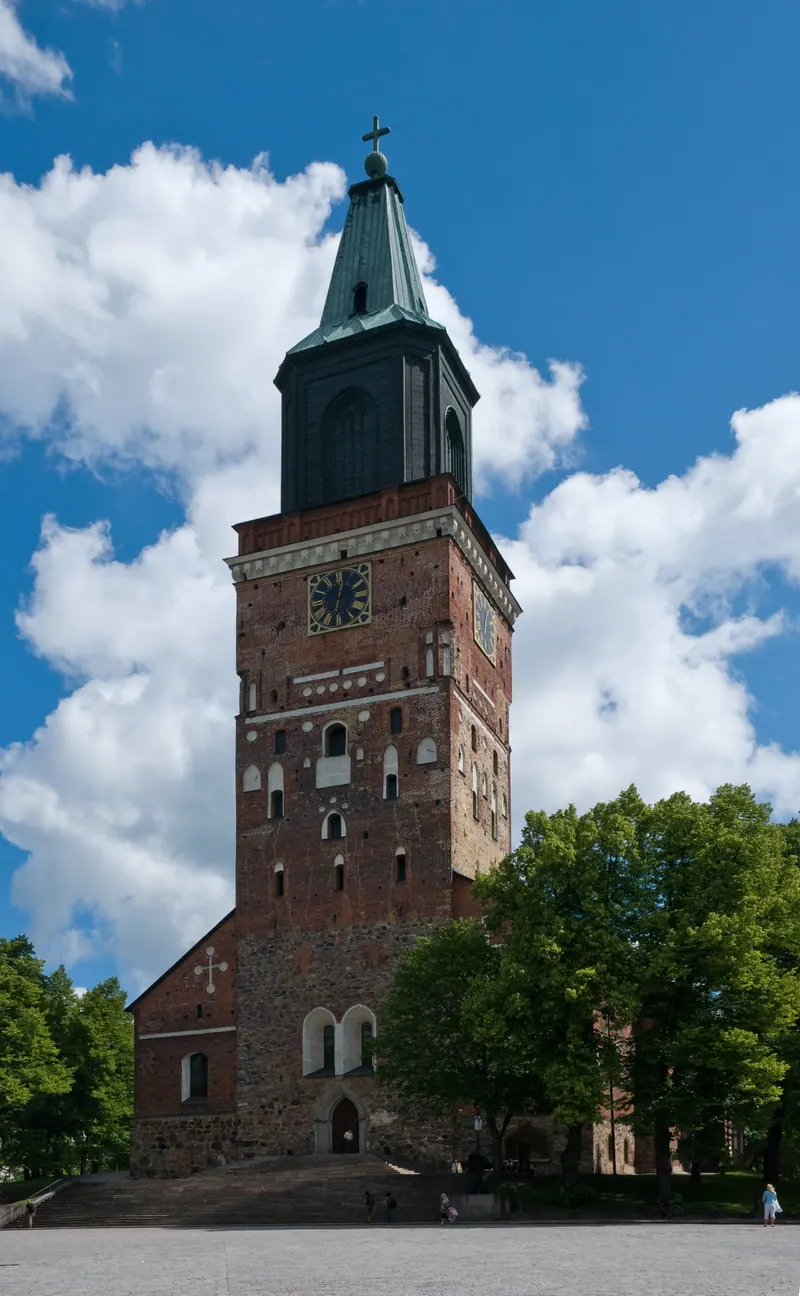
The island of Kuusisto was a bishop’s residence by the 1290s, and the stone castle on it was probably built in the early 14th century. It was the stronghold and country seat of the bishops of Turku right through the Middle Ages — fifteen Catholic bishops used it — as distinct from the cathedral in the town and the king’s castle at the river mouth. Three buildings, three powers, all within twenty kilometres of each other: that is the political map of medieval Finland, and this is the corner of it that lost.
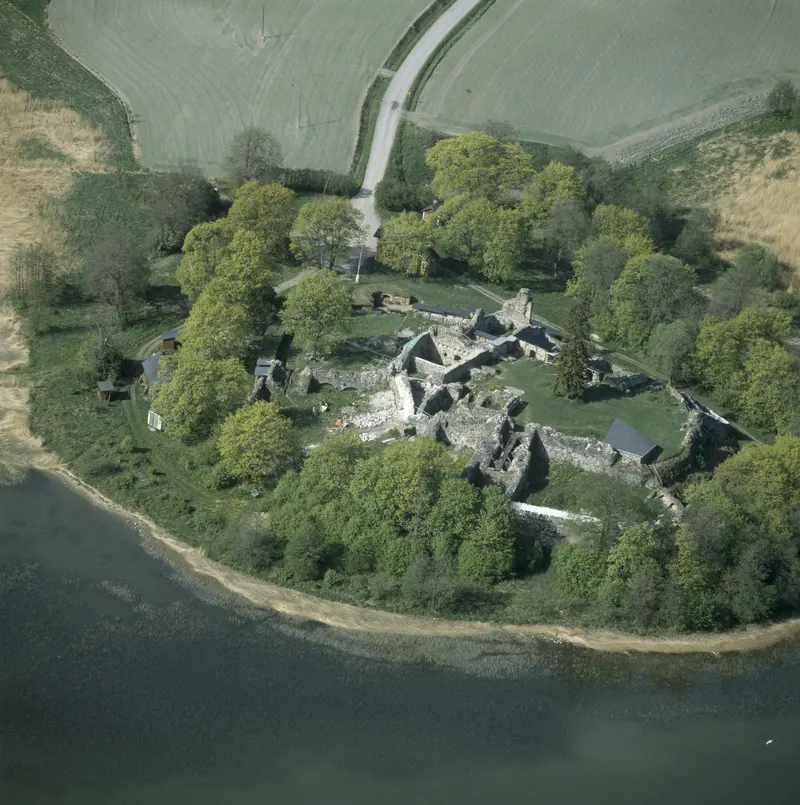
In 1528 King Gustav Vasa ordered the castle demolished. The Swedish Reformation was as much a confiscation as a theology — the crown took the church’s lands, and the last thing the crown wanted was a bishop with a fortress. The demolition was thorough. What is left is the basement and parts of the walls, with the room foundations and the inner courtyard readable at ground level. Excavation and reconstruction work on the ruins began in 1891.
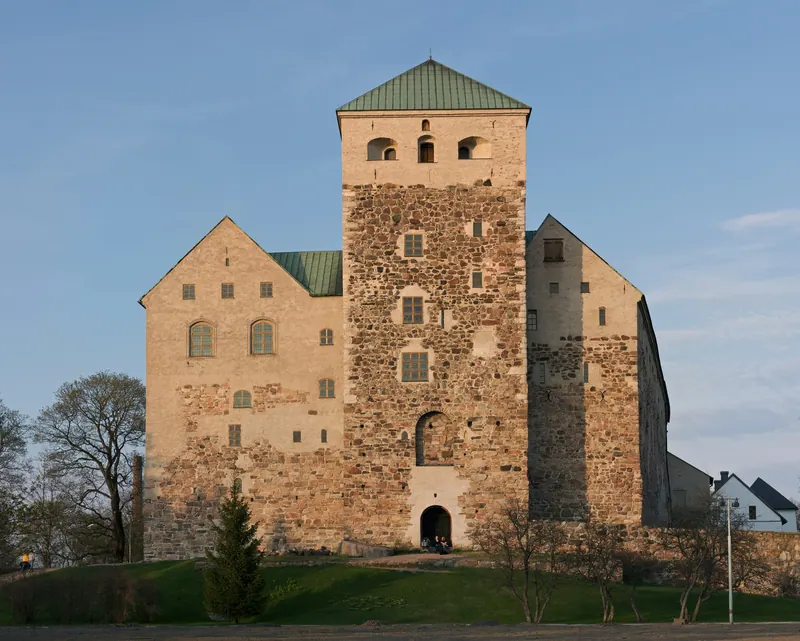
It is worth going for the contrast with Turku Castle. There you walk through halls that were rebuilt in the 1950s; here nothing has been rebuilt and nothing is roofed, and you read the plan off the ground like a drawing. It stands at the eastern end of Kuusisto island with the sea on three sides, which is also why the bishops wanted it.
The practical position is unusually good: free, in all seasons, unfenced, no ticket. A summer kiosk stands at the ruins, open weekdays 10:00–16:00 until the end of July. Kaarina’s tourist guides have in past years run free guided tours of the ruin grounds on summer Wednesdays and Sundays at 13:00, but no 2026 schedule is published on the official page — telephone Kaarina’s service point on 02 588 4010 rather than travelling out and hoping.
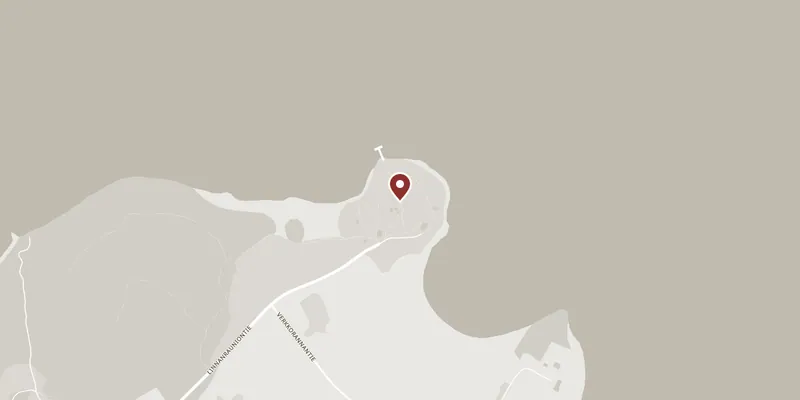
The address is Linnanrauniontie 633, Kaarina, about 15 km east of Turku and inside the Föli regional transport area. With Turku Cathedral closed until December 2028, this and Turku Castle are the two pieces of standing medieval masonry you can reach from the city on any day of the year.