Say the unmedieval part first: the food is not medieval and the house does not pretend it is. The building is the old thing. A mill on this stretch of the Adaja is documented from 1327 and ground flour until 1985, when it became a restaurant; the machinery, the mill wheels and the old roof timbers were kept and you walk past them on the terrace running down to the water. Turismo de Castilla y León lists the mill itself as a heritage site, not just the business inside it.
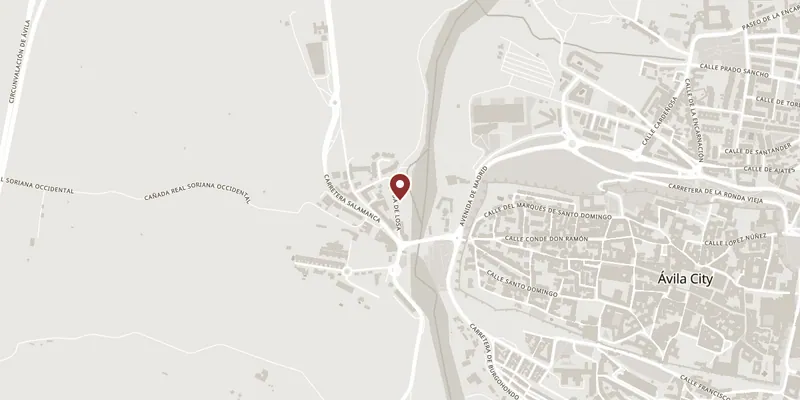
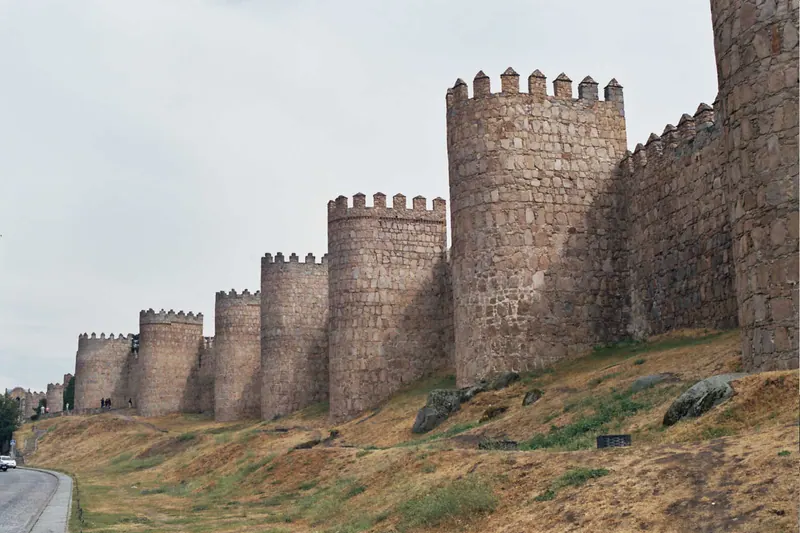
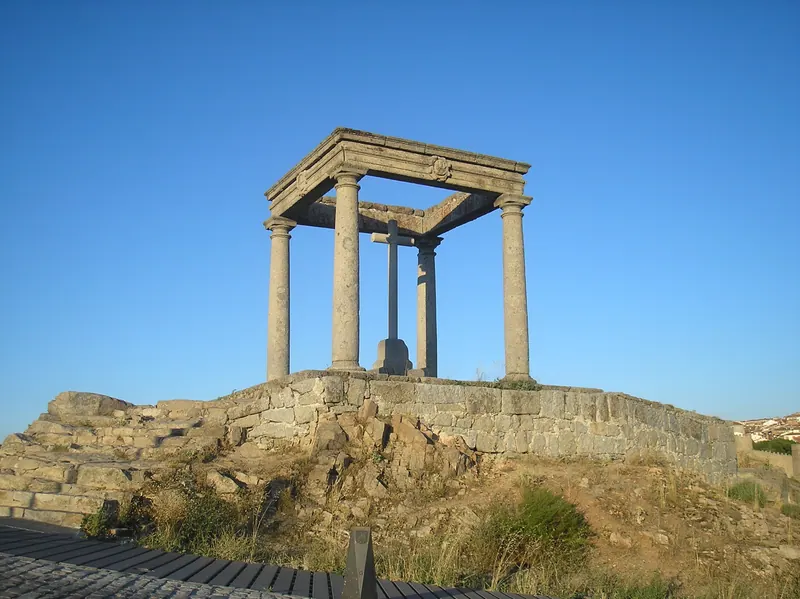
The name is the losa — the great granite slab the mill was built on, worn smooth and hollow by the river. The building sits more or less mid-stream, close to the old bridge, a hundred metres from the wall and inside about 4,000 m² of garden. That makes it the one place in Ávila where you eat with the wall standing over you rather than behind you, and it is on the direct line between the Puerta del Puente and Los Cuatro Postes, so it drops into the evening you were going to have anyway.
Order the local beef. Chuletón de ternera de Ávila — bone-in rib from the province’s own breed, cooked over wood — was listed at €24.50 on the menu published through Ávila Auténtica, the provincial producers’ brand, alongside set menú típico and tasting menus. The other two things the province is actually known for are judías de El Barco de Ávila, the big white beans, and wood-roasted lamb. Portions are Castilian; a chuletón is normally shared.
Two practical notes. Opening hours are not published on the restaurant’s own site or on the tourist office’s listing, so book on +34 920 211 102 rather than walking down the hill on spec — it seats around 144 and it fills at weekends and Sunday lunch. And if you want the other local speciality, yemas de Santa Teresa, the egg-yolk sweets have been made at La Flor de Castilla on Plaza José Tomé since 1860. They are 19th-century, not medieval, and they are very sweet.