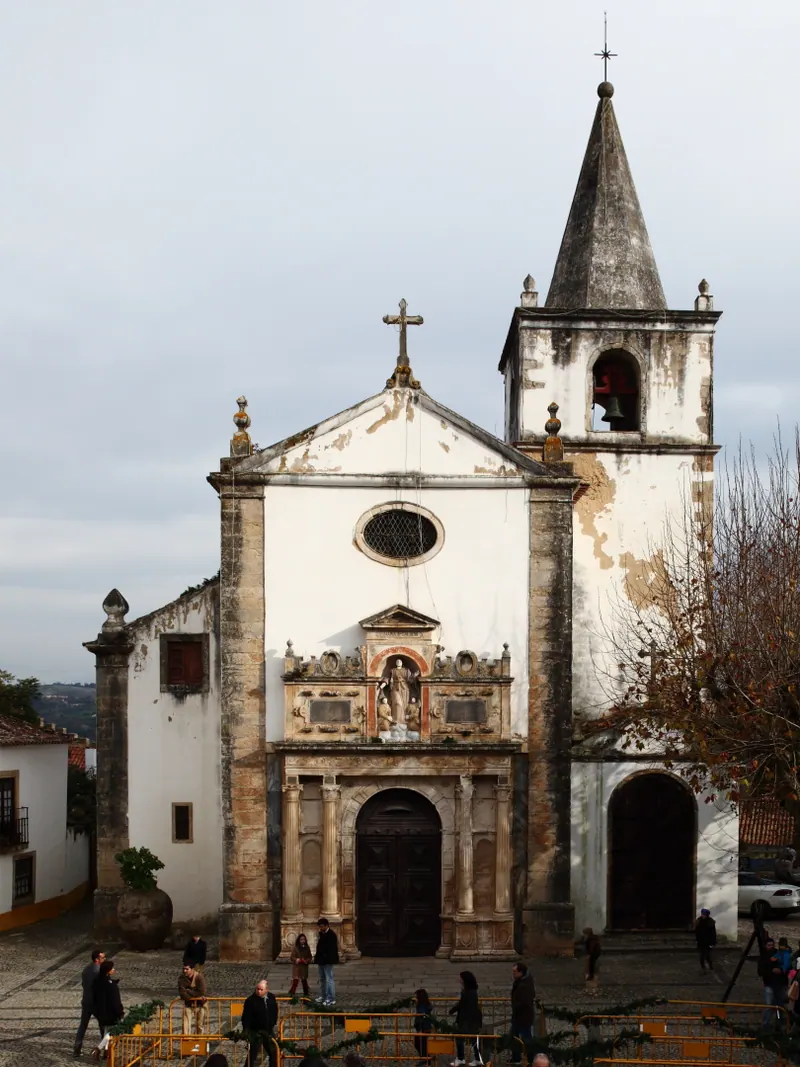
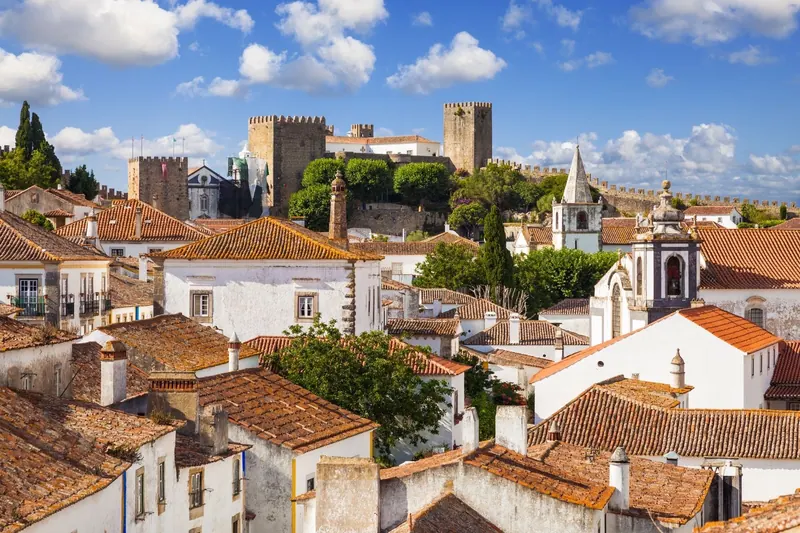
Medieval Booker

Café ◆ Óbidos

Bar Ibn Errik Rex

The ginjinha bar on Rua Direita that opened as an antiques shop in 1956 and is on the state register of historic Portuguese businesses, still crammed with the stock it never sold. Ask for the sour-cherry liqueur in the chocolate cup, drink it, eat the cup — and know that neither the drink nor the cup is remotely medieval.

Where and when

Where
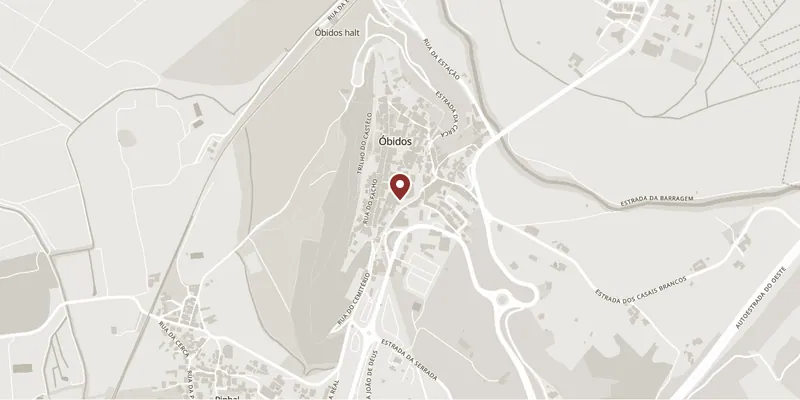
Rua Direita 100, 2510-106 Óbidos, Óbidos, Portugal Open in Google Maps Walking directions
Era
Opened 1956 as an antiques shop, bar since 1975; on the Comércio com História state register. Ginjinha itself is a 17th-century drink
Opening
Listings give roughly 11:00 until late (about 01:00), tel. 262 959 193. There is no official website, so treat the hours as indicative and expect a small bar to close when it is empty (as of August 2026)
Price
No official price list is published. Listings report a ginjinha at roughly €1.50–3, with the chocolate cup priced separately — ask at the counter and expect a couple of euros (as of August 2026)
Best time
After about 18:30, when the day-trip traffic has left and you can actually get into the room. Avoid mid-afternoon entirely.
Good for
Best in the eveningFree or cheap
Map showing where Bar Ibn Errik Rex is
Open in Google Maps Walking directions © MapTiler © OpenStreetMap contributors

Checked

What is Bar Ibn Errik Rex?

Somebody will put a small chocolate cup of dark red liqueur in your hand in Óbidos, and it may as well be here. The house opened in 1956 as an antiques shop, turned itself into a bar in 1975 and is listed on Comércio com História, the Portuguese state’s register of businesses of historic and cultural interest — which is the reason it is on this list and the fifteen ginjinha stalls further down the street are not.

The room is the point. It is one narrow, dark space on Rua Direita hung and stacked with the unsold contents of the antiques shop: ceramics, bottles, murals, oddments nailed to every surface, and barely enough floor for a dozen people. It serves ginja by the glass and in the edible chocolate cup, with flamed chouriço, bread and cheese as the standing snack.

Now the honesty. Ginjinha is a sour-cherry liqueur of the 17th century, usually credited to a friar in Lisbon, and it has nothing to do with the Middle Ages. The chocolate cup is a 20th-century invention that fits neatly with the town’s international chocolate festival, running since 2002. What you are buying is a good local drink in a room with a real history, not a medieval experience, and anyone selling it to you as one is selling.

It takes ten minutes. Do it in the evening, when the coaches have gone and the bar belongs to whoever is still in town, rather than at two in the afternoon when there is a line of people photographing their cups.
What visitors say

4.6 from 699 ratings

  • F L

    5 out of 5 2 months ago

    They are selling the best of the town’s Ginjinha! And the sausage is so good as well. This place is one of the reason pushing me back to Obidos again if I come back Portugal in the future

    Read this review on Google
  • Maggie Tapp

    5 out of 5 4 months ago

    Everyone should check this place out. Stop in for the Ginja and Sausage experience. The owner makes the Ginja himself. We bought a bottle to take home. We had such a great experience here.

    Read this review on Google
  • Dani

    5 out of 5 7 months ago

    Great stop in the Óbidos Castle for a chouriço, cheese, ginja and a beer. The menu only contains this but it's really authentic and fits perfect with the castle atmosphere.

    Read this review on Google

Ratings and reviews from Google. See all on Google Maps

Frequently asked questions

What is ginjinha and is it medieval?

A sour-cherry liqueur, generally dated to the 17th century and associated with a friar in Lisbon. It is not medieval, and the edible chocolate cup it is served in at Óbidos is a 20th-century idea.

Where should I drink ginjinha in Óbidos?

Bar Ibn Errik Rex at Rua Direita 100 is the one with a documented history: open since 1956 and listed on the Portuguese state's Comércio com História register of historic businesses.

How much does a ginjinha in a chocolate cup cost?

The bar publishes no price list. Listings put a glass at roughly €1.50–3 with the chocolate cup charged separately, as of August 2026. Ask before ordering.

Do you eat the chocolate cup?

Yes. Drink the liqueur, then eat the cup. That is the whole ritual and it takes about a minute.

Does Bar Ibn Errik Rex serve food?

Snacks rather than meals: flamed chouriço, bread and cheese alongside the drinks. It is a one-room bar, not a restaurant.

Festivals in Óbidos

Medieval festivals in Óbidos
Featured
Medieval Markets & Fairs Jousting & Tournaments +1

Mercado Medieval de Óbidos

Óbidos, Portugal

The Mercado Medieval de Óbidos takes over the castle grounds and lanes of the walled town for about 11 days each July, with a themed market, mounted tournaments, parades, street theatre and ticketed royal banquets. Organised by the municipality, it draws around 150,000 visitors a year.

Expected 2027
Family

More places in Óbidos

Places in Óbidos
View Start here

The Wall Walk (Muralhas de Óbidos)

Circuit 13th–14th century on Moorish and Roman foundations; repaired after the 1755 earthquake

A complete 13th–14th-century circuit around a town of 300 people, walkable end to end for nothing, with no ticket, no gate and no attendant. Read the safety note before you climb: there is no handrail, and this walk has killed people.

Free or cheap Quiet corner
Walking directions
Castle

Castelo de Óbidos

Rebuilt under King Dinis after 1282 on Moorish foundations; pousada since 1951; National Monument since 1910

The keep King Dinis rebuilt after 1282, and since 1951 a hotel — Portugal's first pousada inside a historic monument. You cannot tour it, so know what you are walking to: the Cerca do Castelo courtyard, the terrace and the outside of the keep are free and open, and everything past the front door needs a room booking or a restaurant reservation.

Free or cheap Good with children
Walking directions
Church

Igreja de Santa Maria

Mosque site consecrated after 1148; reworked under Queen Leonor c. 1490s; rebuilt from 1571; tomb by Chanterene c. 1526–28

The parish church on the site of the town mosque, consecrated after Afonso Henriques took Óbidos in 1148 and rebuilt from 1571 — where the nine-year-old Afonso V was betrothed to his cousin Isabel of Coimbra in 1441. Find two things: the Renaissance tomb by Nicolau Chanterene in the chancel wall, and the pillory outside with a shrimping net carved on it.

Free or cheap Works in the rain Quiet corner
Walking directions
All articles