Medieval Booker

Living History & Museums ◆ Malta

Medieval Mdina Festival

The Medieval Mdina Festival brings re-enactors, falconers, flag-throwers and musicians into the walled streets of Malta's old capital for a spring weekend. Organised by the Mdina Local Council, it recreates life between about 1200 and 1500 with battles, parades, crafts and street scenes inside the bastions.

When is Medieval Mdina Festival 2027?

Next edition
Expected 2027 Medieval Mdina Festival 2027 See all editions
Where
Mdina, Malta
How often
Every two years
Entry
Small entry fee at the gates in previous editions; children often free; confirm with the Mdina Local Council
Family-friendly
Yes — bring the kids
Official site
www.facebook.com

Checked · we re-check every festival twice a year.

Past and upcoming editions

Editions of Medieval Mdina Festival
EditionDatesStatusCalendar
2027 edition Expected 2027 Google Calendar · .ics

Expected means the organiser hasn't announced yet; we show the usual window.

Past editions (1)
  • 2025 edition (13th) — 3–4 May 2025

What happens at Medieval Mdina Festival?

Mdina, the fortified former capital in the centre of Malta, hosts the Medieval Mdina Festival inside its walls. The most recent edition, the 13th, ran on Saturday 3 and Sunday 4 May 2025 (11:00–22:00 and 11:00–18:00). No edition was held in 2026: the festival now runs every two years, and the next edition is expected in spring 2027; treat the timing as provisional until the council announces it.

The festival is built around the years 1200–1500, when Mdina was the seat of Malta’s nobility under Sicilian and Aragonese rule. Local groups and visiting re-enactors from Europe stage battle scenes, sword fighting and archery; falconers fly birds in the squares; and costumed street scenes recreate a slave market, kitchens, taverns and workshops. Parades with drummers and flag-throwers wind through the narrow streets, and there is medieval music, storytelling and a craft market.

Previous editions charged a small entry fee at the city gates, with children often free, and the whole city becomes the festival ground. Mdina is car-free; visitors park in Rabat outside the walls or take a bus from Valletta to Rabat, a few minutes’ walk from the main gate. Evenings are the busiest, when the streets are lit by torches and the city’s usual silence gives way to the festival.

Frequently asked questions

When is the next Medieval Mdina Festival?

No 2026 edition was held. The festival is expected to return in spring 2027 (late April or early May); the Mdina Local Council announces exact dates a few months ahead.

When was the last Medieval Mdina Festival?

The 13th edition took place on 3–4 May 2025.

What happens at the Medieval Mdina Festival?

Battle re-enactments, sword fighting, archery, falconry, parades with drummers and flag-throwers, medieval music and costumed street scenes such as taverns, kitchens and a slave market.

Is there an entrance fee for the Medieval Mdina Festival?

Past editions charged a small fee at the city gates, with children often admitted free.

How do I get to Mdina?

Mdina is car-free. Buses from Valletta run to Rabat, a short walk from Mdina's main gate, and there is parking in Rabat.

Other living-history sites and museums

All living-history sites and museums
Featured
Living History & Museums Castle Events

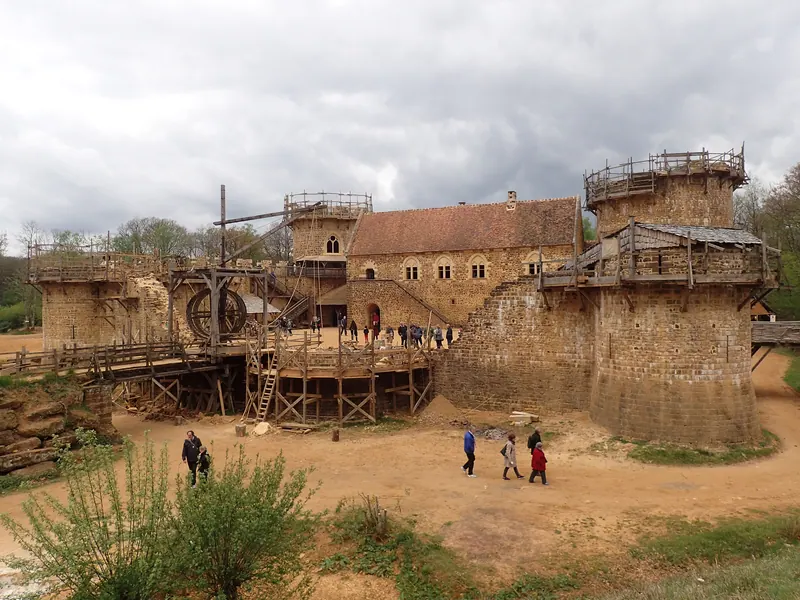
Guédelon Castle (living medieval construction site)

Treigny, France

Guédelon is a 13th-century castle being built from scratch in a Burgundy forest quarry using only the tools, materials and techniques of the 1230s, open to visitors from spring to autumn since the first stone was laid in 1997. Around forty masons, carpenters, blacksmiths, tilers, rope-makers and carters work in front of the public, and the site draws roughly 300,000 visitors a season.

On now until
Family
Jousting & Tournaments Living History & Museums

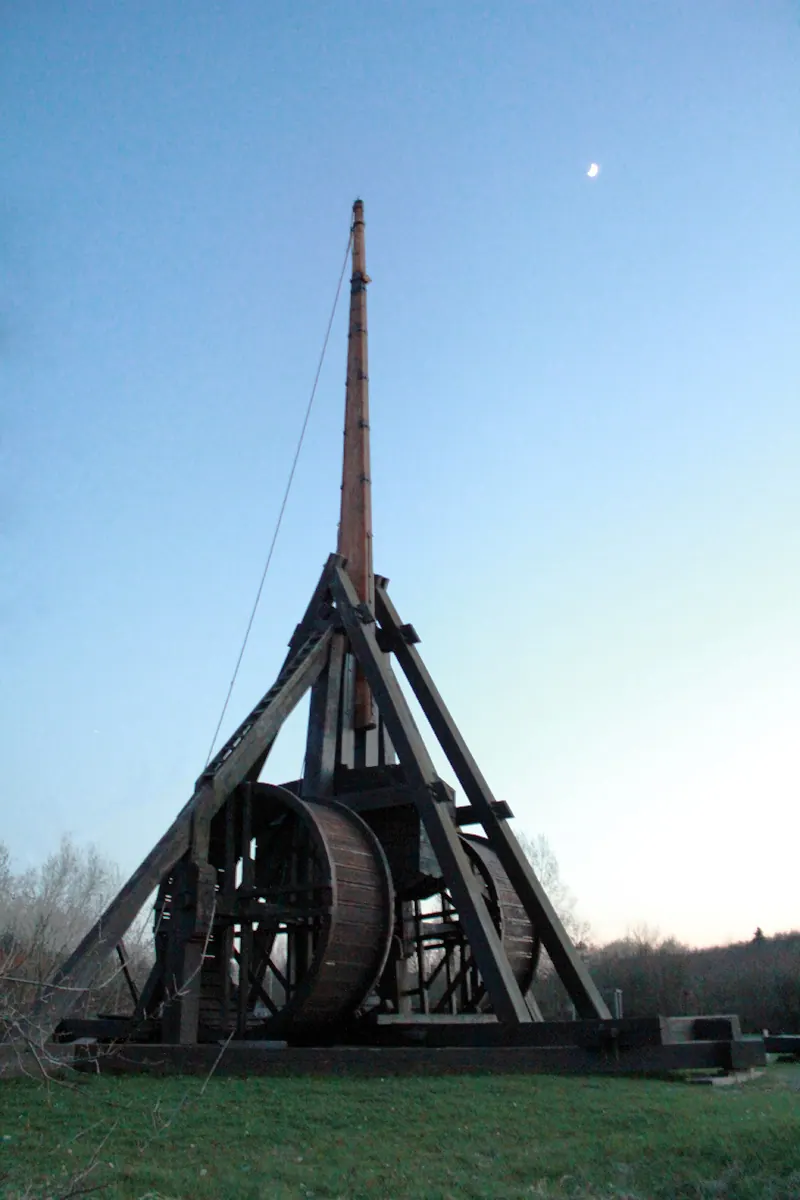
Middelaldercentret (The Medieval Centre), Nykøbing Falster

Nykøbing Falster, Denmark

Middelaldercentret is an experimental living-history museum on the Guldborgsund opposite Nykøbing Falster, where a reconstructed Danish market town of around the year 1400, Sundkøbing, is populated by costumed staff who stay in character all day. Its season runs from early May to late September with daily trebuchet firing, jousting and craft demonstrations, plus an autumn-holiday week in October and a Christmas market.

On now until
Family
Medieval Markets & Fairs Jousting & Tournaments +1

Horsens Medieval Festival

Horsens, Denmark

Horsens Middelalderfestival turns FÆNGSLET, the town's former state prison, into a medieval town for two days at the end of August, with knights, craftsmen, musicians, a market and hundreds of costumed participants. Run by the municipality since 1995 and free to enter, it calls itself northern Europe's largest medieval festival and draws around 100,000 visitors.

2026
Free Family