Medieval Booker

Landmark ◆ Sighișoara

The citadel wall and the guild towers

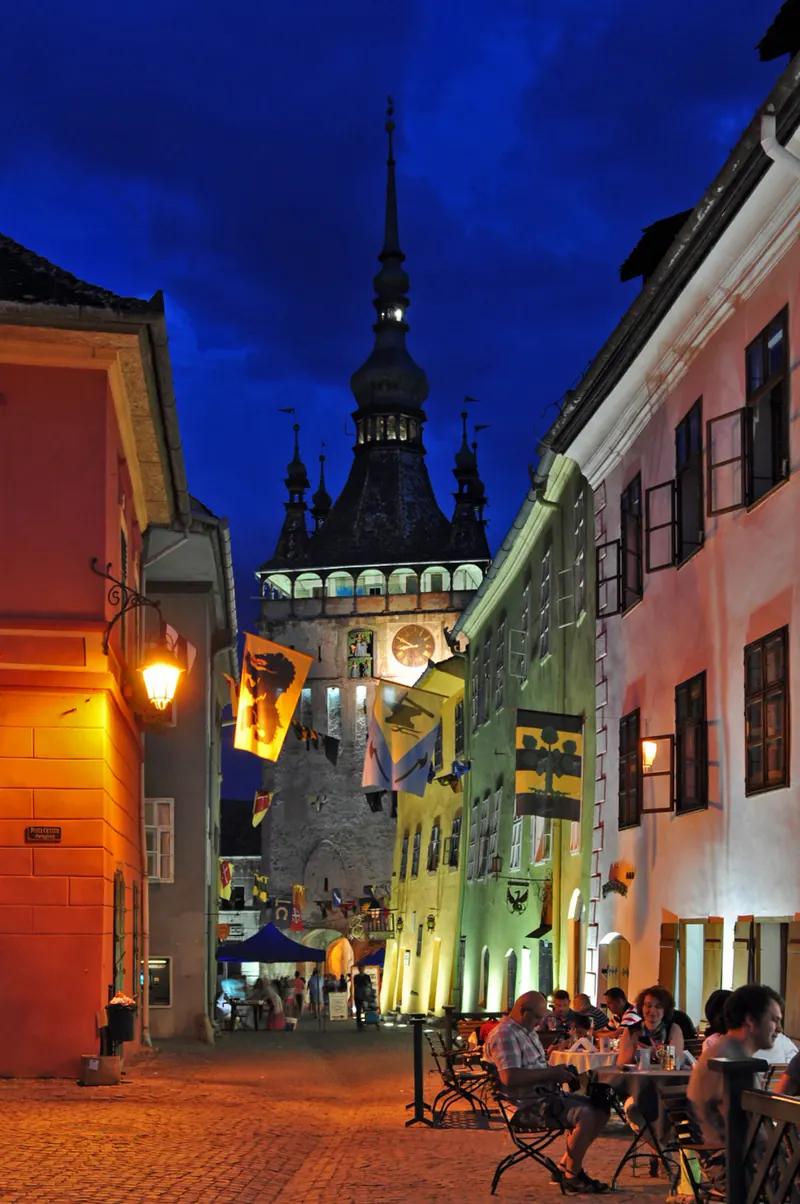
A wall of 930 m with fourteen towers and five artillery bastions, each tower built, armed and manned by one craft guild — tailors, tinsmiths, ropemakers, butchers, furriers, bootmakers, blacksmiths, tanners. Nine towers still stand; walk the outside of the wall from the Clock Tower and find three of them, because only the Clock Tower opens and this is a walk rather than a visit.

Where and when

Where
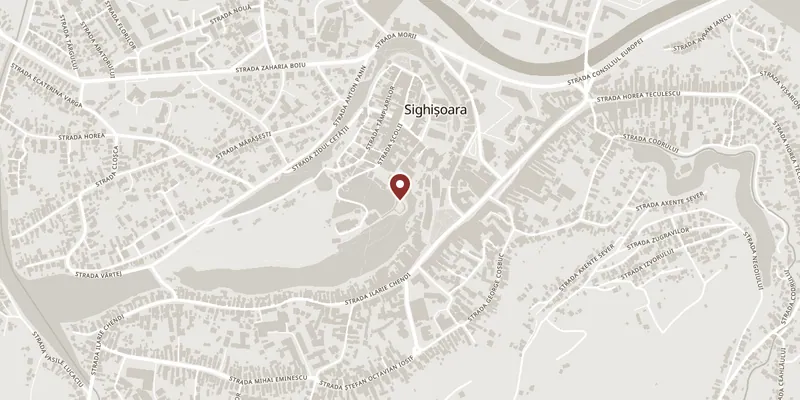
Citadel walls, 545400 Sighișoara — start under the Clock Tower at Piața Muzeului, Sighișoara, Romania Open in Google Maps Walking directions
Era
Wall and towers 14th–17th century; nine of the original fourteen towers survive
Opening
Open and unrestricted at all hours, all year. Only the Clock Tower can be entered, on a museum ticket; the other eight towers are looked at from outside (as of August 2026)
Price
Free. The walls, gates and lanes are public street and there is nothing to buy (as of August 2026)
Best time
The first hour of daylight, or the hour before dark. It is the one thing here that is better in bad weather than in good.
Good for
Free or cheapQuiet cornerBest in the evening
Official site
cniptsighisoara.ro
Map showing where The citadel wall and the guild towers is
Open in Google Maps Walking directions © MapTiler © OpenStreetMap contributors

Checked

What is The citadel wall and the guild towers?

The town’s own tourist information centre states the system plainly: “a wall 930 m long, 14 defence towers and 5 artillery bastions”, built and defended by the guilds. It went up between the 14th and 17th centuries against Ottoman raiding, starting around 4 m high and raised in places to about 14 m. Nine of the fourteen towers survive, which is why Sighișoara is the citadel people are sent to rather than one of the other six Saxon towns.

The arrangement is the interesting part and it is not decorative. A guild bought and maintained its own tower, stored its powder and weapons in it and put its own men on the wall there. Craft, defence and citizenship were the same thing. If a trade shrank, its stretch of wall shrank with it.

Three to find. The Tailors’ Tower (Turnul Croitorilor), 14th-century, stands at the far side of the citadel from the Clock Tower and holds the second gate: two vaulted passages you still walk through to get in and out. Its powder magazine blew up in the fire of 1676 and the north gate vault was rebuilt as late as 1935. The Tinsmiths’ Tower (Turnul Cositorarilor) is the strangest object on the wall — 25 m high, square at the base, pentagonal above that, then suddenly octagonal near the top, heavily rebuilt in 1583, and pocked with bullet marks from the siege of 1704–06. It is joined to the Tanners’ Tower by the Galeria Arcașilor, the archers’ gallery, the one place where the wall still reads as a fighting platform. The Ropemakers’ Tower (Turnul Frânghierilor) sits up by the Church on the Hill, rebuilt in 1350 after the Tatar invasion, and is the only one of the nine that is lived in: the caretaker of the Saxon cemetery has it. Look, and do not knock.

The others, in one pass: the Butchers’ (later 15th century, hexagonal so it could fire in every direction), the Furriers’ (probably 15th century, square, four storeys, heightened after 1676), the Bootmakers’ (first documented 1594, burnt out in 1676, rebuilt from the foundations in 1681, hexagonal with unequal sides), the Blacksmiths’ (1631, on the footings of the older Barbers’ Tower) and the small square Tanners’ Tower of the 13th–14th centuries. None of them is open inside.
Frequently asked questions

How many towers does Sighișoara citadel have?

Nine survive of the original fourteen. The defensive system was a wall 930 m long with fourteen towers and five artillery bastions, each tower built and defended by a craft guild.

Can you walk the walls of Sighișoara?

Not along the top. There is no continuous rampart walkway; you walk beside the wall on streets and paths, which is free and possible at any hour.

Can you go inside the guild towers?

Only the Clock Tower, which holds the History Museum and is ticketed. The other eight are closed — and the Ropemakers' Tower is a private home, occupied by the caretaker of the Saxon cemetery.

Which guild tower is worth walking to?

The Tinsmiths' Tower on the south-west side: 25 m high, square then pentagonal then octagonal, rebuilt in 1583, still marked by bullets from the 1704–06 siege, and joined to the Tanners' Tower by the archers' gallery.

Why did guilds defend the towers?

In a Saxon town, citizenship, trade and defence were one thing. Each guild paid for, armed and manned its own tower on the wall, and stored its weapons and powder there.

Festivals in Sighișoara

Medieval festivals in Sighișoara
Featured
Living History & Museums Music, Feasts & Theatre +1

Sighișoara Medieval Festival

Sighișoara, Romania

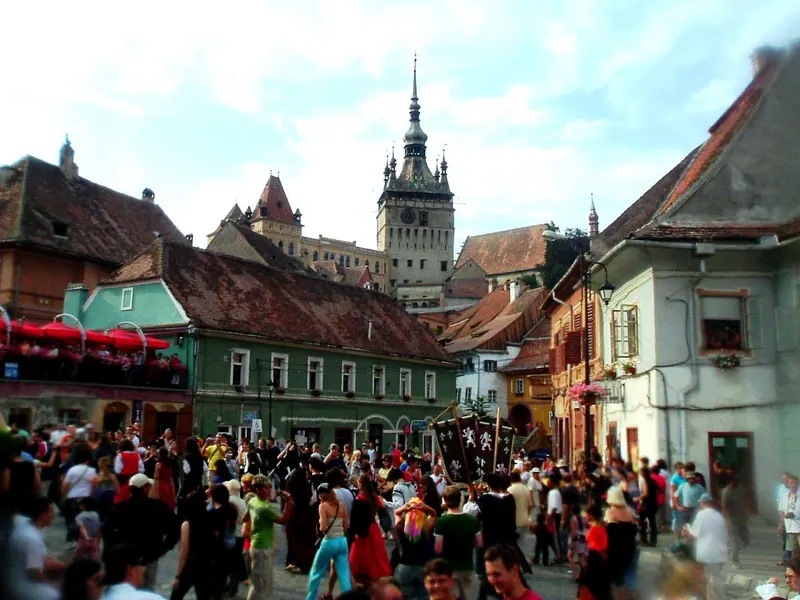
The Sighișoara Medieval Festival fills the UNESCO-listed Saxon citadel with three days of free parades, knights' displays, medieval music, theatre, crafts and concerts on the last weekend of July. First held in May 1992, it is Romania's oldest medieval festival; the 31st edition ran 24–26 July 2026.

Expected 2027
Free Family

More places in Sighișoara

Places in Sighișoara
Landmark Start here

The Clock Tower and the History Museum

Gate tower of the later 14th century; Baroque roof 1677; museum since 1899

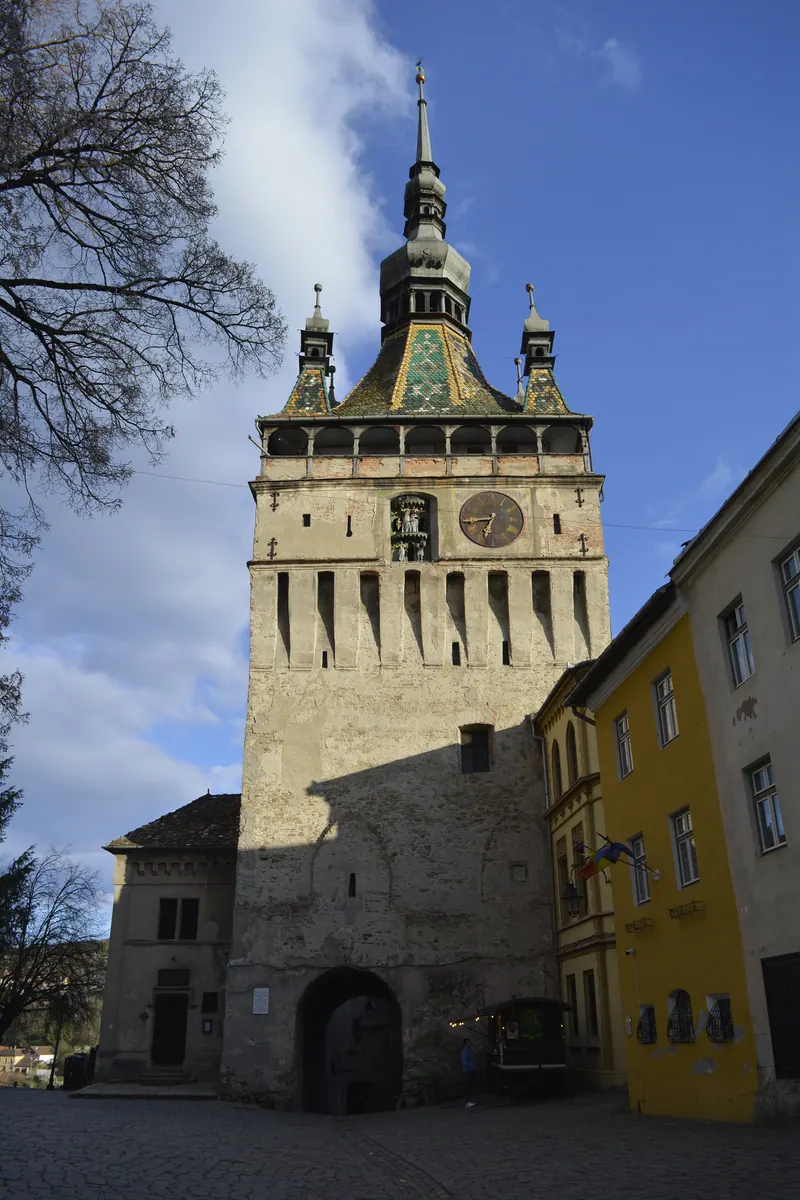
The 64 m gate tower that has shut the citadel's main entrance since the 14th century, with the town's history museum stacked up its six floors and an open wooden gallery under the roof. Climb it for the gallery and for the figure niches beside the clock faces — but know before you go that the famous week-day gods turn once a day, at midnight.

Good with children Works in the rain
Walking directions
Church

The Church on the Hill and the Scholars' Stair

First mentioned 1345; rebuilt as a hall church 1429–1488; covered stair 1642

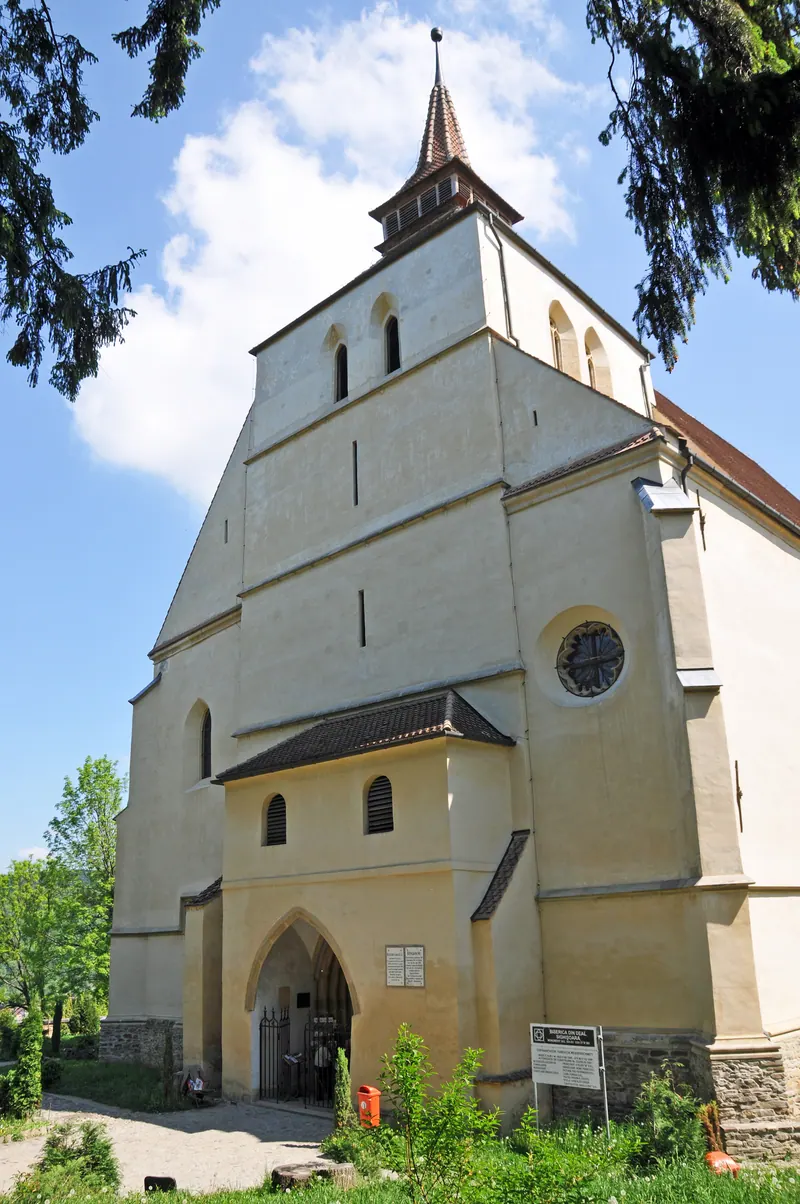
The Gothic hall church at the top of the citadel, rebuilt between 1429 and 1488 on a church first mentioned in 1345, reached by a roofed wooden stair of 1642 with about 175 steps. Go for the wall paintings of 1483 and 1488 that spent two centuries under limewash, and for the crypt beneath the choir — the only medieval one known in Transylvania.

Church

The Monastery Church

Dominican friary from 1298; hall church rebuilt c. 1492–1515; Lutheran parish church since 1556

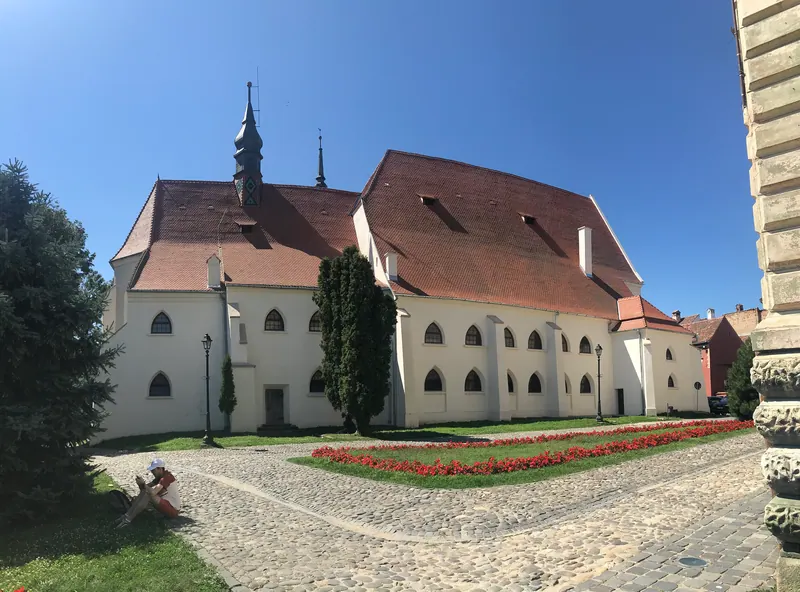
The Dominicans' church, recorded from 1298, rebuilt as a late-Gothic hall church around 1500 and the Saxons' main town church since the Reformation. Go in for the Anatolian carpets: three dozen 16th- and 17th-century Turkish rugs hanging on the walls and gallery fronts of a Lutheran church, given by merchants who traded south into the Ottoman lands.

Works in the rain Quiet corner
Walking directions