Medieval Booker

Museum ◆ Bruges

Museum Sint-Janshospitaal

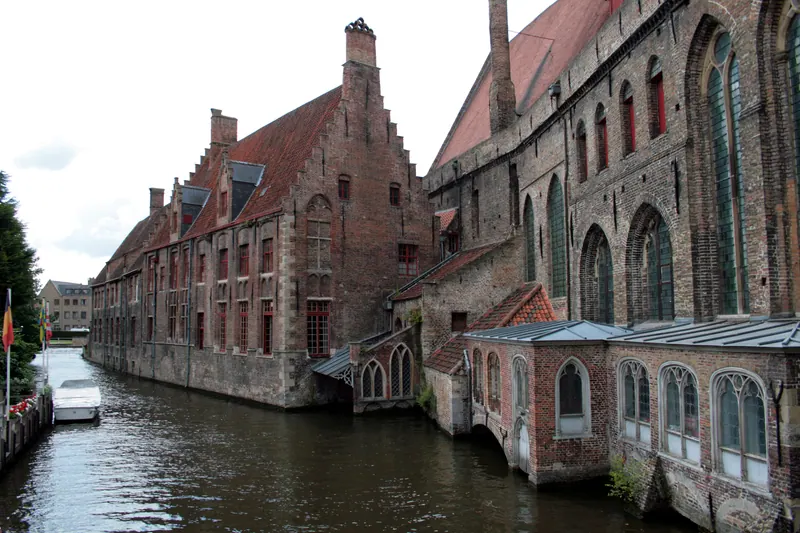
A hospital first documented in 1188, run by lay brothers and sisters, and still taking patients until 1977 — with seven paintings by Hans Memling, four of them made for this building and never moved out of it. Go for the Shrine of St Ursula, a gilded reliquary painted as a miniature Gothic chapel, and then climb to the attic roof truss.

Where and when

Where
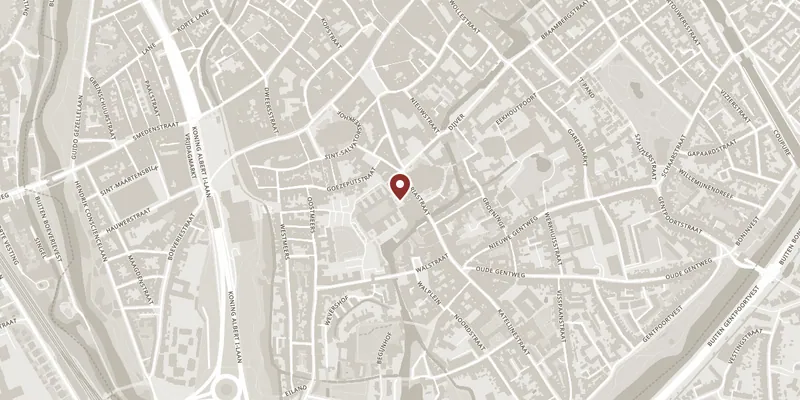
Mariastraat 38, 8000 Brugge, Bruges, Belgium Open in Google Maps Walking directions
Era
Hospital documented from 1188; medieval wards and church; Memling panels made for the house from the 1470s–1480s
Opening
Daily 09:30–17:00, closed Mondays; closed 25 December and 1 January (as of August 2026)
Price
€15 adult and 65+, €13 age 18–25, €7 age 13–17, free under 13; the Closer to Memling attic experience and the pharmacy are included (as of August 2026)
Best time
At 09:30 on a weekday. The Memling room is small, the day-trip coaches reach it from about 11:00, and the shrine deserves ten unhurried minutes.
Good for
Works in the rainQuiet corner
Official site
www.museabrugge.be
Map showing where Museum Sint-Janshospitaal is
Open in Google Maps Walking directions © MapTiler © OpenStreetMap contributors

Checked

What is Museum Sint-Janshospitaal?

The earliest surviving document about the hospital dates from 1188, parts of the fabric are 12th-century, and Musea Brugge describes it as one of the oldest preserved hospital buildings in Europe. Lay brothers and sisters ran it for the sick, the poor and travelling pilgrims — the rule was care regardless of origin or class — and it was still a working hospital until 1977. That matters when you walk in: this is not a gallery built to look like a medieval ward, it is the ward.

Seven works by Hans Memling are here, and four of them were commissioned by the hospital’s own staff and have hung in the building since the late 15th century. They are the Triptych of St John the Baptist and St John the Evangelist, painted for the high altar of the hospital church; the Triptych of the Adoration of the Magi, commissioned by brother Jan Floreins; the Lamentation of Christ, commissioned by brother Adriaan Reins; and the Shrine of St Ursula, a gilded oak reliquary of the 1480s built and painted as a miniature Gothic chapel, with the legend of Ursula and her companions running along both sides in six panels. Look at the shrine’s roundels and the little carved figures on the gable ends, not just the paintings. The other three are the Diptych of Maarten van Nieuwenhove, a portrait of a young woman, and a portrait of a member of the De Rojas family.

Two more things are included in the same ticket and both are easy to miss. The attic carries what the museum calls one of the oldest monumental oak roof trusses in Europe, and now houses the Closer to Memling installation — hands-on tables, polyphonic music of Memling’s period and a screen nearly five metres square. Across the courtyard, the hospital’s 17th-century pharmacy survives with its period interior and a herb garden.

One honest note: Musea Brugge deliberately mixes contemporary art into the wards — Berlinde De Bruyckere beside the Ursula shrine, Patricia Piccinini, a Giuseppe Penone in marble and bronze. Some visitors find it sharpens the room and some find it an intrusion. Nobody is warned about it at the door, so consider yourself warned.
What visitors say

4.3 from 2,498 ratings

  • Becca Kennedy

    4 out of 5 2 months ago

    I really enjoyed learning the history of the hospital. We also enjoyed there were phone charging stations and a WC. I took off one star because one of the museum guards/attendants was very rude and yelled at us that we “almost touched a painting” when we were no where near a painting. Also we at no point were about to touching a painting. It just ruins the whole visit when you are admonished so rudely.

    Read this review on Google
  • Elizabeth Ixer

    2 out of 5 2 months ago

    I went to see the Memling works and I wasn’t disappointed. The altar piece and the reliquary are absolutely beautiful. However, the rest of the museum is a noisy mess. Weird modern art is juxtaposed with classical art pieces; there are interesting videos about medical history next to a sexologist’s reaction to an old painting of an eye doctor (I mean she wasn’t wrong ) but still did it need to be on the audio guide? You wander around this maze of MDF and blue curtain material (some of the cubicles had nothing in them but noises), some an object but no explanation, some too much explanation and it wasn’t clear exactly what we were meant to get from it. If you wanted art, just head straight to the exquisite Memlings. There are, to be fair, some beautiful medieval works of sculpture and reliquaries here too which should take centre stage in my opinion. They are lost in the clutter and noise and their purpose as objects of contemplation obscured. If you want medical history, you won’t get it here beyond some interesting pictures of the old hospital. It does better on the medieval view of care and who provided it but it was a bit chaotic so hard to get a narrative. I can’t help feeling they should empty the whole room out and leave it to the exquisite art work of Memling and related art works and use other parts of the hospital to create rooms where you can get themed narratives eg the history of the hospital, the evolution of care and nursing, the role of women in care, art’s reaction to suffering and medicine. The possibilities are endless but this current set up is somewhat amateurish and the audio guide is random. The modern art is pretty poor as well sitting around the museum without context. Moreover, if it’s important to have the public’s reaction to artworks, make a little panel and I can read it if I want to. Can we simply be left alone with objects in museums without things to push, atmospheric noises or modern reactions to them? Afterwards we did pop into the Apothecary which is interesting and enjoyed the lovely herb garden and tiny internal garden here. Very atmospheric and calm.

    Read this review on Google
  • David Haller

    4 out of 5 3 months ago

    I wasn't expecting too much on arrival for a museum housed in an ancient hospital but was pleasantly surprised and suitability enthralled wandering around with the wide variety of interesting physical items and fine art on display in such a monumental mediaeval structure. The immense girth and height of the upright supporting timber posts supporting the cathedral ceiling was a testament to the mighty trees from which they were hued with such simple tools. There are a lot of unique , inventive interactive educational displays to get involved with to learn as you go along...TV consuls in all languages spoken are dotted all over to immerse yourself in the fascinating history of Saint Johns Hospital , it's original construction and evolution over the centuries through to the present as a premier city museum. The beautiful Hans Memling Exposition is the crowning glory and extends into the attic above . Don't miss this brilliant jewel in the crown of your cultural adventures in Brugge . You won't be disappointed.

    Read this review on Google

Ratings and reviews from Google. See all on Google Maps

Frequently asked questions

How old is Sint-Janshospitaal in Bruges?

The earliest document about it dates from 1188 and parts of the building are 12th-century, which makes it one of the oldest surviving hospital buildings in Europe. It functioned as a hospital until 1977.

Which Memling paintings are in Sint-Janshospitaal?

Seven, of which four were commissioned by hospital staff and have been in the building since the late 15th century: the Triptych of St John the Baptist and St John the Evangelist, the Triptych of the Adoration of the Magi for brother Jan Floreins, the Lamentation of Christ for brother Adriaan Reins, and the Shrine of St Ursula. The Diptych of Maarten van Nieuwenhove is also here.

How much does Museum Sint-Janshospitaal cost?

€15 for an adult, €13 for ages 18–25, €7 for ages 13–17 and free under 13 as of August 2026. The Closer to Memling attic experience and the 17th-century pharmacy are included.

Is Sint-Janshospitaal open on Mondays?

No. It opens daily 09:30–17:00 and closes on Mondays, as of August 2026, plus 25 December and 1 January.

What is the Shrine of St Ursula?

A gilded oak reliquary of the 1480s, painted by Hans Memling in the form of a miniature Gothic chapel, with the legend of St Ursula told in six panels along its long sides. It was made for this hospital and is still here.

Festivals in Bruges

Medieval festivals in Bruges
Featured
Historic City Celebrations

Procession of the Holy Blood

Bruges, Belgium

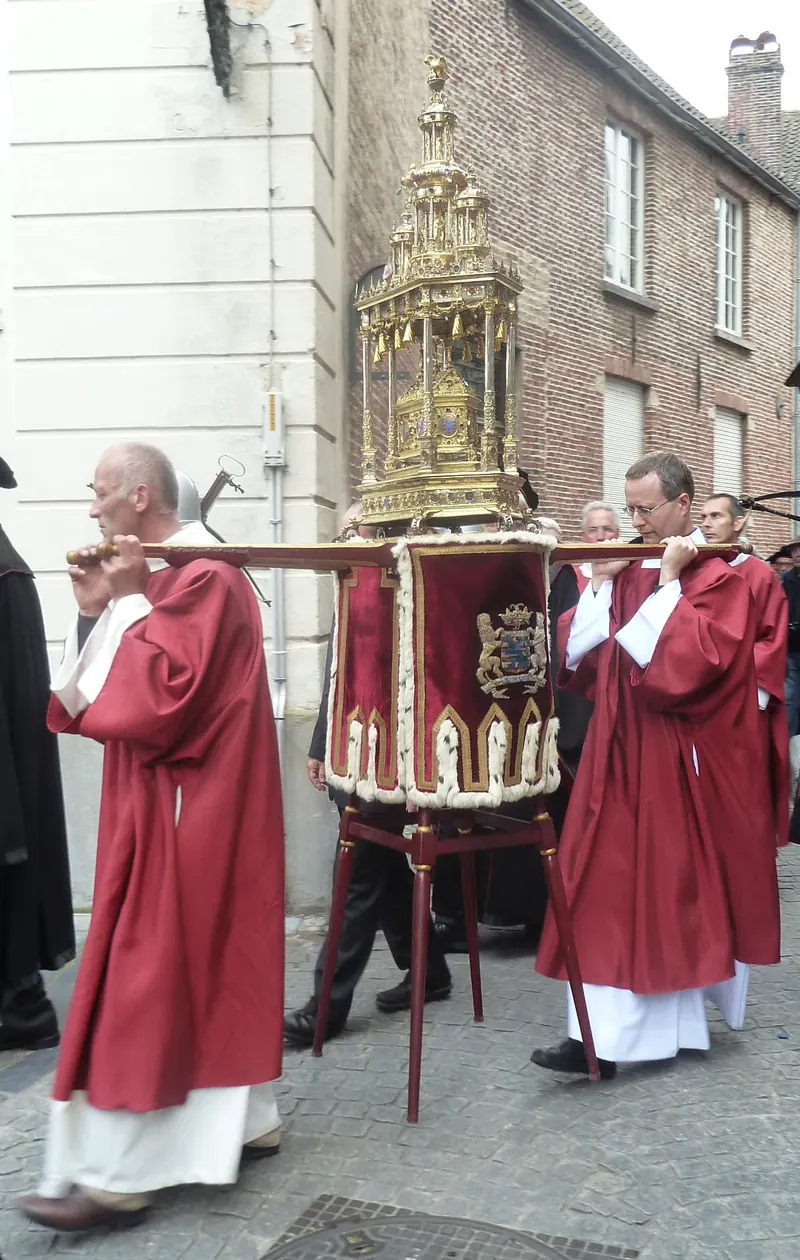
Every Ascension Day more than 1,800 people from Bruges carry the relic of the Holy Blood through the historic centre in a four-part pageant of Old Testament, New Testament and city history, with horses, carts, choirs and over 250 live musicians. The procession is dated by the city to 1304, has been on UNESCO's Representative List of Intangible Cultural Heritage since 2009, and next takes place on Thursday 6 May 2027.

2027
Family

More places in Bruges

Places in Bruges
Church

Church of Our Lady and the O.L.V.-kerk Museum

Brick tower and church 13th–15th century; Michelangelo Madonna c. 1504, given 1514; Mary of Burgundy's tomb c. 1501–02, Charles the Bold's 1558–63

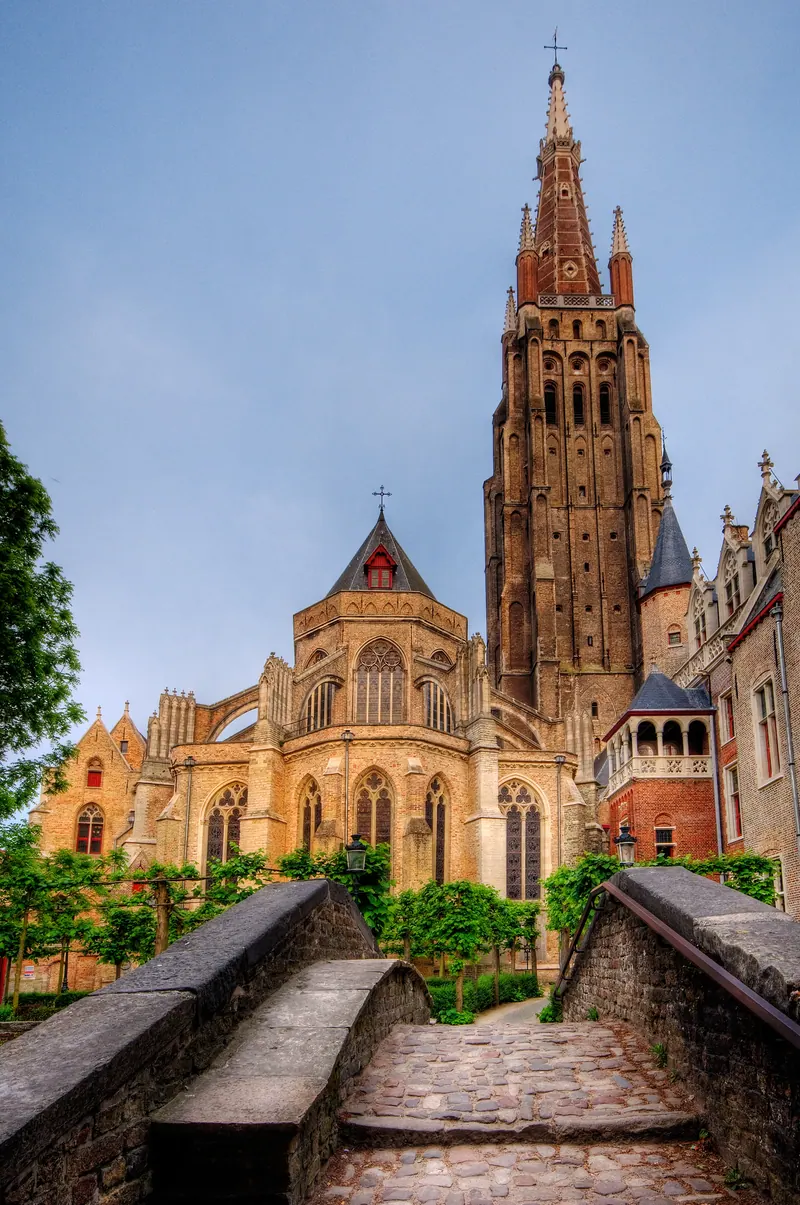
A 115.5-metre brick tower — Musea Brugge calls it the second-highest brick church tower in the world — over the only sculpture Michelangelo let leave Italy in his lifetime and the tombs of the last two rulers of Burgundy. The nave is free; the Madonna, the mausoleums and the painted grave niches under the glass floor are all inside the ticketed part, which is the part you came for.

Works in the rain Quiet corner
Walking directions
View

The Belfry

Begun 13th century on the market halls; octagonal upper stage 1483–86; spire lost to lightning 1741

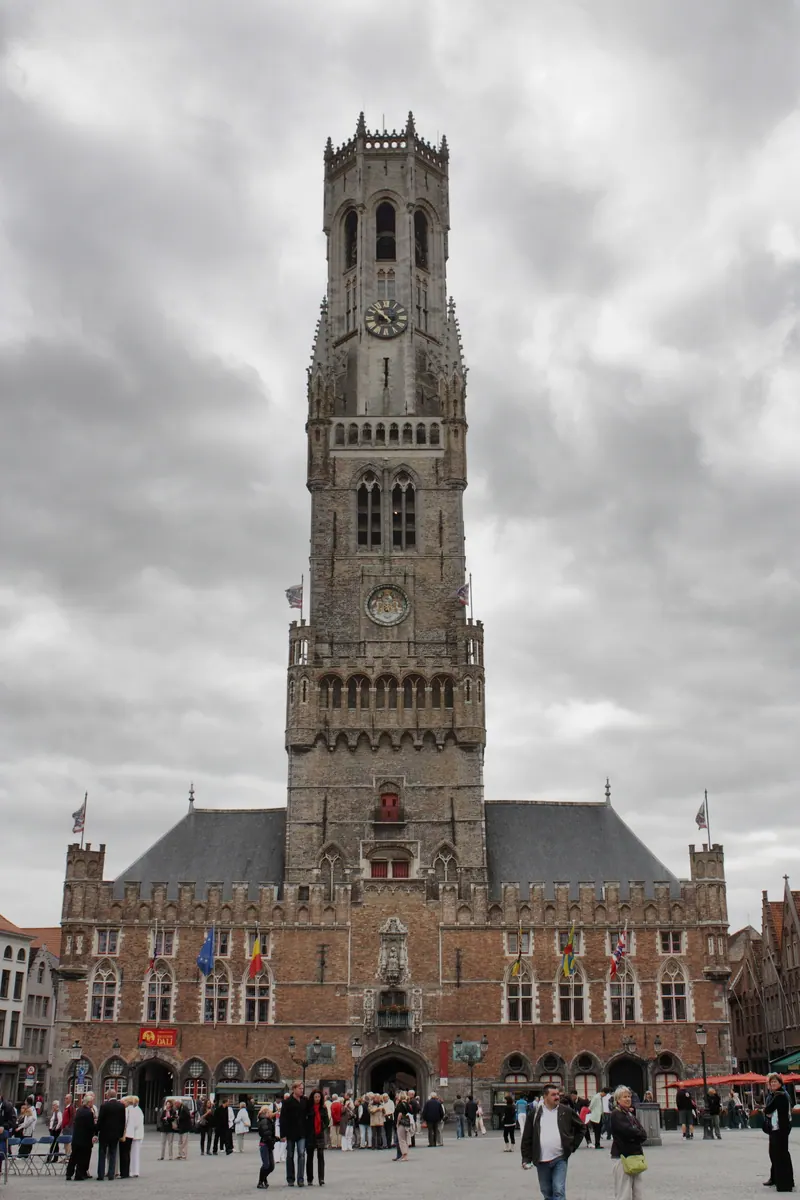
83 metres and 366 steps of the building the guilds and the town council put their identity into, begun in the 13th century and topped with its octagonal lantern in the 1480s. Stop on the way up at the treasury room, where the town's charters, seal and money were locked in iron chests behind double wrought-iron doors.

Good with children
Walking directions
Museum

Gruuthusemuseum

15th-century city palace of the Van Gruuthuse family; oratory into the Church of Our Lady late 15th century; restored and reopened 25 May 2019

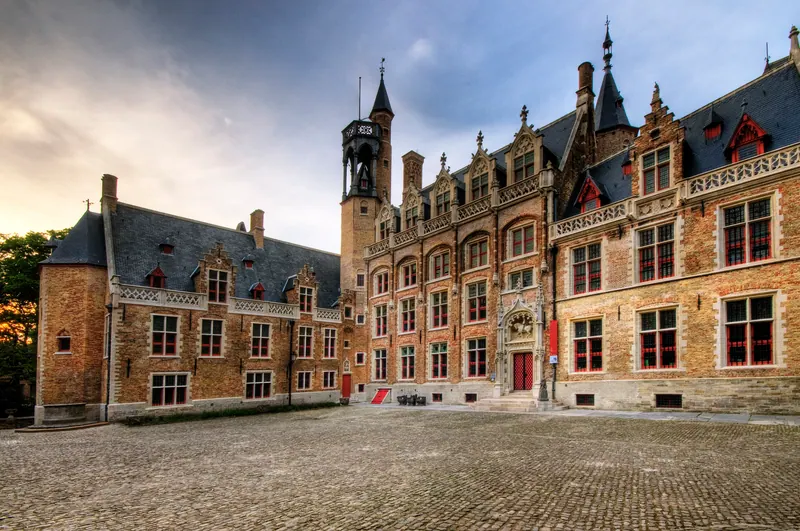
The city palace of a family that got rich taxing the herb mixture used to flavour beer before hops, and of Louis de Gruuthuse — Burgundian courtier, knight of the Golden Fleece and one of the great book collectors of the 15th century. It reopened in 2019 after five years of restoration, and its last section is the only place in Bruges that explains, honestly and at length, how the town was rebuilt in the 19th century to look medieval.

Works in the rain Quiet corner
Walking directions