Medieval Booker

Medieval Markets & Fairs ◆ Austria

Spectaculum zu Friesach

Spectaculum zu Friesach turns Austria's oldest town into a medieval stage for one weekend in late July of even-numbered years, with knights, craftspeople, minstrels, a storming of the walls and a closing fire spectacle. Visitors change their euros into Friesacher Pfennig coins, the festival's only accepted currency, before buying food and drink.

When is Spectaculum zu Friesach 2028?

Next edition
Expected 2028 Spectaculum zu Friesach 2028 See all editions
Where
Friesach, Austria
How often
Every two years
Entry
Day tickets roughly €15–18 per adult, €25 for both days (2024 prices); children up to 14 free; stalls accept only Friesacher Pfennig tokens
Family-friendly
Yes — bring the kids
Founded
1999

Checked · we re-check every festival twice a year.

Past and upcoming editions

Editions of Spectaculum zu Friesach
EditionDatesStatusCalendar
2028 edition Expected 2028 Google Calendar · .ics

Expected means the organiser hasn't announced yet; we show the usual window.

Past editions (1)
  • 2026 edition (XXIV) — 25–26 July 2026

What happens at Spectaculum zu Friesach?

Friesach in Carinthia, a walled town of the Archbishops of Salzburg with a water-filled moat and three castle ruins, hosts the Spectaculum on the last weekend of July. The 24th edition took place on 25–26 July 2026, opening on Saturday from 12:00 to midnight and on Sunday from 11:00 to 18:00. The festival began in 1999 as the opening act for the 2001 Carinthian state exhibition ‘Schauplatz Mittelalter Friesach’. Since the pandemic it has been held every two years (2022, 2024, 2026), so the next edition is expected in July 2028, not 2027.

The programme spreads through the old town: a prince and his retinue parade through the streets, craftspeople work at their stalls, monks, jesters and minstrels perform, and groups of re-enactors camp in period tents. Set pieces include sword fights, a children’s knights’ tournament, the storming of the town walls (Burgsturm) and a fire spectacle late on Saturday night. The 2024 edition commemorated the great tournament held at Friesach in 1224 and described by the poet-knight Ulrich von Liechtenstein. Modern elements are kept out of sight: the only currency accepted at stalls is the Friesacher Pfennig, a token named after the silver penny minted in Friesach from the 12th century that circulated across the eastern Alps, and visitors exchange euros at change booths.

Admission is charged per day (2024 prices: adults €18 on Saturday, €15 on Sunday, €25 for both days; ages 15–18 €16/€13/€21) and children up to 14 enter free. Tickets are sold through Ö-Ticket and at the gates. Friesach is on the Vienna–Villach railway line, and the station is a ten-minute walk from the old town.
Frequently asked questions

When is the next Spectaculum zu Friesach?

The festival is now held every two years on the last weekend of July. The 2026 edition was 25–26 July 2026; the next is expected in late July 2028.

What is the Friesacher Pfennig at the Spectaculum?

The festival's only currency. Visitors exchange euros for Pfennig tokens, named after the medieval silver coin minted in Friesach, and use them at all stalls.

How much does the Spectaculum Friesach cost?

Adult day tickets were €18 (Saturday) and €15 (Sunday) in 2024, €25 for both days; children up to 14 enter free.

What happens at the Spectaculum Friesach?

Costumed processions, craft demonstrations, camps, sword fights, a children's knights' tournament, a storming of the walls and a fire spectacle on Saturday night.

How do I get to Friesach?

Friesach has a station on the main Vienna–Klagenfurt–Villach railway line; the old town is a short walk from the station.

Other medieval markets and fairs

All medieval markets and fairs
Featured
Living History & Museums Castle Events

Guédelon Castle (living medieval construction site)

Treigny, France

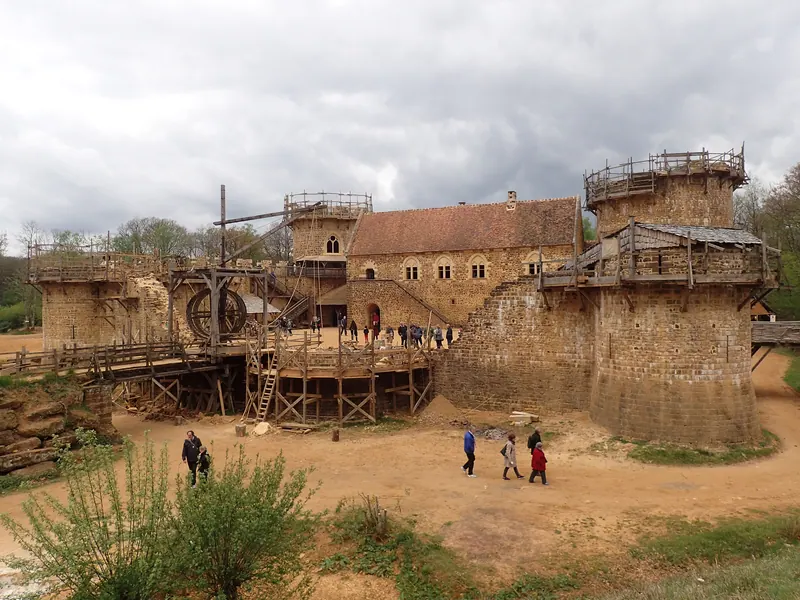
Guédelon is a 13th-century castle being built from scratch in a Burgundy forest quarry using only the tools, materials and techniques of the 1230s, open to visitors from spring to autumn since the first stone was laid in 1997. Around forty masons, carpenters, blacksmiths, tilers, rope-makers and carters work in front of the public, and the site draws roughly 300,000 visitors a season.

On now until
Family
Jousting & Tournaments Living History & Museums

Middelaldercentret (The Medieval Centre), Nykøbing Falster

Nykøbing Falster, Denmark

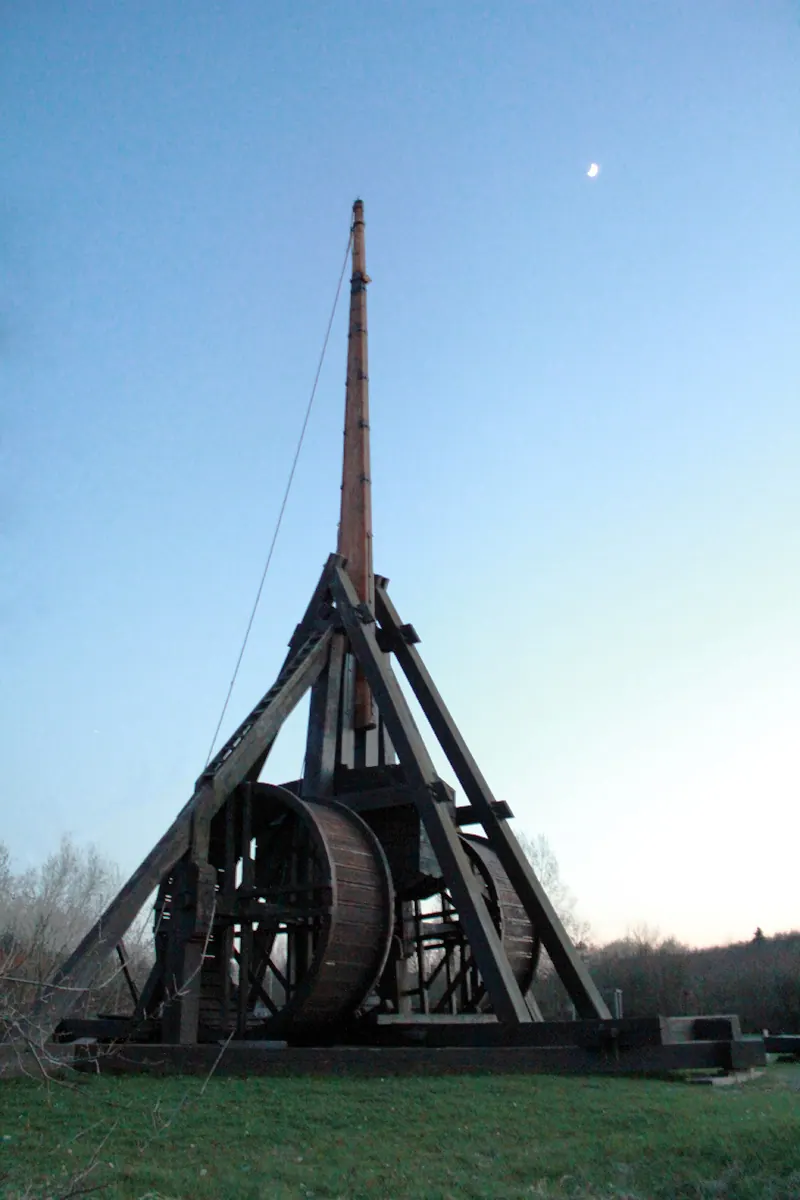
Middelaldercentret is an experimental living-history museum on the Guldborgsund opposite Nykøbing Falster, where a reconstructed Danish market town of around the year 1400, Sundkøbing, is populated by costumed staff who stay in character all day. Its season runs from early May to late September with daily trebuchet firing, jousting and craft demonstrations, plus an autumn-holiday week in October and a Christmas market.

On now until
Family
Medieval Markets & Fairs Jousting & Tournaments +1

Horsens Medieval Festival

Horsens, Denmark

Horsens Middelalderfestival turns FÆNGSLET, the town's former state prison, into a medieval town for two days at the end of August, with knights, craftsmen, musicians, a market and hundreds of costumed participants. Run by the municipality since 1995 and free to enter, it calls itself northern Europe's largest medieval festival and draws around 100,000 visitors.

2026
Free Family