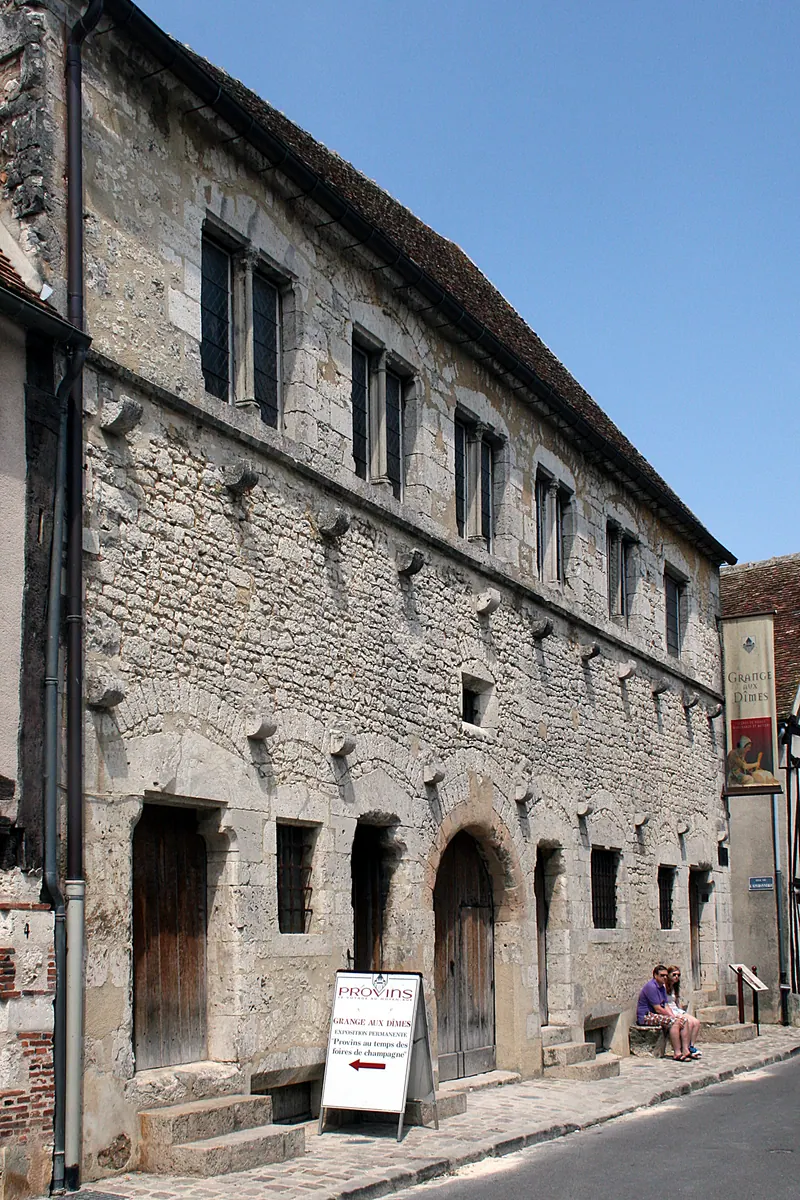
The building is half the reason to come. The Maison Romane has a 12th-century façade of small regular masonry with a diamond-patterned opening, and a 12th-century lower hall — a rare survival of ordinary high-status domestic building from the fair period, when Provins was one of the largest towns in the kingdom of France. It is a listed monument in its own right.
Inside, about ten rooms on four levels take the region from prehistory to the eve of the First World War. The medieval rooms are the ones worth your forty-five minutes:
- A collection of medieval floor tiles — glazed and inlaid paving from the town’s churches and houses, the kind of thing usually seen in fragments in reserve collections and here shown as a series.
- Medieval and Renaissance sculpture, including carved architectural pieces rescued from Provins buildings that no longer exist. If you have walked the upper town wondering what came off the demolished houses, it is in here.
- The treasury of Saint-Quiriace: goldsmiths’ work, a 15th-century Trinitarian icon (under restoration as of 2026) and the chasuble of Saint Edme, a 13th-century silk lampas. A silk vestment in a town that made its money on cloth is exactly the right object in the right place.
- An odd, good series on the local masonic lodge — aprons, medals, diplomas, instruction books. Look at it after the underground galleries, where the freemasons’ graffiti is part of the story.
The collegiate church of Saint-Quiriace, a hundred metres up the street, is closed to the public for major restoration as of August 2026, so this is currently the only way to see anything that belongs to it.
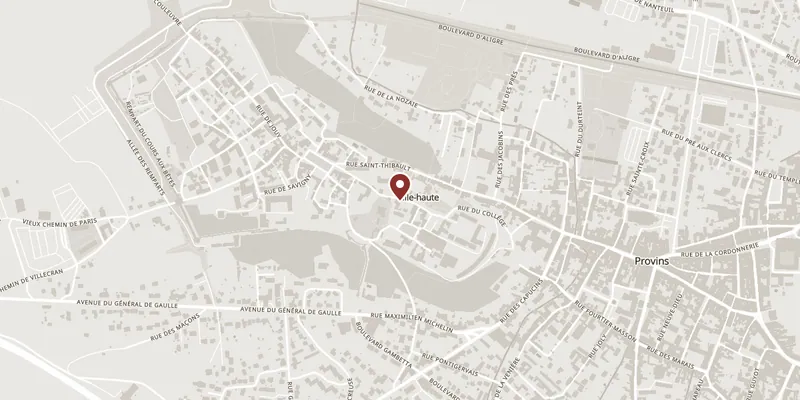
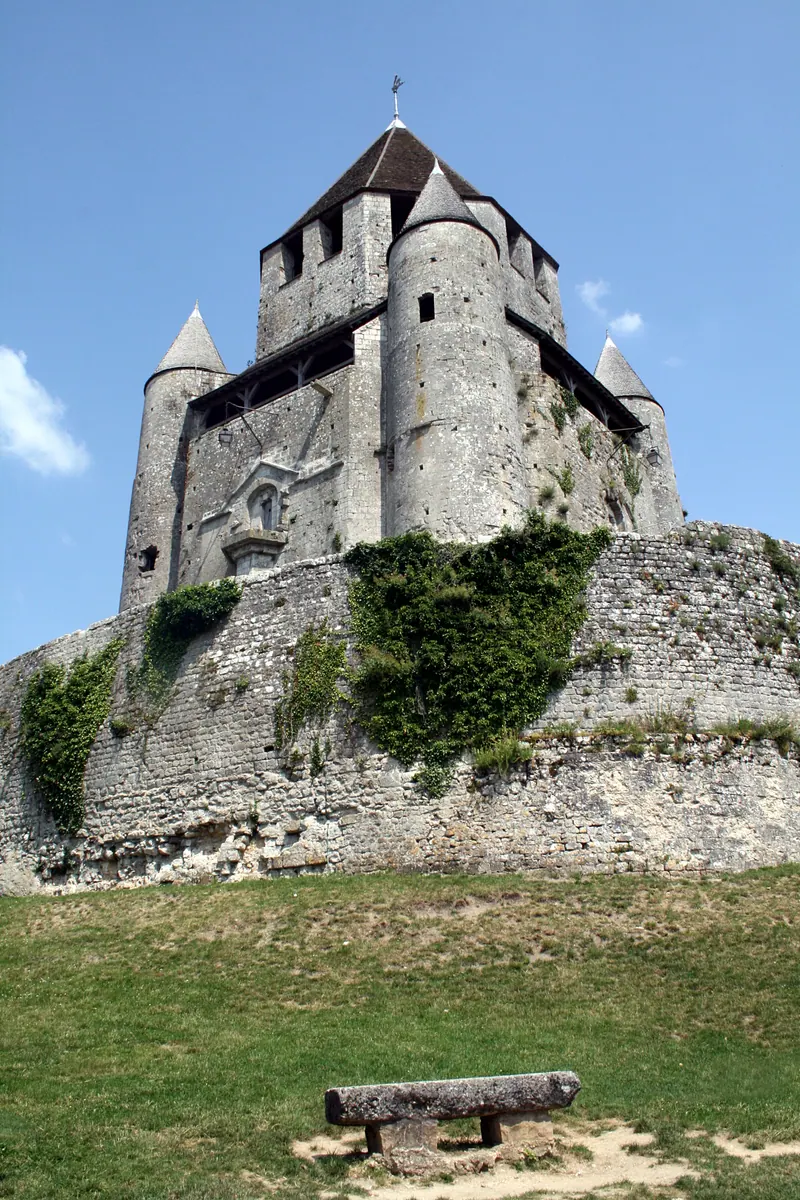
The museum is at 7 rue du Palais, a short walk from Place du Châtel and the Tour César. Allow about 45 minutes. Note the unusual hours: it opens at midday for most of the year and only in the middle of the day in winter.