Medieval Booker

Medieval Markets & Fairs ◆ Lithuania

Days of Live Archaeology in Kernavė

The Days of Live Archaeology at Kernavė are an international experimental-archaeology festival held in early July at Lithuania's UNESCO-listed medieval capital, where five hill-forts rise above the Neris valley. Craftspeople, warriors and musicians demonstrate life from the Stone Age to the Middle Ages, with staged battles, archery, ancient food and hands-on workshops.

When is Days of Live Archaeology in Kernavė 2027?

Next edition
Expected 2027 Days of Live Archaeology in Kernavė 2027 See all editions
How often
Every year
Entry
2026: day tickets about €13–16, three-day passes €25–44 via Bilietai.lt; under-18s free
Family-friendly
Yes — bring the kids
Founded
1999
Official site
www.kernave.lt

Checked · we re-check every festival twice a year.

Past and upcoming editions

Editions of Days of Live Archaeology in Kernavė
EditionDatesStatusCalendar
2027 edition Expected 2027 Google Calendar · .ics

Expected means the organiser hasn't announced yet; we show the usual window.

Past editions (1)
  • 2026 edition (XXVI) — 4–6 July 2026

What happens at Days of Live Archaeology in Kernavė?

Kernavė, 35 km north-west of Vilnius, was a seat of Lithuania’s grand dukes in the 13th and 14th centuries, and its five hill-forts and the town site below them form a UNESCO World Heritage Site. Since 1999 the State Cultural Reserve of Kernavė has hosted the Days of Live Archaeology there; the 26th festival took place on 4–6 July 2026 with the theme ‘Colourful Past’. The dates are chosen to fall around 6 July, Lithuania’s Statehood Day.

The festival is an experimental-archaeology event rather than a pure medieval fair. Craftspeople from Lithuania and abroad reconstruct techniques from prehistory to the Middle Ages: bronze and iron working, pottery, amber and bone carving, weaving, dyeing and ancient cooking, most of which visitors can try. Warrior groups stage battles and weapon demonstrations, there is archery and horse riding, and folk and early-music groups perform on the meadow below the hill-forts. The archaeological site museum is open alongside.

Tickets are sold online through Bilietai.lt; in 2026 single-day tickets ranged from about €13 to €16 and three-day passes from €25 to €44, while visitors under 18 enter free. There are buses from Vilnius bus station to Kernavė, and parking is arranged in fields near the village. The site is open ground with little shade; the hill-fort climbs are steep but worth it for the view over the Neris.
Frequently asked questions

When are the Kernavė Days of Live Archaeology in 2027?

Dates are not yet announced; the festival is held in early July around Statehood Day (6 July). The 2026 edition ran 4–6 July.

What happens at the Kernavė archaeology festival?

Craft demonstrations and workshops from the Stone Age to the Middle Ages, staged battles, archery, horse riding, ancient food and early-music concerts on the meadow below the hill-forts.

How much are tickets for the Kernavė festival?

In 2026 single-day tickets cost about €13–16 and three-day passes €25–44, sold via Bilietai.lt. Visitors under 18 enter free.

Why is Kernavė important?

It was a capital of medieval Lithuania in the 13th–14th centuries; its five hill-forts and buried medieval town are a UNESCO World Heritage Site.

How do I get to Kernavė from Vilnius?

Kernavė is 35 km north-west of Vilnius; buses run from Vilnius bus station, and there is festival parking near the village.

More medieval festivals in Lithuania

Same country, upcoming first.

All festivals in Lithuania
Reenactment & Battles Living History & Museums +1

Trakai Medieval Festival (Viduramžių šventė)

Trakai, Lithuania

The Trakai History Museum's Medieval Festival brings re-enactors, craftsmen, musicians and 14th–15th-century warfare displays into the courtyards of the red-brick Island Castle for a summer weekend. Organised since 1998, it ran on 11–12 July 2026 with a separate €10 festival ticket.

Expected 2027
Family

Other medieval markets and fairs

All medieval markets and fairs
Featured
Living History & Museums Castle Events

Guédelon Castle (living medieval construction site)

Treigny, France

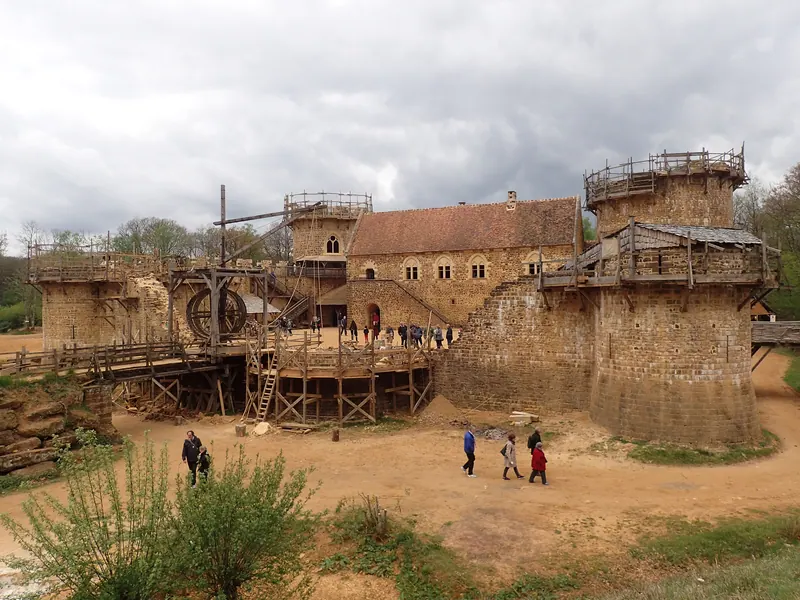
Guédelon is a 13th-century castle being built from scratch in a Burgundy forest quarry using only the tools, materials and techniques of the 1230s, open to visitors from spring to autumn since the first stone was laid in 1997. Around forty masons, carpenters, blacksmiths, tilers, rope-makers and carters work in front of the public, and the site draws roughly 300,000 visitors a season.

On now until
Family
Jousting & Tournaments Living History & Museums

Middelaldercentret (The Medieval Centre), Nykøbing Falster

Nykøbing Falster, Denmark

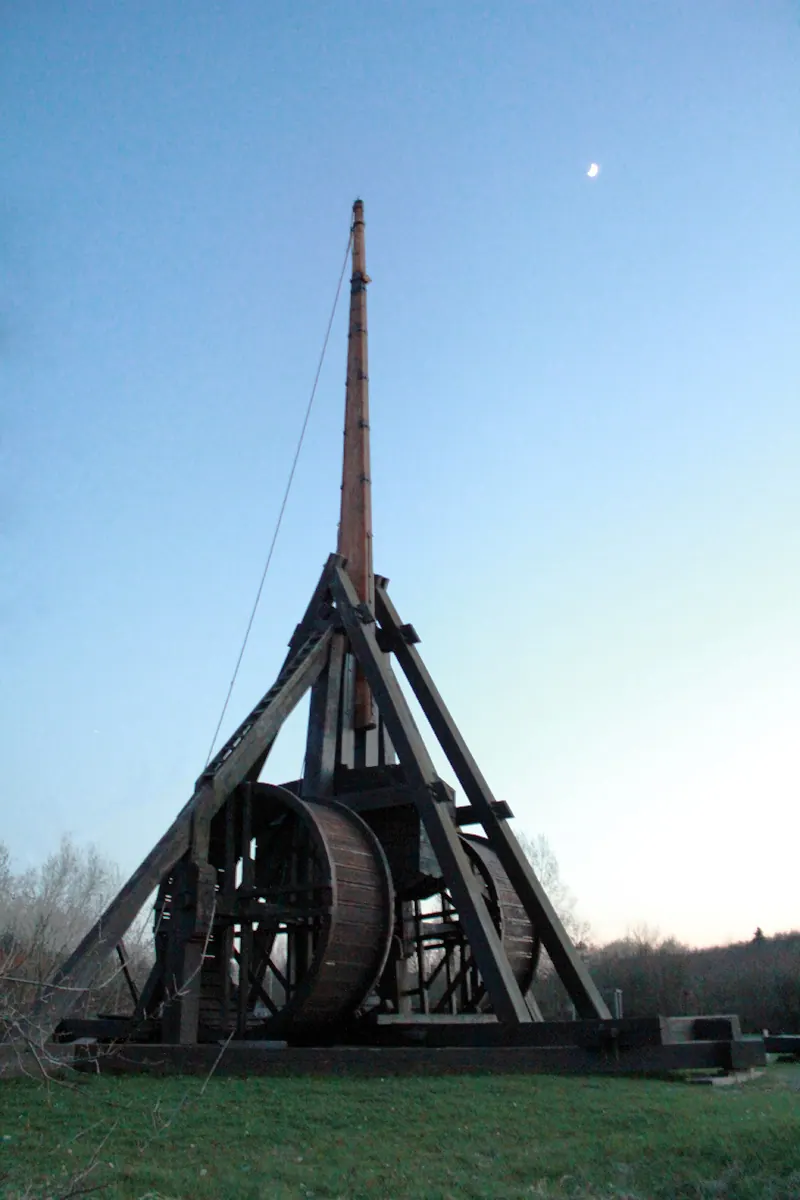
Middelaldercentret is an experimental living-history museum on the Guldborgsund opposite Nykøbing Falster, where a reconstructed Danish market town of around the year 1400, Sundkøbing, is populated by costumed staff who stay in character all day. Its season runs from early May to late September with daily trebuchet firing, jousting and craft demonstrations, plus an autumn-holiday week in October and a Christmas market.

On now until
Family
Medieval Markets & Fairs Jousting & Tournaments +1

Horsens Medieval Festival

Horsens, Denmark

Horsens Middelalderfestival turns FÆNGSLET, the town's former state prison, into a medieval town for two days at the end of August, with knights, craftsmen, musicians, a market and hundreds of costumed participants. Run by the municipality since 1995 and free to enter, it calls itself northern Europe's largest medieval festival and draws around 100,000 visitors.

2026
Free Family