Medieval Booker

Reenactment & Battles ◆ Germany

Peter-und-Paul-Fest

The Peter-und-Paul-Fest is a four-day historical town festival in Bretten, Baden-Württemberg, recalling the siege of the town in 1504. It fills the whole old town from Friday to Monday on the first weekend of July, with about 60 historical groups, a staged battle on the Saturday and a costumed procession on the Sunday.

When is Peter-und-Paul-Fest 2027?

Next edition
– 2027 Peter-und-Paul-Fest 2027 See all editions
Where
Bretten, Germany
Also called
Peter-und-Paul-Fest Bretten · Peter-und-Pauls-Fest · PuP Bretten · Peter and Paul Festival Bretten
How often
Every year
Entry
Ticketed. 2026 cash-desk prices: day ticket €15 (ages 7-17 €10, family €30), all-days ticket €25 (youth €15, family €55), battle supplement €3; children up to 6 free. 2027 leather badge (all four days) €25, sold only at Tourist-Info Bretten from 23 November 2026.
Family-friendly
Yes — bring the kids
Founded
1950
Attendance
~125,000 visitors

Checked · we re-check every festival twice a year.

Past and upcoming editions

Editions of Peter-und-Paul-Fest
EditionDatesStatusCalendar
Peter-und-Paul-Fest 2027 – – 2027 Google Calendar · .ics · Get tickets
Past editions (1)
  • Peter-und-Paul-Fest 2026 — 3–6 July 2026

What happens at Peter-und-Paul-Fest?

The Peter-und-Paul-Fest is a four-day historical town festival in Bretten, in the Kraichgau east of Karlsruhe, held from Friday to Monday on the first weekend of July. It recalls the siege of 1504, when troops of Duke Ulrich of Württemberg besieged the town, then called Brettheim, and the sortie its defenders made on 28 June, the eve of the feast of Saints Peter and Paul. For the four days the whole old town is the festival ground. The organisers, the Vereinigung Alt-Brettheim, count about 60 historical groups, 4,000 participants and 125,000 visitors.

The festival grew out of older shooting contests and a shepherds’ race, the Schäfersprung, recorded since 1634; the 1824 statutes of the town’s citizens’ militia were the first to link the shooting festival to the sortie of 1504. It was revived after the Second World War, and the Vereinigung Alt-Brettheim has organised it since 1950. At the end of 2014 it was entered in Germany’s national register of intangible cultural heritage.

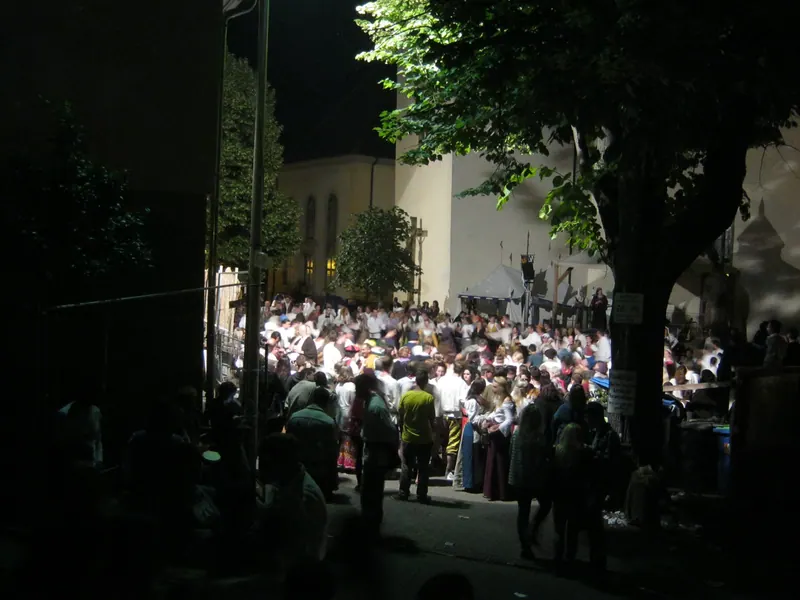
Each day has a theme taken from the siege. Friday, “Brettheim arms itself”, opens with an ecumenical service on the Kirchplatz and the opening by all groups on the Marktplatz, followed by bands, jugglers, sword fighting and demonstrations of medieval trades in the lanes until about 11pm. Saturday, “Brettheim defends itself”, brings the battle for the town, staged in the Simmelturm arena by the old walls; the programme also includes a Grand Tattoo (Großer Zapfenstreich) and fireworks. Sunday is the day of homage to the Electoral Prince (Kurprinz) and of the victory celebration, with the costumed procession in the afternoon: in 2026 it set off at 2:30pm from Weißhofer Straße and ran through the Marktplatz to Am Gottesackertor, with 66 entries in five sections, from the citizens’ militias and “Brettheim around 1504” to the rural population and the town’s trades. Monday, “Brettheim celebrates”, closes the festival.

Entry to the old town during the festival is through ticketed entrances. In 2026 a day ticket at the cash desk cost €15 (€10 for ages 7 to 17, €30 for a family with up to four children), a ticket for all four days cost €25 (€15 youth, €55 family), and the battle was a €3 supplement; children up to 6 go free. The alternative is the leather badge (Lederplakette), valid on all four days: the 2027 badges, in two designs, cost €25 and are sold only at the Tourist-Info Bretten, from 23 November 2026. Cash desks open 30 minutes before the festival starts and close at 11pm, or 10pm on Sunday.

Parking in the centre is scarce, and the organisers advise public transport: the S4 Stadtbahn and the RB71 run special timetables, with extra Deutsche Bahn trains. Bretten Stadtmitte stop is about 100 metres from the Luisenstraße entrance and Bretten station about 750 metres from the Gottesacker Tor entrance, and there is limited parking at Stadtbahn stops outside the town. Children have their own programme on Saturday afternoon at the Simmelturm arena and the Kirchplatz, and on Monday afternoon, when the games “From squire to knight” are held; a fairground runs alongside the festival.
Frequently asked questions

When is the Peter-und-Paul-Fest 2027?

From Friday 2 to Monday 5 July 2027, as announced on the official site. The festival is held every year on the first weekend of July, after the feast of Saints Peter and Paul on 29 June.

How much are tickets?

In 2026 a day ticket at the cash desk cost €15 (€10 for ages 7 to 17, €30 for a family) and a four-day ticket €25; the battle was €3 extra and children up to 6 went free. The 2027 leather badge, valid on all four days, costs €25 at the Tourist-Info Bretten from 23 November 2026.

When are the battle and the procession?

The battle for the town is staged on the Saturday in the Simmelturm arena, for a small supplement (€3 in 2026). The costumed procession is on Sunday afternoon; in 2026 it started at 2:30pm and ended at Am Gottesackertor.

What does the festival commemorate?

The siege of Bretten in 1504 by troops of Duke Ulrich of Württemberg and the sortie by the town's defenders on 28 June 1504, the eve of the feast of Saints Peter and Paul. The festival in its present form has been organised by the Vereinigung Alt-Brettheim since 1950.

Is it suitable for children?

Yes. Children up to 6 enter free and family tickets cover up to four children aged 7 to 17. There is a children's programme on Saturday and Monday afternoons, and a fairground.

How do I get there?

By train if you can: the S4 Stadtbahn and the RB71 run special timetables during the festival. Bretten Stadtmitte stop is about 100 metres from the Luisenstraße entrance; parking in the centre is scarce.

More medieval festivals in Germany

Same country, upcoming first.

All festivals in Germany
  • Medieval Markets & Fairs Medieval Christmas

    Munich Medieval Christmas Market at Wittelsbacherplatz

    Munich, Germany

    The Mittelalterlicher Weihnachtsmarkt am Wittelsbacherplatz, billed by the city as the Münchner Adventsspektakel, has filled the square north of Odeonsplatz with costumed traders, historical crafts, medieval music and staged sword fights every Advent since 2005. The 2026 market runs 20 November – 23 December, daily 11:00–21:00, closed on Totensonntag (22 November); entry is free.

    On now until
    Free Family
  • Medieval Markets & Fairs Medieval Christmas

    Siegburg Medieval Christmas Market

    Siegburg, Germany

    The Mittelalterlicher Markt zu Siegburg turns the market square below the Michaelsberg abbey into a medieval town market for the whole of Advent, with costumed traders, working craftspeople, jesters and musicians and a night watchman's call every evening; the 2026 market runs 20 November – 22 December. Held since 1991, it is free to enter, and the organiser has already published the 2027 dates, 19 November – 22 December.

    On now until
    Free Family
  • Medieval Markets & Fairs Medieval Christmas

    Lübeck Historical Christmas Market on the Marienkirchhof

    Lübeck, Germany

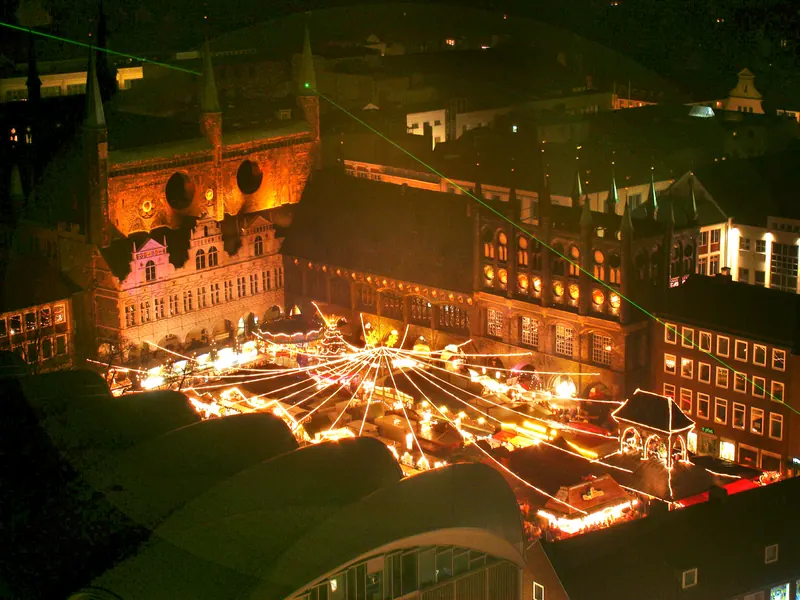
    The Historischer Weihnachtsmarkt on the Marienkirchhof, the churchyard between St Mary's and the Rathaus in Lübeck's UNESCO-listed old town, is the medieval-styled one of the Hanseatic city's eleven Christmas markets: craftspeople showing forgotten trades, coppersmiths, silversmiths and pewter casters, walk-acts and musicians in historical dress under candles and a canopy of red paper stars. The 2026 market runs 23 November – 23 December and is free to enter.

    On now until
    Free Family

Other medieval reenactments and battles

All medieval reenactments and battles
  • Jousting & Tournaments Living History & Museums

    Middelaldercentret (The Medieval Centre), Nykøbing Falster

    Nykøbing Falster, Denmark

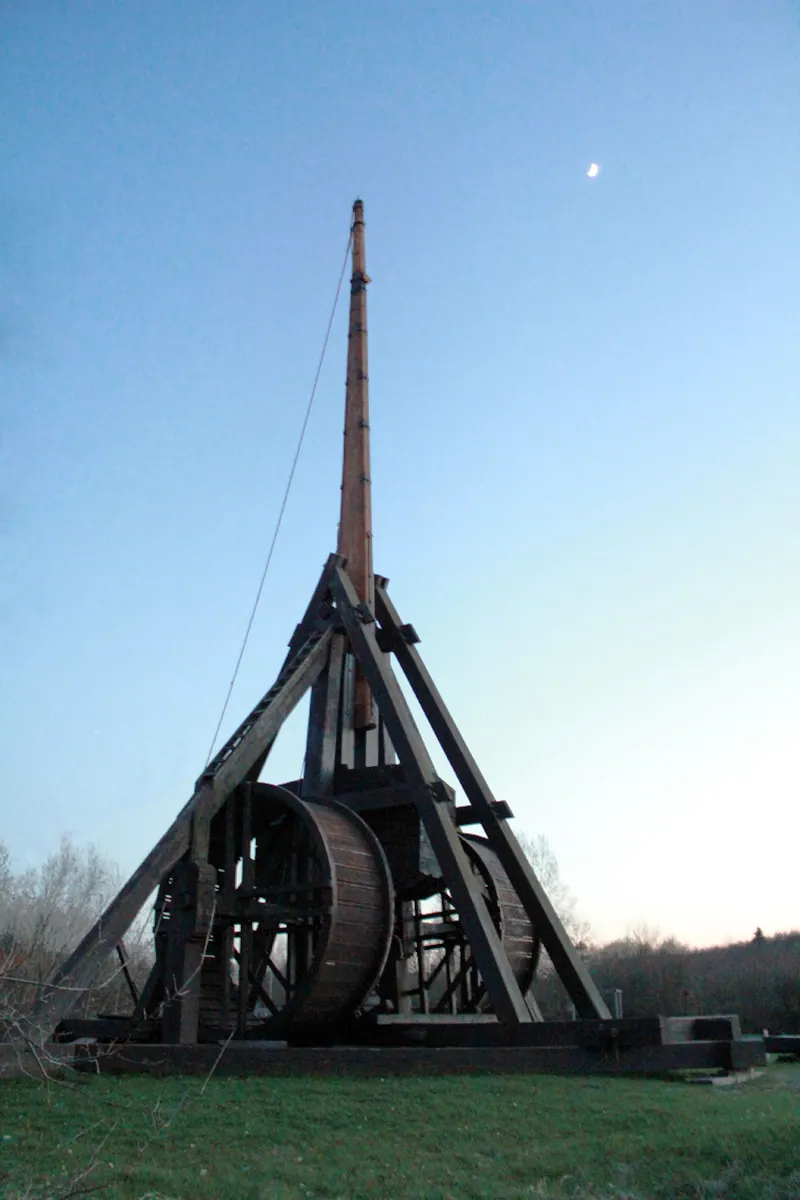
    Middelaldercentret is an experimental living-history museum on the Guldborgsund opposite Nykøbing Falster, where a reconstructed Danish market town of around the year 1400, Sundkøbing, is populated by costumed staff who stay in character all day. Its season runs from early May to late September with daily trebuchet firing, jousting and craft demonstrations, plus an autumn-holiday week in October and a Christmas market.

    – 2026
    Family
  • Medieval Markets & Fairs Living History & Museums +1

    Midwinter Fair Archeon

    Alphen aan den Rijn, Netherlands

    The Midwinter Fair fills Archeon, the open-air archaeological museum park in Alphen aan den Rijn, with a two-day winter fantasy market, folk and pagan bands and fire-lit winter rituals on a December weekend. The backbone is the park's reconstructed medieval town and Roman quarter and the craft stalls; the fantasy is in the costumes, the folklore acts and the Yule theme of celebrating the return of the light.

    – 2026
    Family
  • Viking & Norse Historic City Celebrations

    Scalloway Fire Festival

    Scalloway, Scotland

    Scalloway's Viking fire festival opens Shetland's fire-festival season on the second Friday of January: a Guizer Jarl and a squad of men, women and children in Norse dress lead the torchlit procession through the village to the boating club slipway at Port Arthur, where the galley is set alight and cast adrift on the sea before a fireworks display and a night of hall performances. The next edition is Friday 8 January 2027.

    2027
    Family